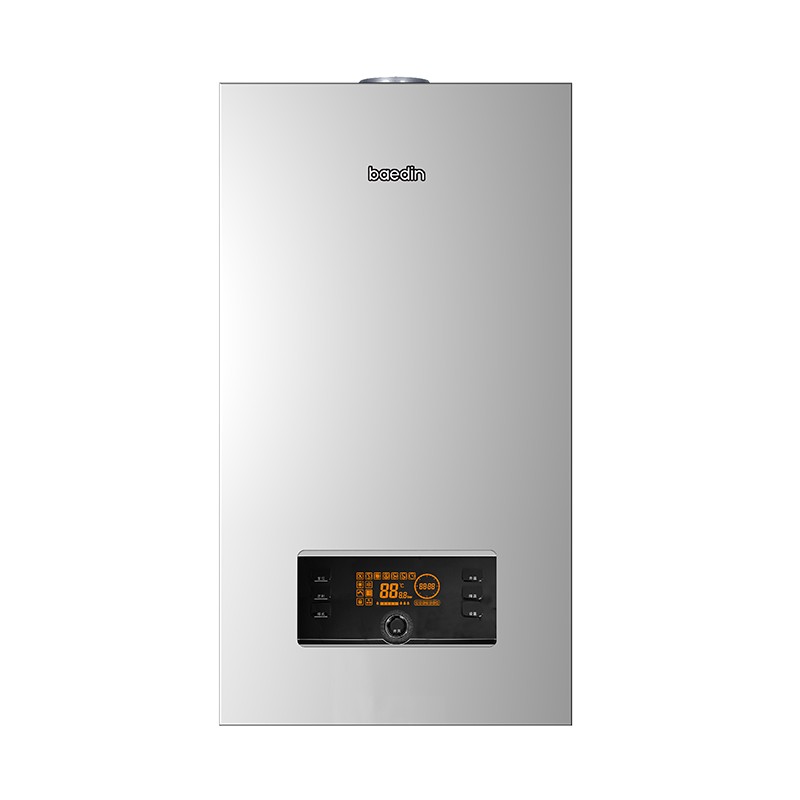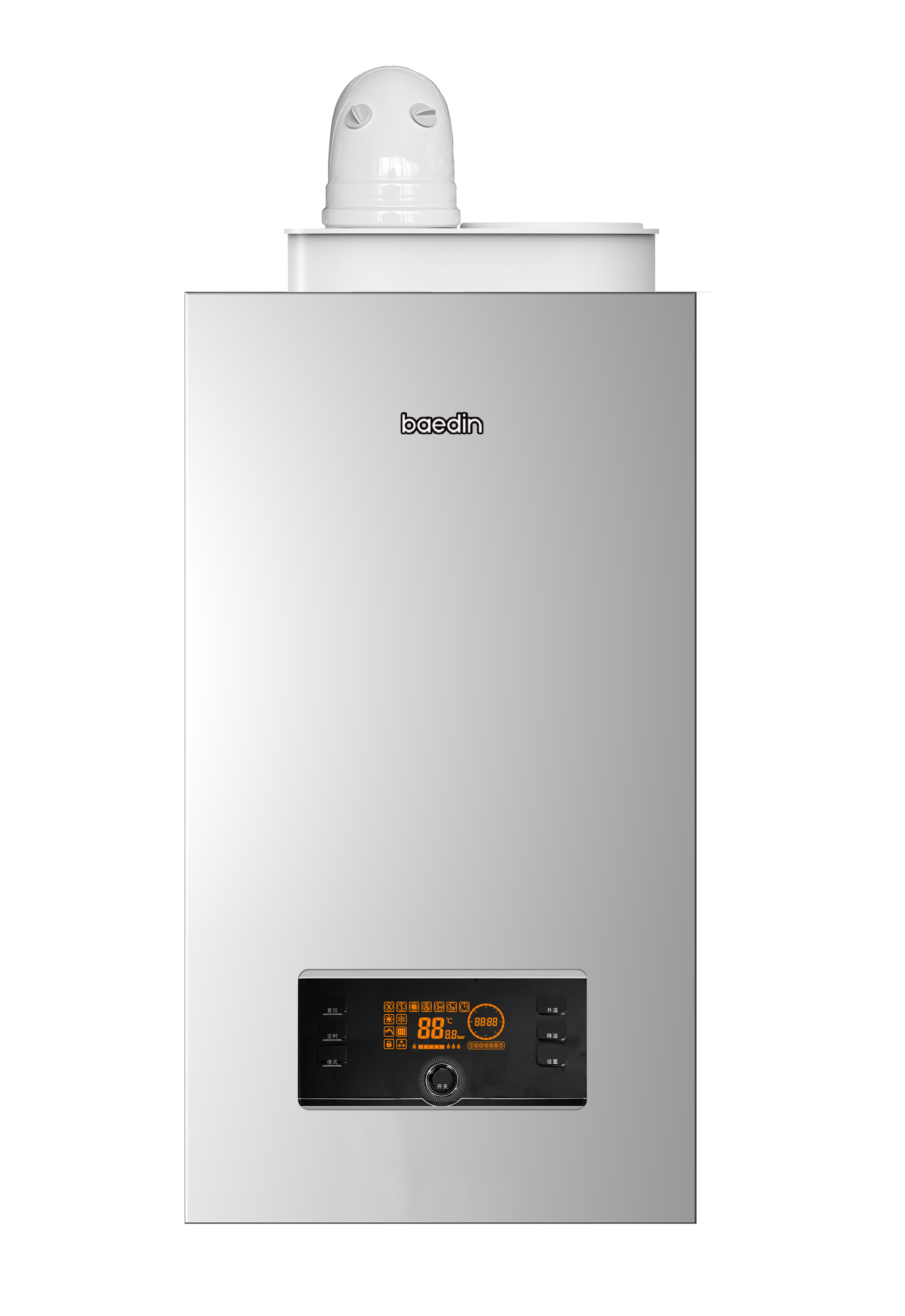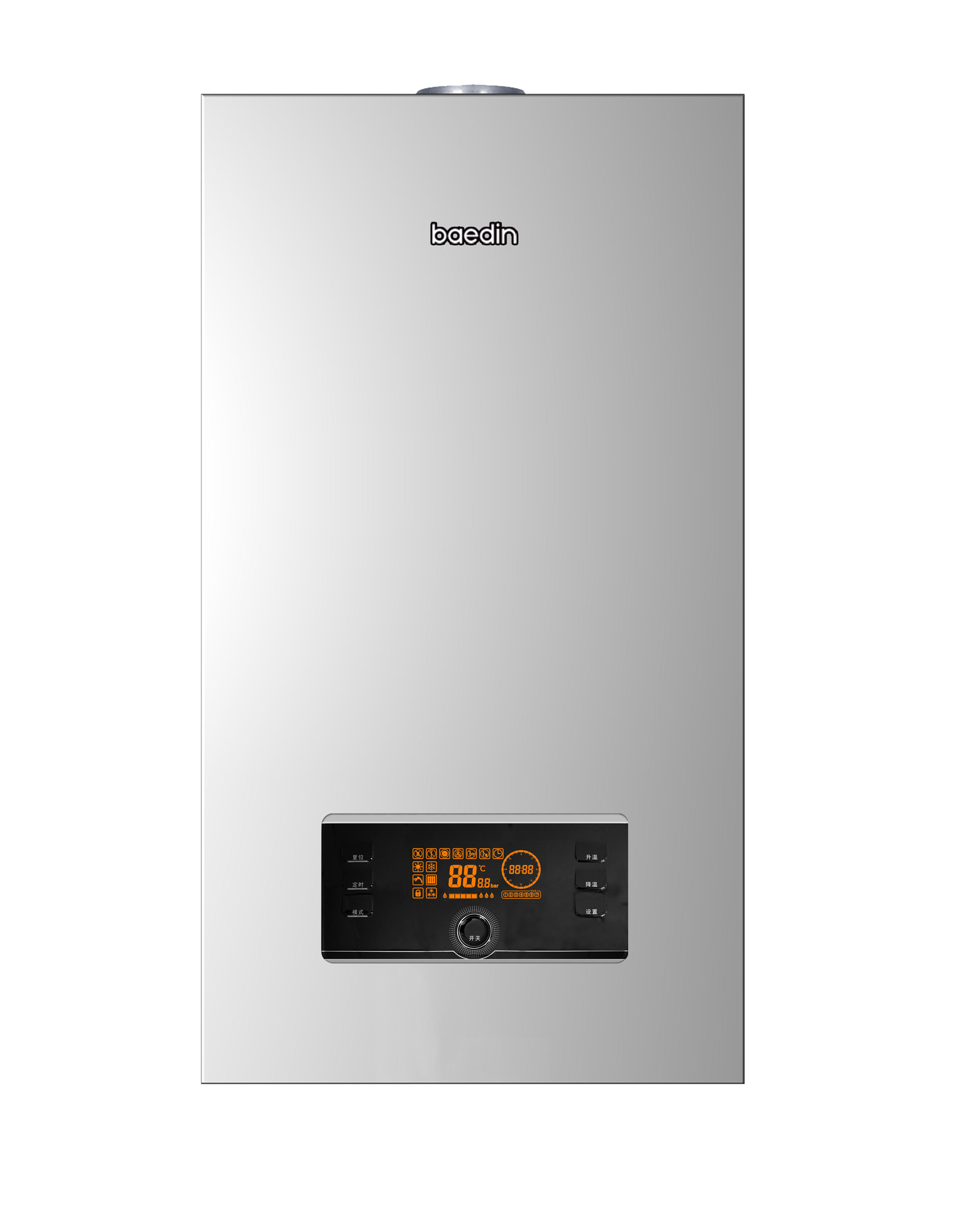
Wholesale Gas Water Heaters with High Output Capacity
Understanding the Core Mechanics of a Gas Water Heater
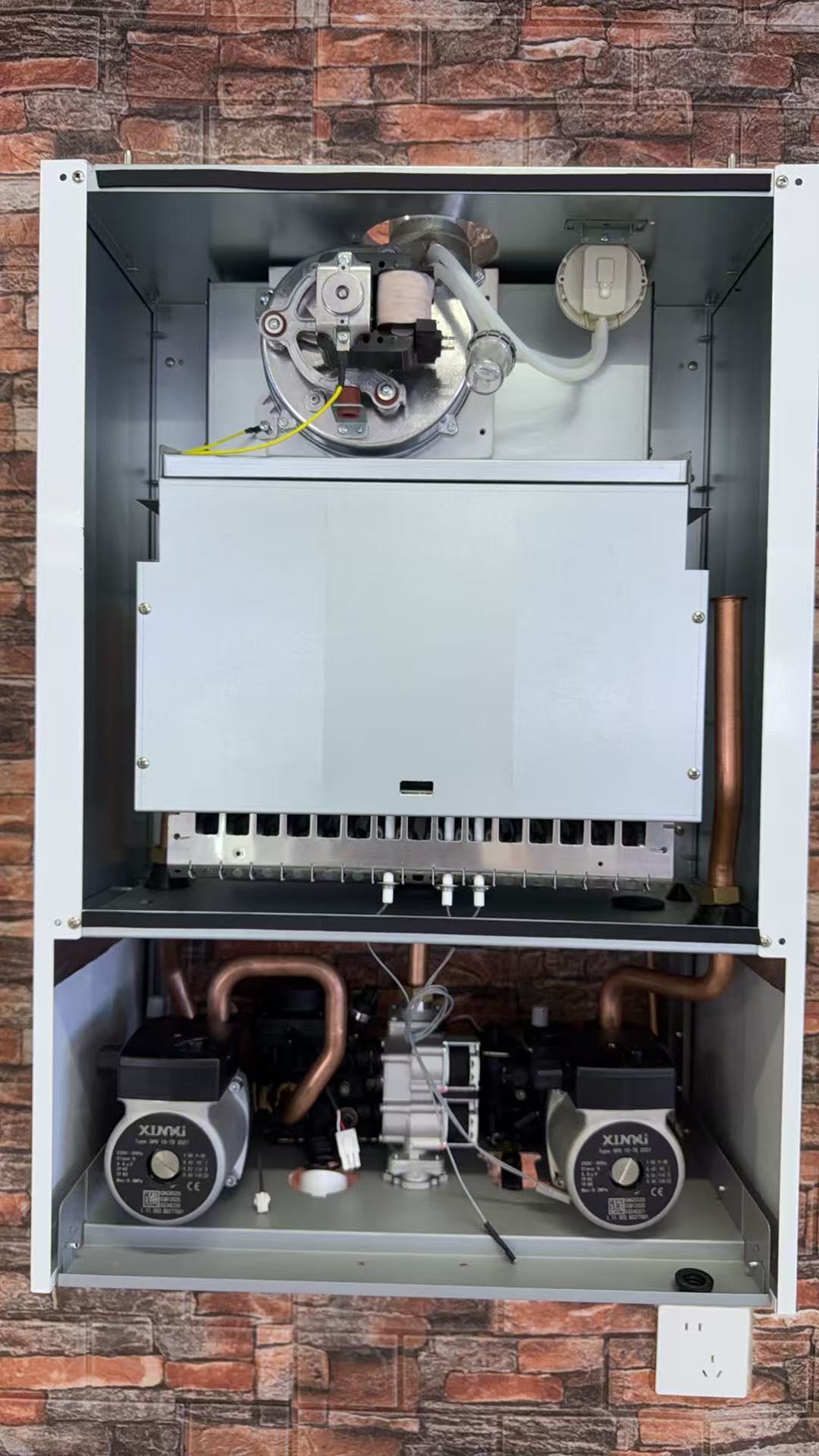
A gas water heater is an appliance that uses natural gas or propane to heat water for domestic use. It operates by burning fuel in a sealed combustion chamber, transferring heat through a heat exchanger to the water, which is then stored in a tank or delivered directly to the tap in tankless models. The efficiency of this process depends on factors like insulation, burner design, and venting configuration. Modern units often feature electronic ignition, eliminating the constant pilot light, and incorporate condensing technology to extract more heat from exhaust gases. Understanding these mechanics helps homeowners choose the right capacity and efficiency level for their household needs.
Adapting to Different Climate Zones
The performance of a gas water heater is affected by the incoming cold water temperature. In northern states where groundwater can be as low as 40°F, a tankless unit must work much harder to raise water to 120°F, which reduces its capacity in GPM. A Baedin Enduro 199 rated at 9.5 GPM for a 45°F rise might only deliver 5.8 GPM with a 70°F rise. In such climates, a storage model or a high-BTU condensing tanklike the EcoHybrid compensates well. Conversely, in warmer regions with 70°F groundwater, a modest tankless unit easily supplies multiple showers. Baedin’s selection guide accounts for regional ground temperature maps to prevent undersizing.
Optimizing Performance with Proper Gas Pressure
Gas water heater burners are calibrated for a specific manifold pressure, usually 3.5 inches of water column for natural gas. If incoming pressure is too low due to an undersized meter or long pipe run, the unit will not achieve rated output and may soot. Conversely, excessive pressure can damage the gas valve. Baedin units come with a pressure test port and clear instructions for adjustment. During installation, the technician must confirm static and dynamic pressures meet the nameplate spec. For homes with multiple gas appliances, a dedicated gas line from the meter may be needed for tankless models. Ignoring this can lead to intermittent shutdowns and error codes like “gas supply insufficient.”
Emission Standards and Environmental Impact
As environmental regulations tighten, low-NOx gas water heaters have become the norm. Baedin’s latest burners achieve NOx emissions below 14 ng/J, meeting SCAQMD Rule 1146.2 and similar standards. This is achieved through premix combustion technology that precisely controls the air-fuel ratio. By reducing nitrogen oxide emissions, Baedin not only complies with green building codes but also contributes to better local air quality. Additionally, the lower energy consumption of high-UEF models directly reduces carbon dioxide emissions. A typical household switching from an old 0.58 UEF tank to a Baedin 0.93 UEF tankless can cut CO2 emissions by over 1,200 pounds per year, based on EPA emission factors.

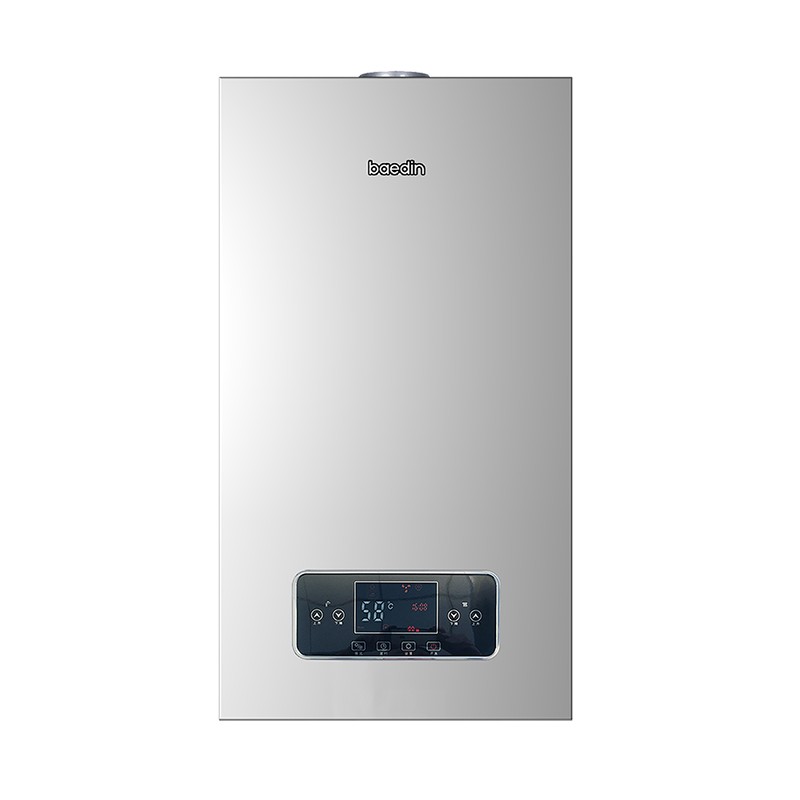
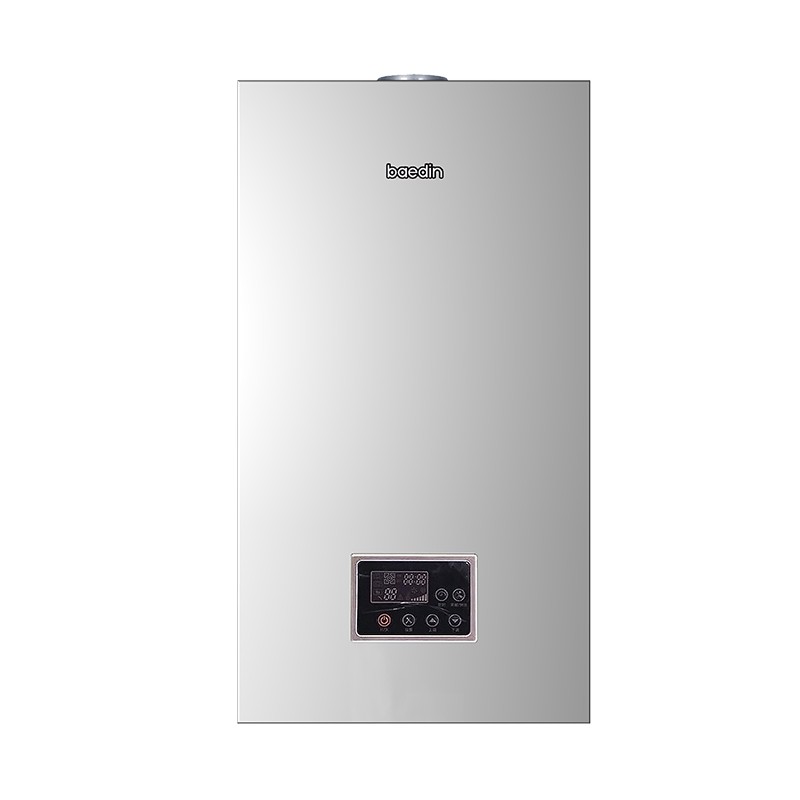
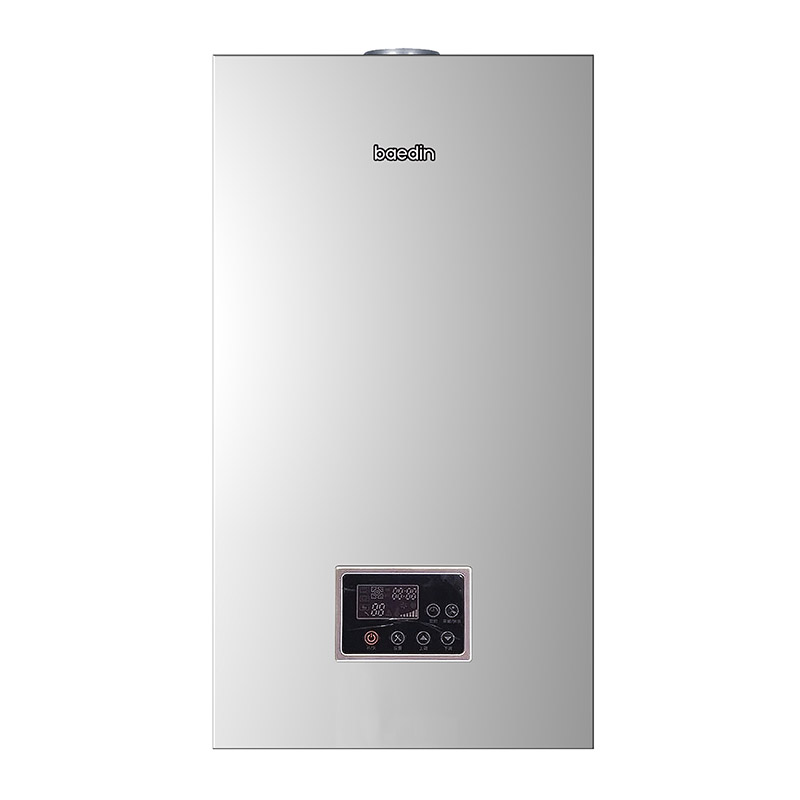
As a reliable Gas Water Heater manufacturer and supplier in China, we have custom options and volume discount pricing. Please just send us a quotation!