News
We’re committed to sharing work results, company updates, key developments, and staffing announcements with you.
 03 2026-09
 How Does a Fully Premixed Condensing Gas Boiler Achieve Over 100% Thermal Efficiency?
As global heating standards tighten, Baedin advances Fully Premixed Condensing Gas Boiler technology, delivering higher efficiency, lower emissions, and reliable heating solutions for global markets.
 08 2026-10
 What are the advantages and disadvantages of heating with a gas wall-hung boiler?
Gas wall-hung boilers deliver flexible, independent household heating. Users can freely adjust heating time and individual room temperatures, while the unit also supplies domestic hot water, saving extra equipment costs and indoor space. Featuring high safety, accurate gas consumption control and flexible installation, the boiler supports intelligent and energy-saving operation with thermostats and timers, greatly improving living comfort. However, it also has minor drawbacks. It needs regular maintenance and low-temperature winter operation to prevent pipe freezing, causing long-term upkeep costs. Small models have lower combustion efficiency, resulting in higher heating fees for all-day use. Besides, it produces slight operating noise, and gas combustion generates carbon dioxide, bringing limited environmental impact, especially in high-rise residences.
 07 2026-10
 Dutch Multi-Fuel Boiler Prototype Opens New Options for the Global Heating Industry
A Dutch consortium unveiled a multi-fuel boiler prototype that runs on natural gas, hydrogen or any blend, so boiler replacement no longer has to wait on network conversion. It is a proof of concept.
 29 2026-09
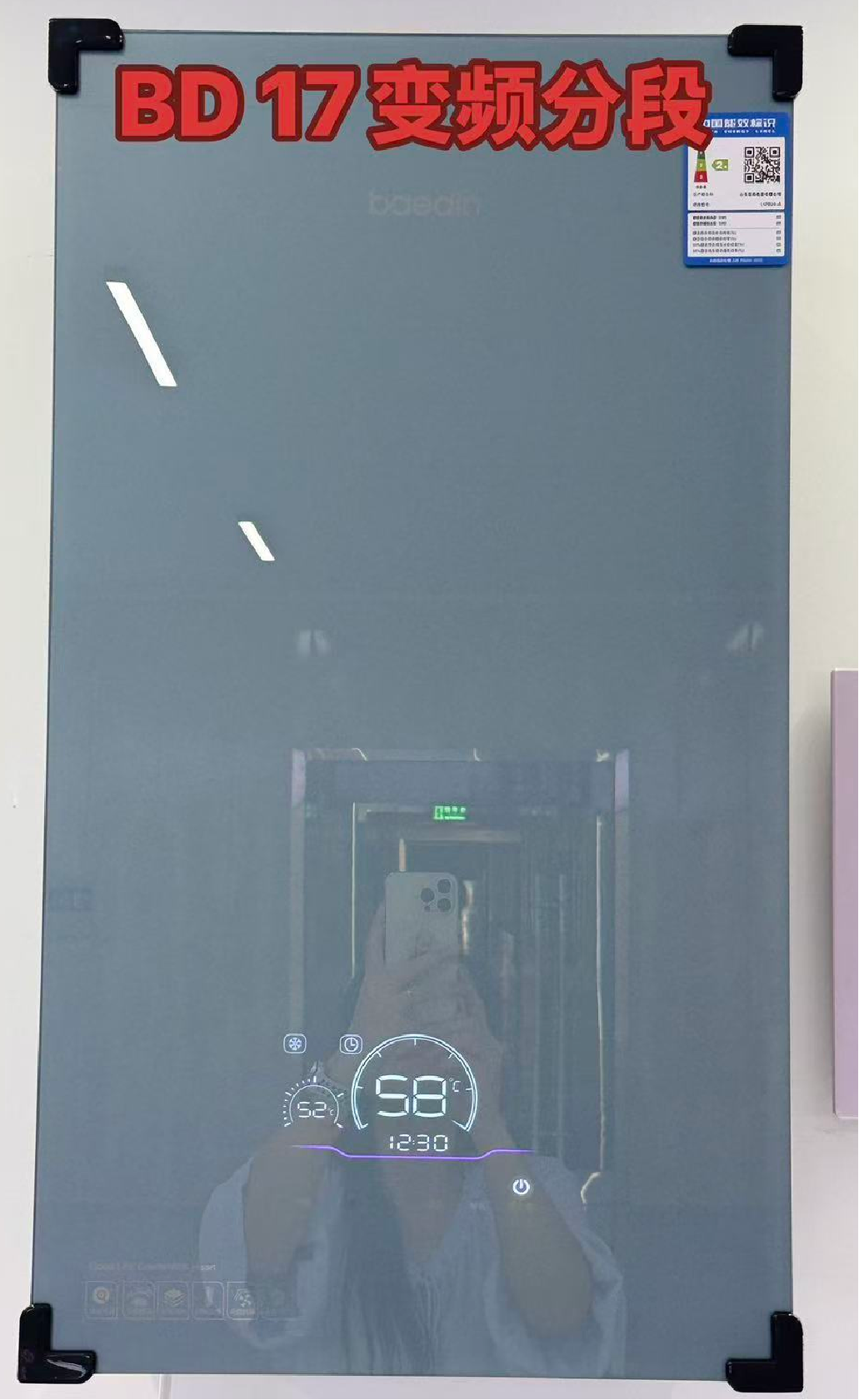
 Variable Frequency Stage Combustion Gas Boiler: Advanced Energy-Saving Heating Technology
Discover our variable frequency stage combustion gas boiler. Intelligent fan & segmented combustion auto-adjust power to match heat demand, cutting gas usage and eliminating frequent on/off cycles. Enjoy consistent hot water without temperature swings. Multiple safety protections extend service life. Bulk supply & OEM service available for global heating dealers.
 23 2026-09
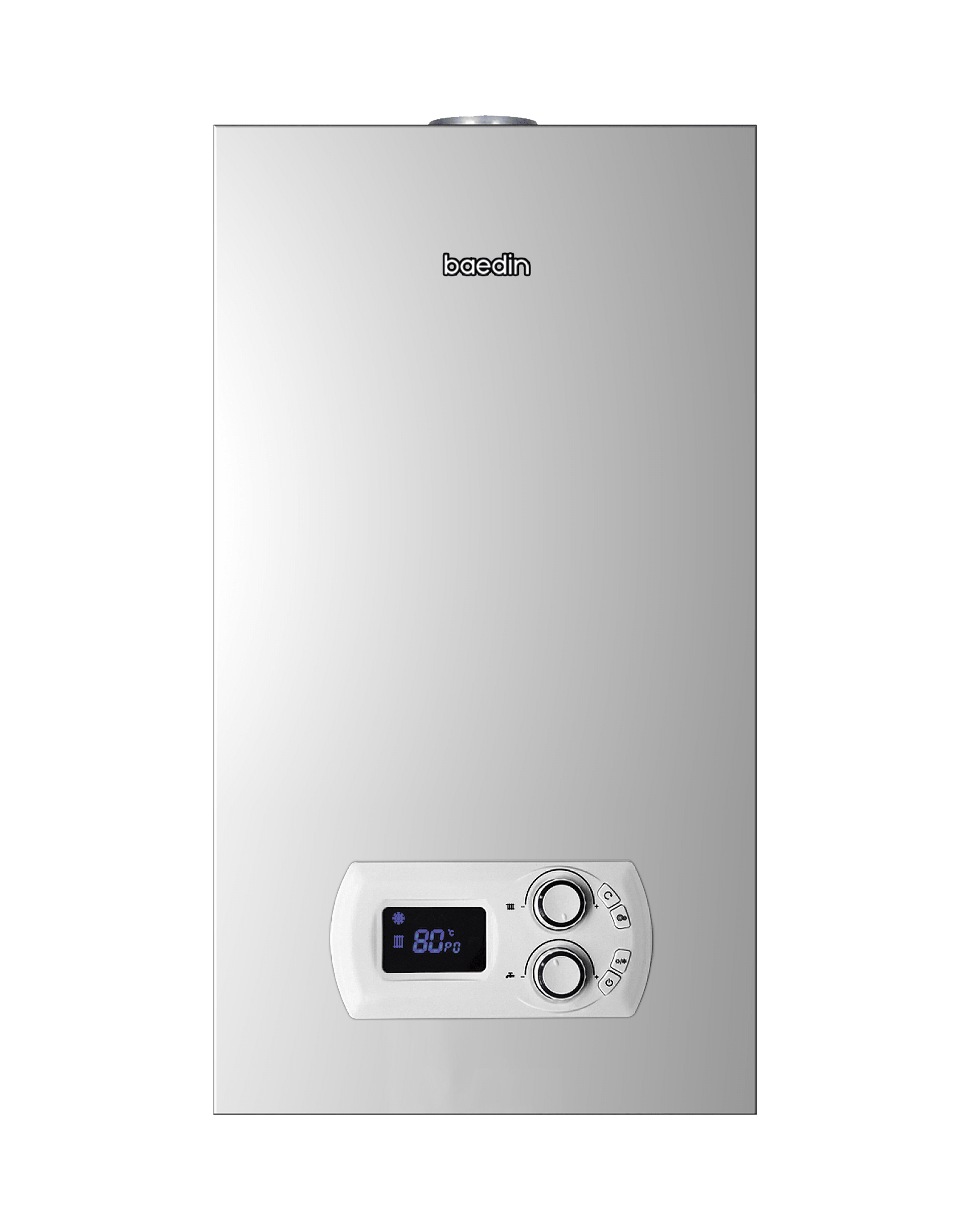
 A+++ High-Efficiency Gas Combi Boiler
Standard wall-hung boilers calculate efficiency based solely on the heat value of dry flue gas, thereby wasting the latent heat of condensation from water vapor. This product utilizes a condensing heat calculation method; its fully premixed condensing structure captures the latent heat released when water vapor in the flue gas liquefies. By recovering and reusing this heat, the unit's overall thermal efficiency easily surpasses the 100% threshold. System return water temperature is the key factor determining condensing efficiency; we recommend using an outdoor temperature sensor for automated control to maintain low return water temperatures. When the return water temperature drops below the 50°C dew point threshold, the unit maximizes its condensing recovery performance, ensuring sustained, high-efficiency operation without performance degradation.