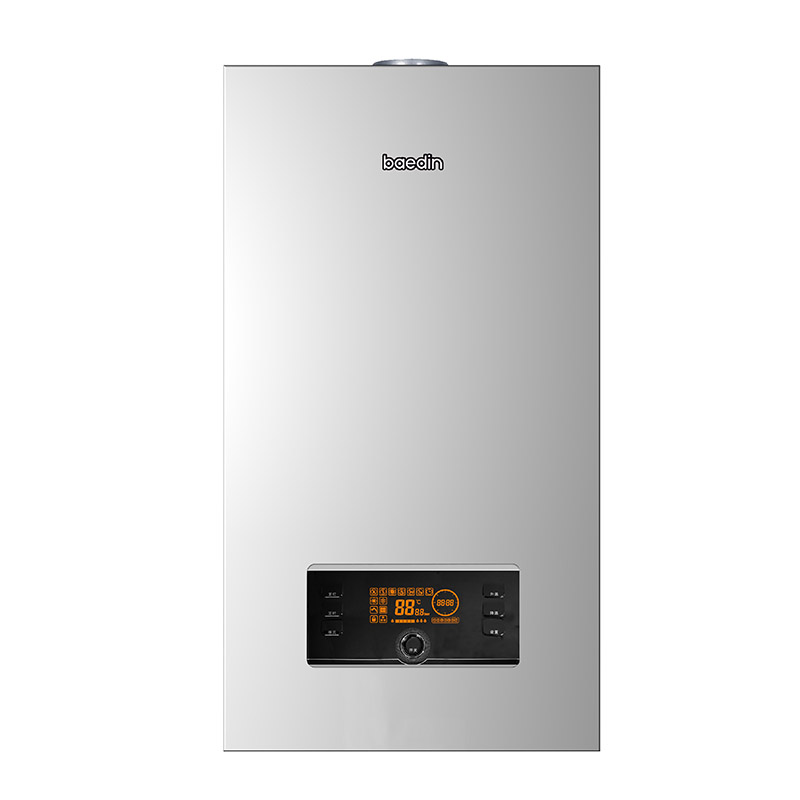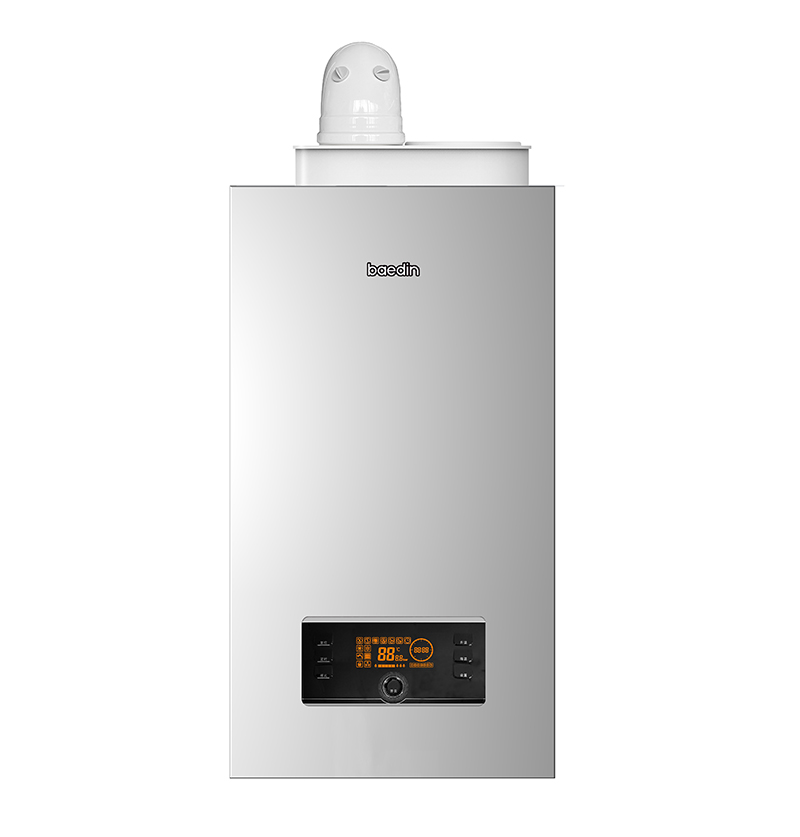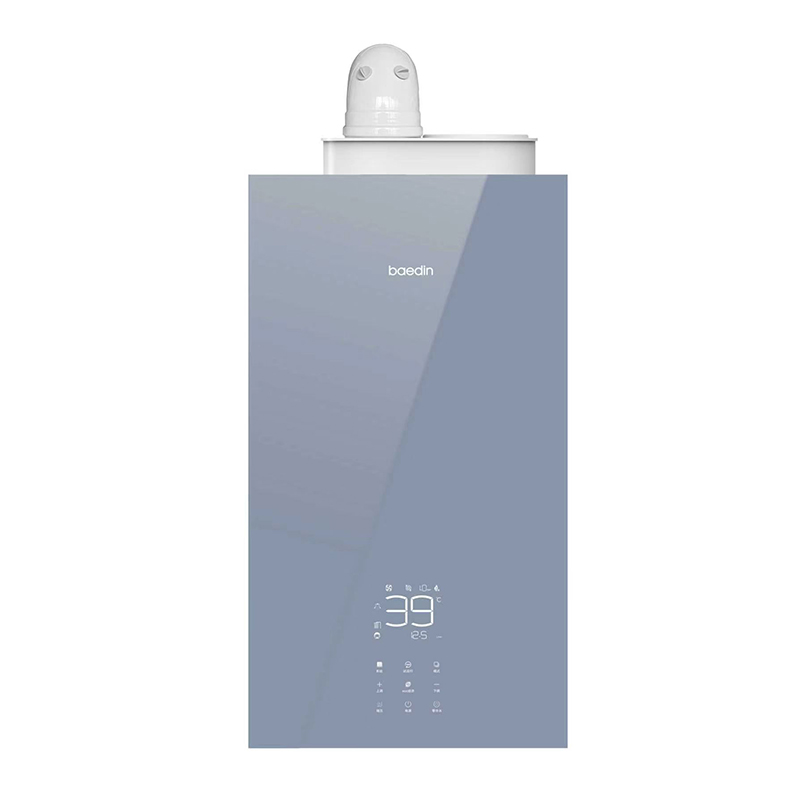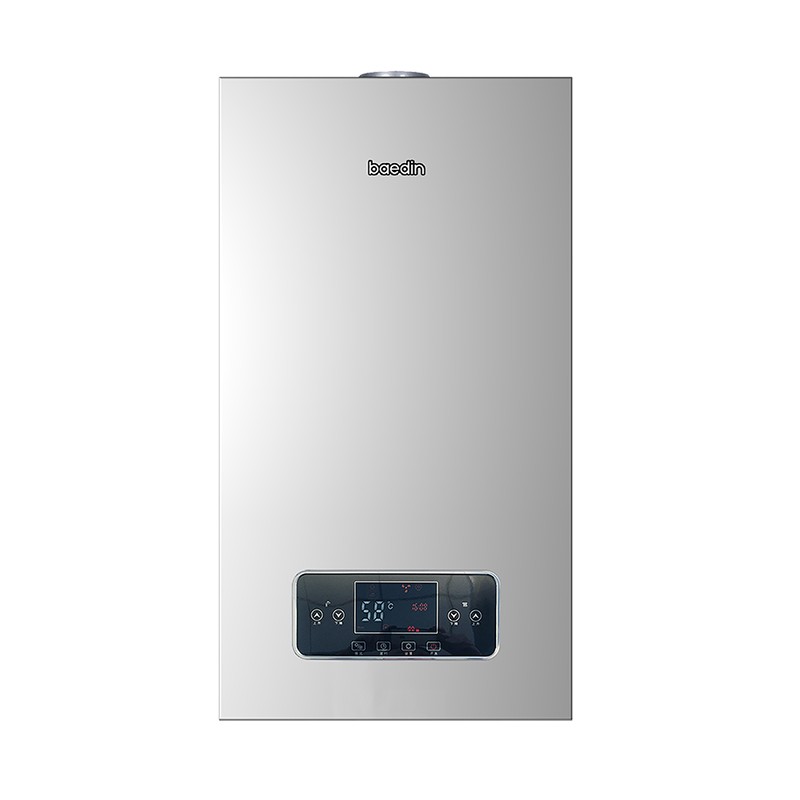
How Does a DC Inverter Wall hung Boiler Improve Modern Home Heating?
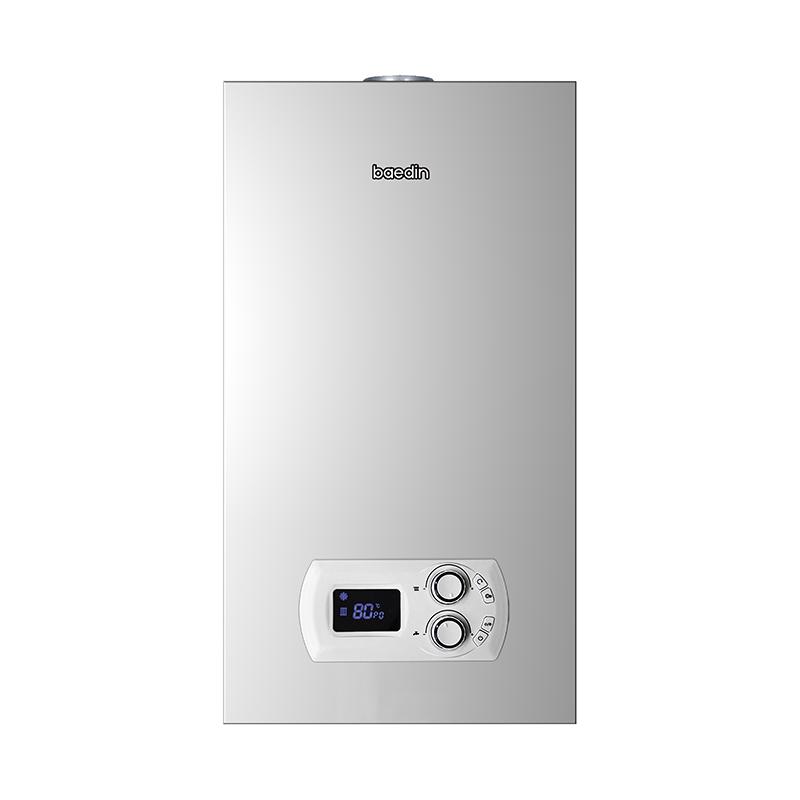
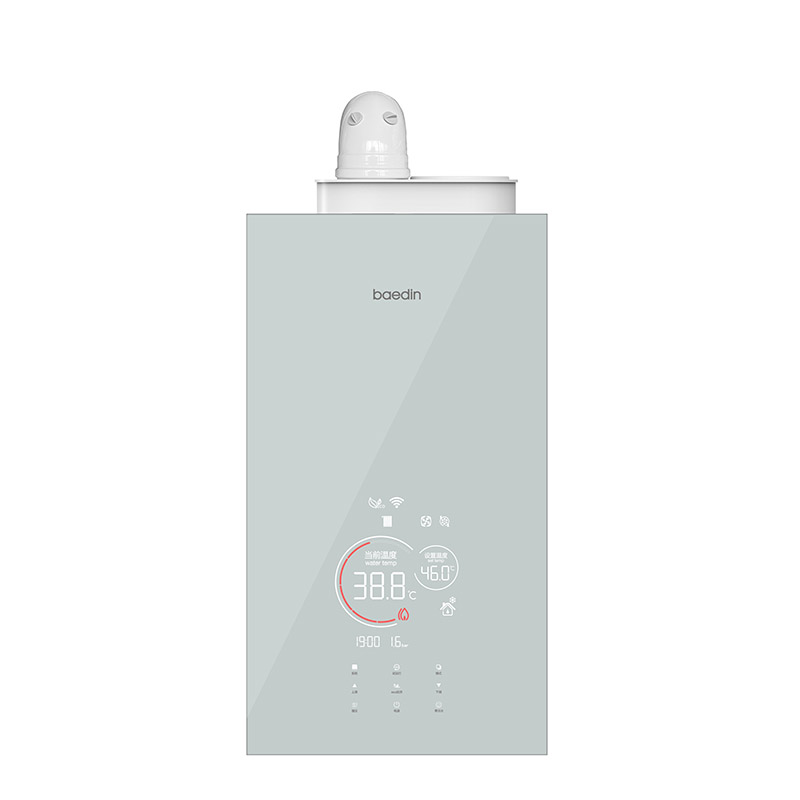
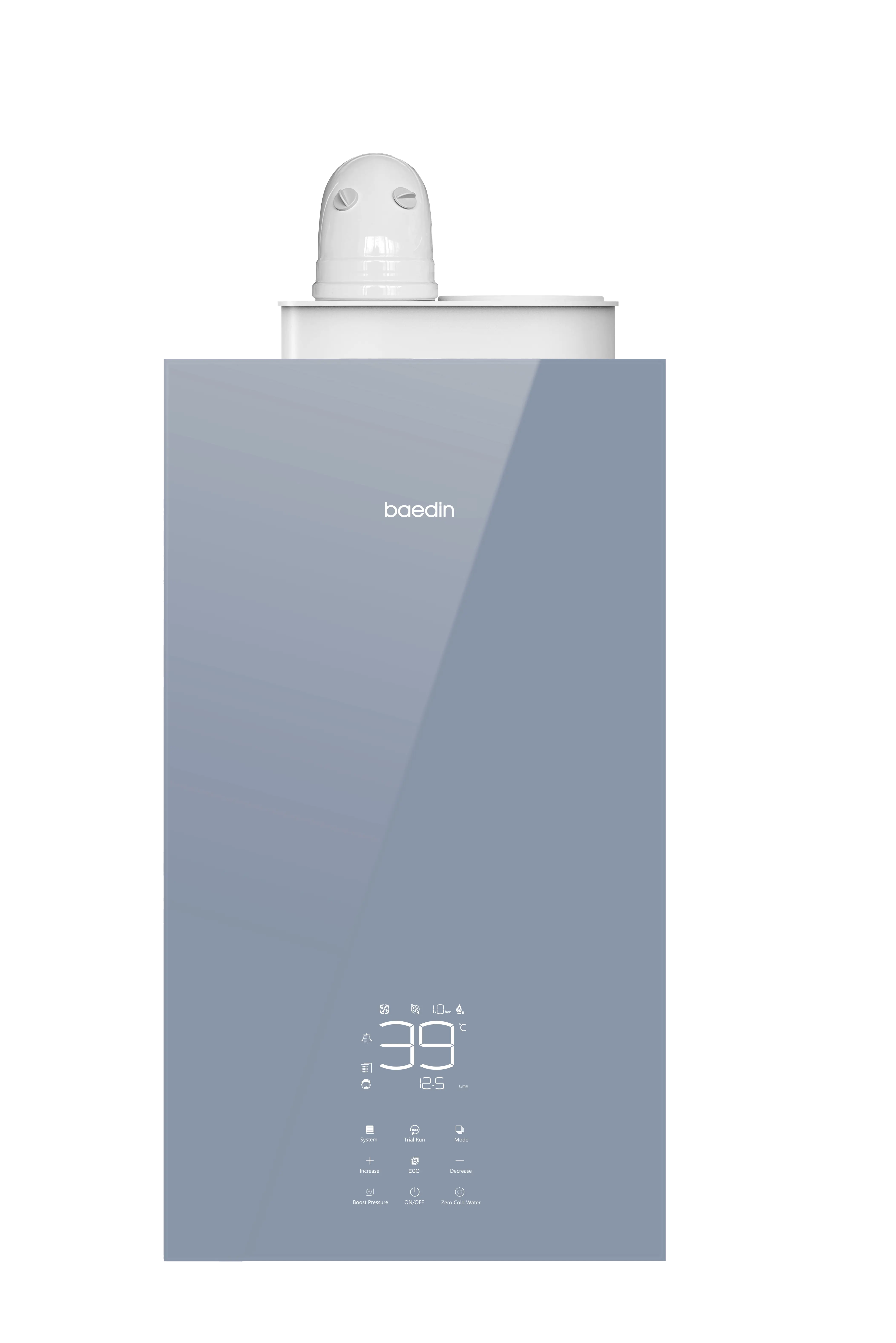
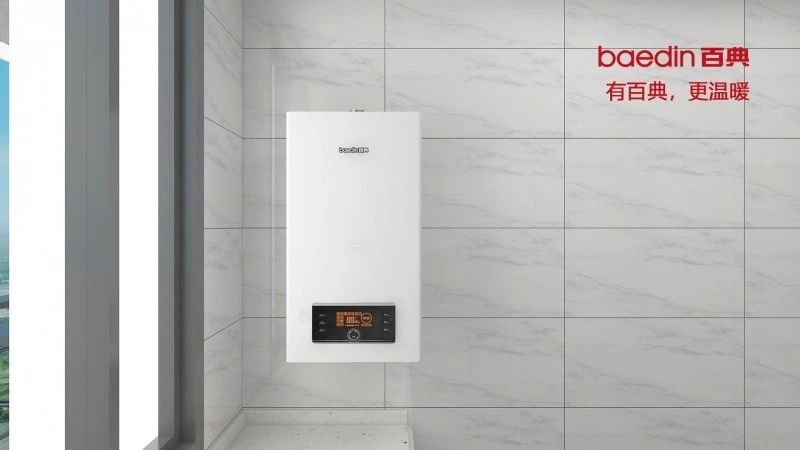
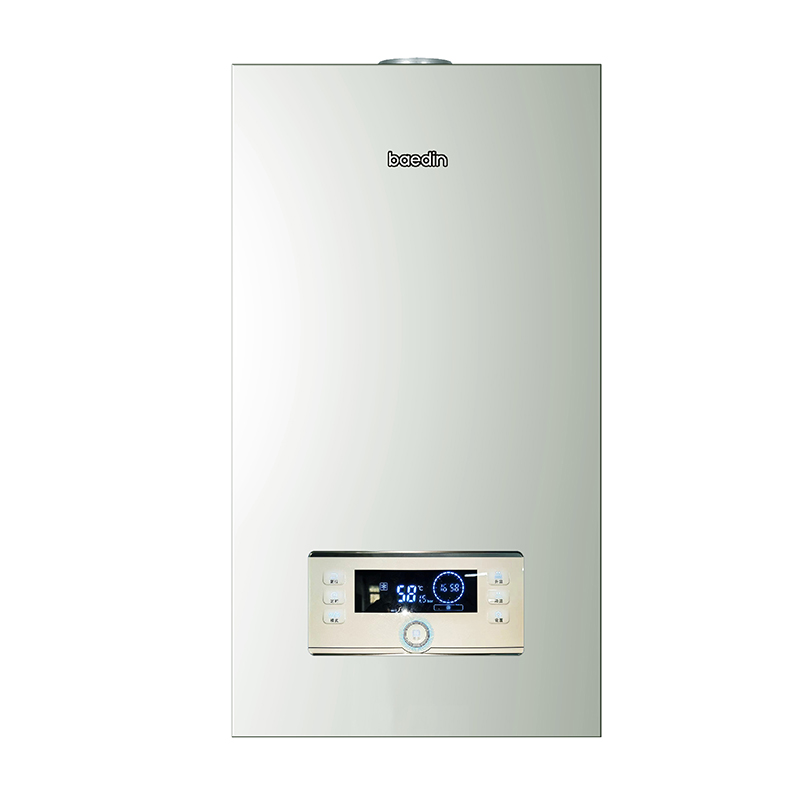
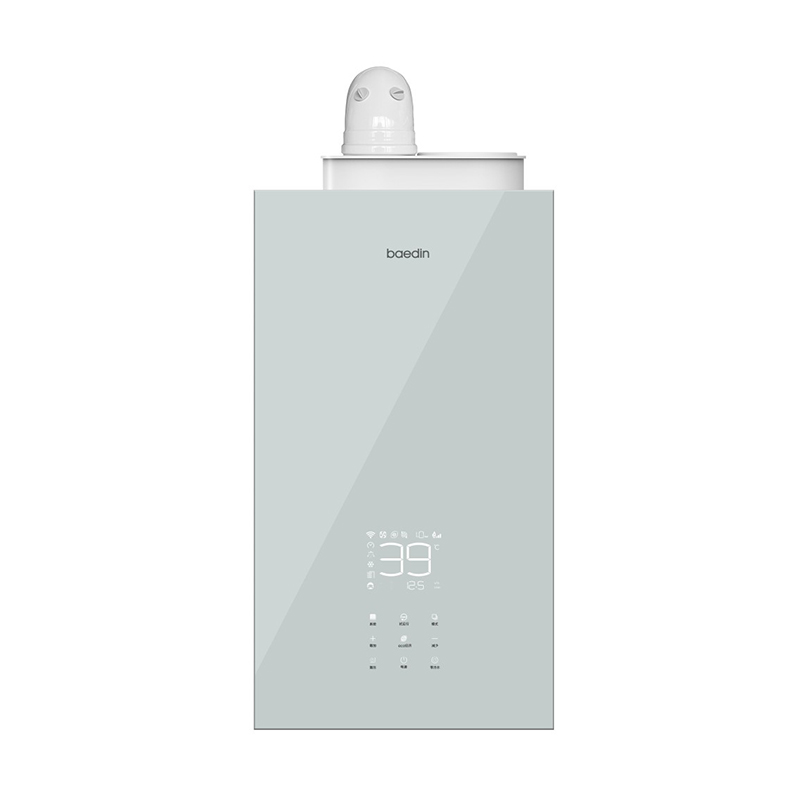
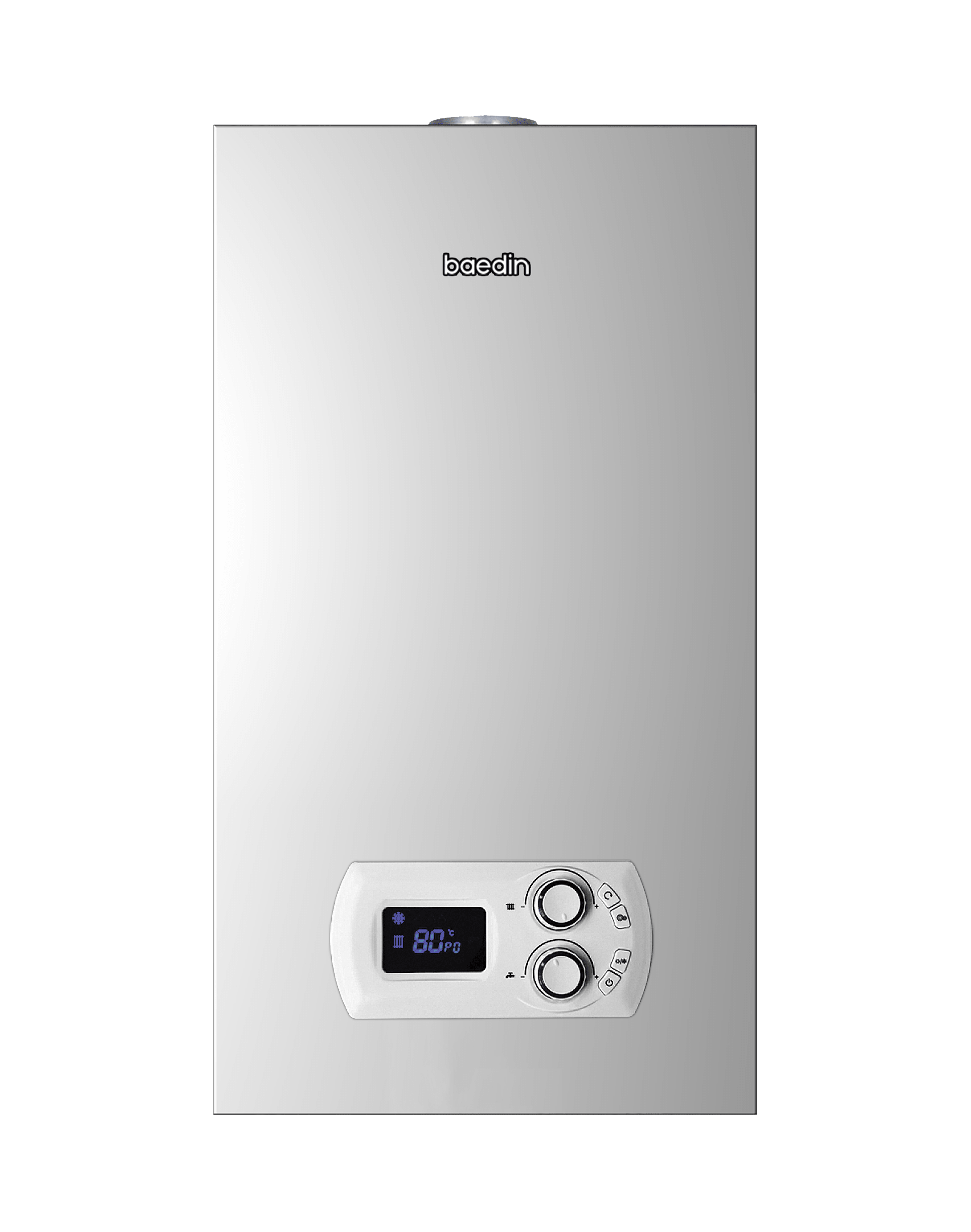
A DC Inverter Wall hung Boiler combines compact wall-mounted construction with variable-speed inverter technology to deliver more responsive and stable heating. Unlike conventional boilers that frequently operate at fixed output levels, a DC inverter system can adjust its operating capacity according to the actual heating demand. This helps reduce unnecessary energy consumption, minimize temperature fluctuations, and improve comfort during changing weather conditions.
For homeowners, property developers, heating contractors, and equipment distributors, understanding how this technology works is essential when evaluating heating equipment. This article explains the main operating principles, practical benefits, selection considerations, installation requirements, maintenance needs, and common questions surrounding DC inverter wall hung boilers.
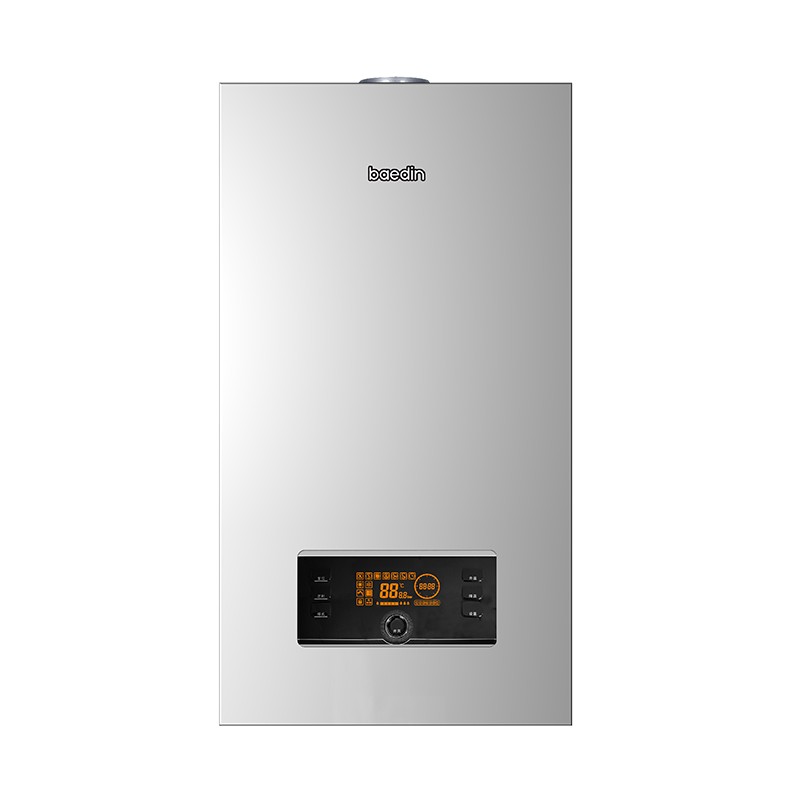
Table of Contents
- Understanding DC Inverter Wall hung Boiler Technology
- Heating Problems Addressed by Inverter Technology
- Key Advantages of a DC Inverter Wall hung Boiler
- DC Inverter Boiler vs. Conventional Boiler
- Important Factors When Selecting a Boiler
- Installation and System Planning
- Maintenance and Long-Term Performance
- Typical Applications
- Frequently Asked Questions
- Final Considerations
1. Understanding DC Inverter Wall hung Boiler Technology
A wall hung boiler is designed to provide heating equipment in a compact vertical configuration, making it suitable for homes and buildings where floor space is limited. The addition of DC inverter technology introduces a more flexible method of controlling system output.
Traditional heating equipment may rely heavily on simple start-and-stop operation. When the indoor temperature falls below a preset point, the system starts at a predetermined output. Once the target is reached, it stops or reduces operation. Repeated cycling can create temperature fluctuations and may increase mechanical stress.
A DC inverter system works differently. Its control system can vary the operating speed of the relevant motor or compressor according to the current heating requirement. Instead of treating every heating demand as identical, the system can respond to changing conditions.
The basic operating concept:
Detect demand → adjust operating capacity → maintain stable heating → reduce unnecessary cycling → improve overall energy management.
This variable-output approach can be particularly useful during transitional seasons when a building requires only moderate heating rather than the maximum available capacity.
2. Heating Problems Addressed by Inverter Technology
Choosing heating equipment is rarely just about maximum heating capacity. Users are often concerned about operating costs, comfort, available installation space, noise, temperature control, and reliability. A well-designed DC inverter wall hung boiler can address several of these practical concerns.
- Unstable indoor temperatures: Variable output can help the heating system respond more precisely to changing demand.
- Frequent cycling: Modulating operation can reduce unnecessary start-stop behavior under suitable system conditions.
- Limited installation space: Wall-mounted construction helps preserve valuable floor area.
- Changing outdoor conditions: Output can be adjusted as heating demand changes throughout the day.
- Unnecessary energy consumption: The system can avoid operating continuously at a higher output than required.
- Complex heating requirements: Intelligent controls can support more responsive system management.
These advantages do not mean that every inverter boiler automatically delivers the same performance. System design, building insulation, boiler sizing, hydraulic configuration, control strategy, and installation quality all influence actual results.
3. Key Advantages of a DC Inverter Wall hung Boiler
| Feature | Practical Benefit |
|---|---|
| Variable Output | Matches heating operation more closely with actual demand. |
| Compact Wall-Mounted Design | Saves floor space and supports flexible installation planning. |
| Precise Control | Helps maintain more consistent indoor heating conditions. |
| Reduced Cycling | Can support smoother operation when properly configured. |
| Smart Control Compatibility | May support thermostats, sensors, and intelligent heating management. |
Better Part-Load Performance
One of the most important advantages of inverter-based equipment is its ability to operate efficiently when the heating load is below maximum capacity. Most buildings do not require peak heating output continuously. Demand changes according to outdoor temperature, sunlight, occupancy, insulation, room size, and user settings.
A variable-capacity system can therefore be better suited to real-world heating patterns. During colder periods, it can increase output; during milder conditions, it can reduce capacity and maintain the desired environment without excessive operation.
Improved Comfort
Comfort is not simply about reaching a target temperature. Rapid temperature changes, repeated cycling, and inconsistent heat distribution can make a room feel uncomfortable even when the thermostat indicates the desired temperature. More gradual modulation can help create a steadier heating environment.
4. DC Inverter Boiler vs. Conventional Boiler
Understanding the difference between variable-capacity and conventional operation helps buyers evaluate equipment more realistically.
| Consideration | DC Inverter System | Conventional Fixed-Output System |
|---|---|---|
| Output Control | Variable and demand-responsive | More limited modulation |
| Part-Load Operation | Designed to adapt to changing demand | May rely more heavily on cycling |
| Temperature Stability | Generally better suited to gradual adjustment | Can experience wider fluctuations depending on controls |
| Space Efficiency | Wall-mounted configuration | Depends on product design |
The most suitable choice depends on the building and heating system. Buyers should evaluate the complete system rather than judging a boiler only by its nominal output.
5. Important Factors When Selecting a Boiler
Selecting a DC inverter wall hung boiler requires more than checking the product appearance. Several technical and practical parameters should be reviewed before purchase.
- Heating capacity: Select a capacity appropriate for the building's heat demand rather than simply choosing the largest available model.
- Minimum modulation level: A lower minimum output can be useful when the heating demand frequently falls below the system's maximum capacity.
- Control compatibility: Check whether the boiler can work with thermostats, temperature sensors, or other control systems required by the project.
- Installation dimensions: Confirm wall strength, clearance requirements, connection positions, and service access.
- Energy performance: Review manufacturer specifications and applicable local efficiency requirements.
- Safety systems: Consider protection functions such as overheating protection, pressure monitoring, flame or ignition safety, and fault detection where applicable.
- After-sales support: Spare parts availability, technical documentation, warranty conditions, and service response can significantly influence the total ownership experience.
Important: Boiler sizing should be based on an appropriate heat-load calculation and local installation requirements. Oversizing does not automatically mean better performance.
6. Installation and System Planning
Even a high-quality boiler can perform poorly if the surrounding heating system is incorrectly designed or installed. Professional installation is therefore an important part of achieving reliable operation.
Before installation, technicians should assess the available wall structure, ventilation requirements, flue or exhaust configuration where applicable, water connections, electrical supply, system pressure, pipework, and maintenance access.
- Verify the installation environment and required clearances.
- Confirm that electrical and fuel connections meet applicable requirements.
- Check the heating circuit and hydraulic configuration.
- Ensure controls and sensors are installed in appropriate locations.
- Test safety functions before commissioning.
- Record commissioning parameters for future service reference.
Proper system balancing is also important. If some rooms receive excessive heat while others remain cold, the problem may not be the boiler itself. Pipe sizing, radiator or terminal selection, valves, circulation, insulation, and control settings should all be considered.
7. Maintenance and Long-Term Performance
Regular maintenance helps preserve heating performance and allows potential problems to be identified before they become major failures. The exact service schedule depends on the equipment design, operating environment, fuel system, local regulations, and manufacturer's instructions.
| Maintenance Area | Why It Matters |
|---|---|
| Heat Exchanger Inspection | Helps maintain effective heat transfer. |
| System Pressure Check | Helps identify abnormal pressure conditions. |
| Electrical and Control Inspection | Supports reliable sensor and controller operation. |
| Leak Inspection | Can identify issues before they cause equipment damage. |
| Safety System Testing | Confirms that protective functions operate correctly. |
Users should also keep the boiler and surrounding area accessible for inspection and avoid blocking ventilation or service openings.
8. Typical Applications
The compact format and variable-output characteristics of a DC inverter wall hung boiler make this type of heating equipment suitable for a range of applications, subject to local technical requirements and the specific product configuration.
- Residential houses: Suitable for individual home heating systems where space efficiency and controllability are important.
- Apartments: Wall-mounted installation can be useful where available floor space is limited.
- Small commercial buildings: Offices, studios, retail spaces, and similar premises may benefit from responsive heating control.
- Renovation projects: Compact equipment can simplify planning when replacing older heating systems.
- New construction: Inverter-based heating can be incorporated into modern building control strategies.
For larger projects, multiple heating units or a more comprehensive heating solution may be required. A professional system assessment should determine the appropriate configuration.
9. Frequently Asked Questions
What is a DC inverter wall hung boiler?
It is a wall-mounted heating appliance that uses DC inverter-based variable-speed technology to adjust operating capacity according to heating demand. This allows more flexible operation compared with equipment that primarily operates at a fixed output.
Does an inverter boiler always consume less energy?
Not necessarily in every installation. Energy consumption depends on the boiler design, load conditions, building insulation, system sizing, controls, installation quality, and operating habits. Inverter technology can improve part-load operation, but the complete heating system determines actual results.
Is a wall hung boiler suitable for small homes?
The wall-mounted configuration can be particularly useful in homes where floor space is limited. However, suitability still depends on the building's heating demand, installation environment, ventilation requirements, and applicable local regulations.
How should boiler capacity be selected?
Capacity should be determined according to the building's actual heat-load requirements. Factors such as floor area, insulation, climate, building envelope, occupancy, windows, and desired indoor temperature should be considered rather than relying only on floor area.
How often should a DC inverter wall hung boiler be serviced?
The appropriate service interval depends on the model, operating conditions, fuel type, local requirements, and manufacturer recommendations. Routine inspection by a qualified technician is advisable, especially before intensive seasonal use.
Can an inverter boiler work with smart controls?
Many modern heating systems can integrate with thermostats, sensors, or intelligent control systems, but compatibility varies by model. Buyers should verify the available communication interfaces and control functions before installation.
10. Final Considerations
A DC Inverter Wall hung Boiler represents a practical approach to modern heating by combining space-saving installation with variable-output control. Its ability to respond to changing heating demand can support more stable indoor temperatures, smoother operation, and potentially better energy management under suitable operating conditions.
However, the boiler itself is only one component of a complete heating solution. Correct capacity selection, professional installation, suitable controls, system balancing, regular maintenance, and appropriate building insulation are equally important. Buyers should therefore evaluate technical specifications, application requirements, safety features, service support, and long-term operating considerations before making a purchasing decision.
Looking for a Reliable DC Inverter Wall hung Boiler Supplier?
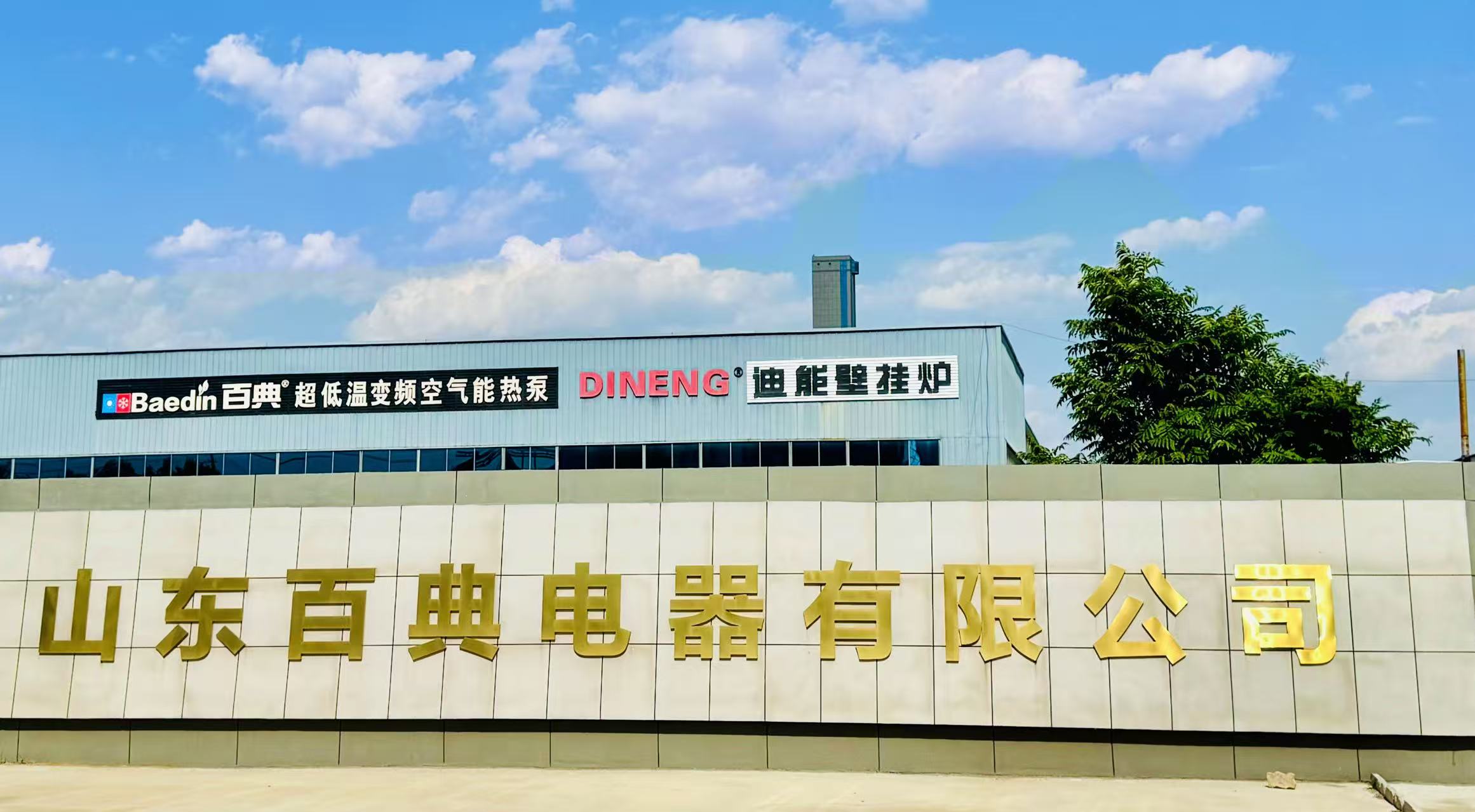
Shandong Baedin Electric Appliance Co., Ltd. is focused on providing heating equipment solutions designed for different residential and commercial applications. When evaluating a boiler project, product configuration, heating capacity, control requirements, installation conditions, and application needs should all be considered together.
If you are sourcing a DC Inverter Wall hung Boiler for distribution, residential projects, building developments, or heating system applications, contact us to discuss your technical requirements and explore a suitable product solution.
Related News
- How Does a Fully Premixed Condensing Gas Boiler Achieve Over 100% Thermal Efficiency?
- Secondary-Heat-Exchange Condensing Combi Boilers
- What are the advantages of Baidian wall-hung boilers?
- Wall-Hung Boiler Industry Accelerates Its Transition Toward High-Efficiency Condensing and Smart Control Technologies
- How to Prevent and Solve Wall Hung Boiler Water Leakage Problems
- How to Maintain Wall Hung Gas Boiler Scientifically and Extend Service Life?
Leave me a message