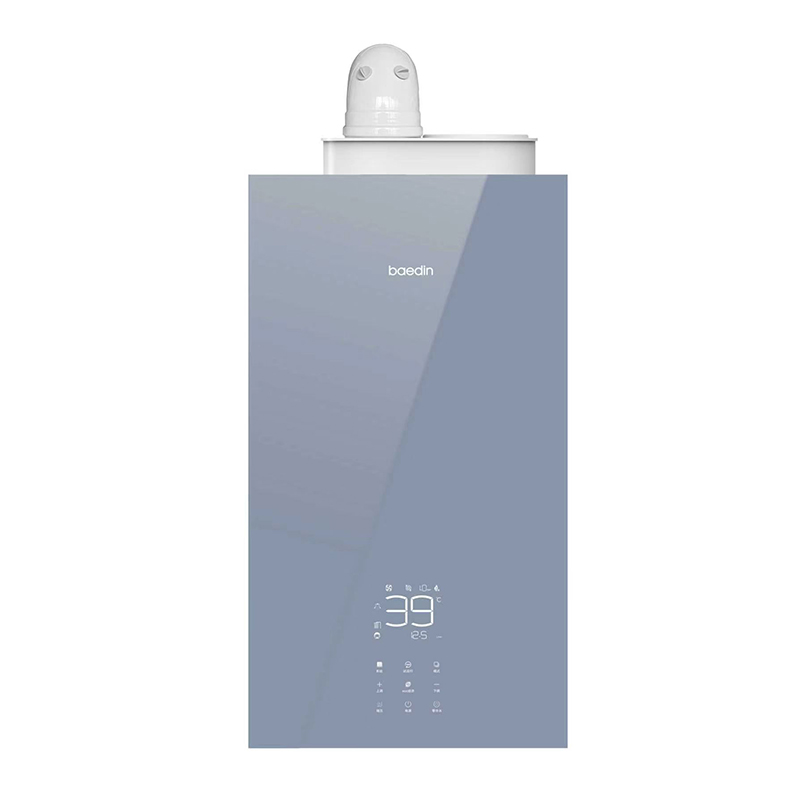
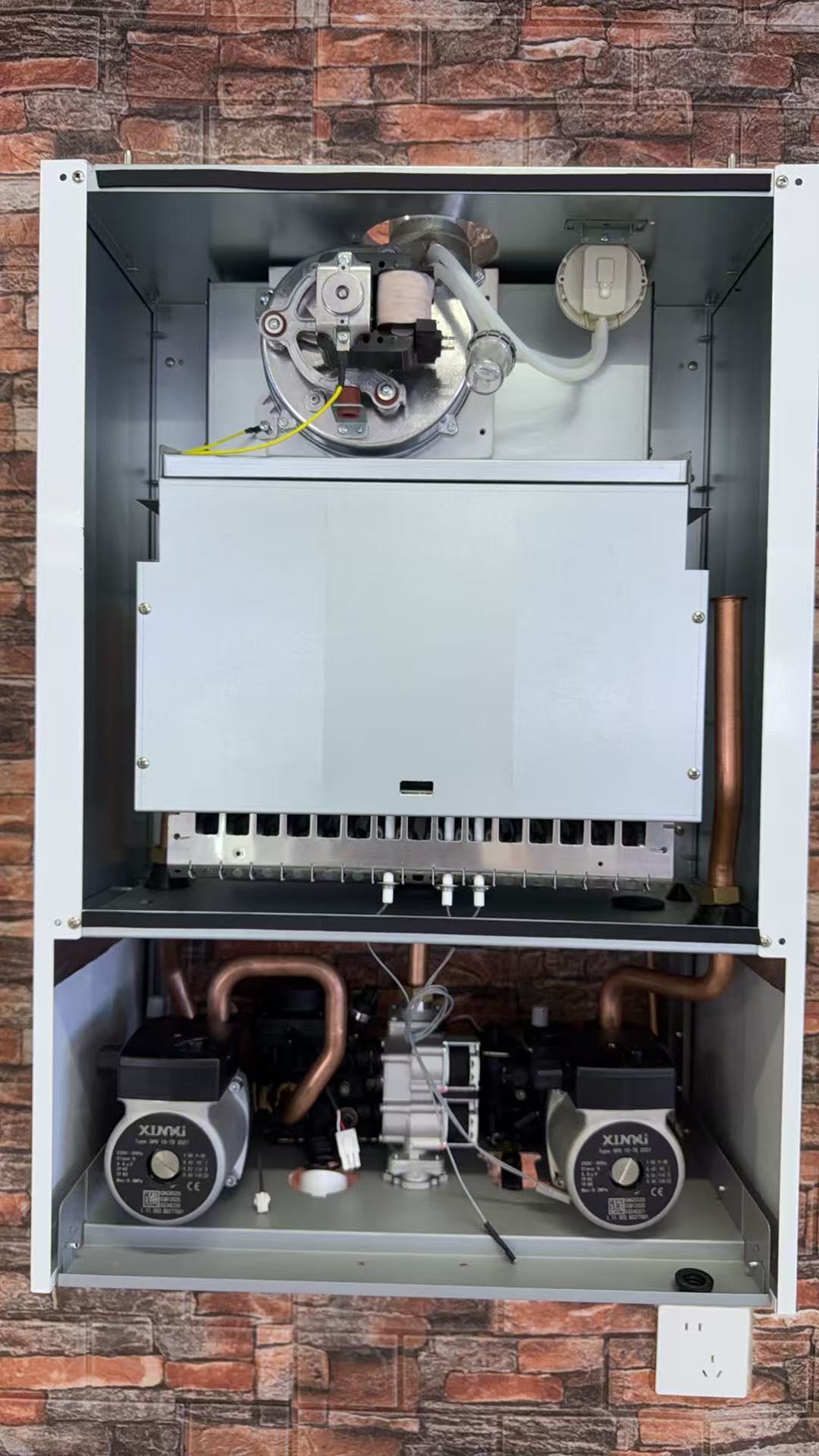
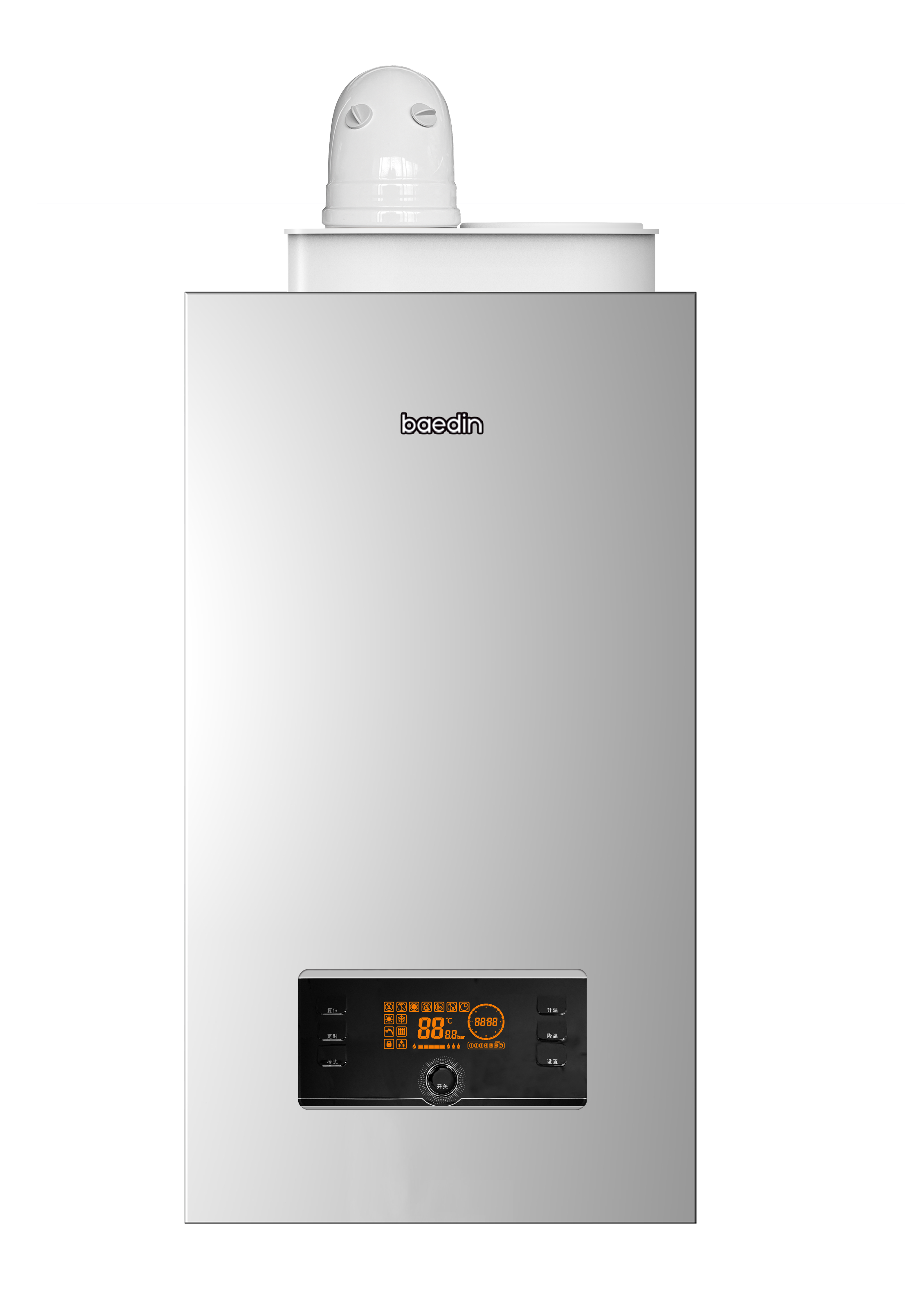
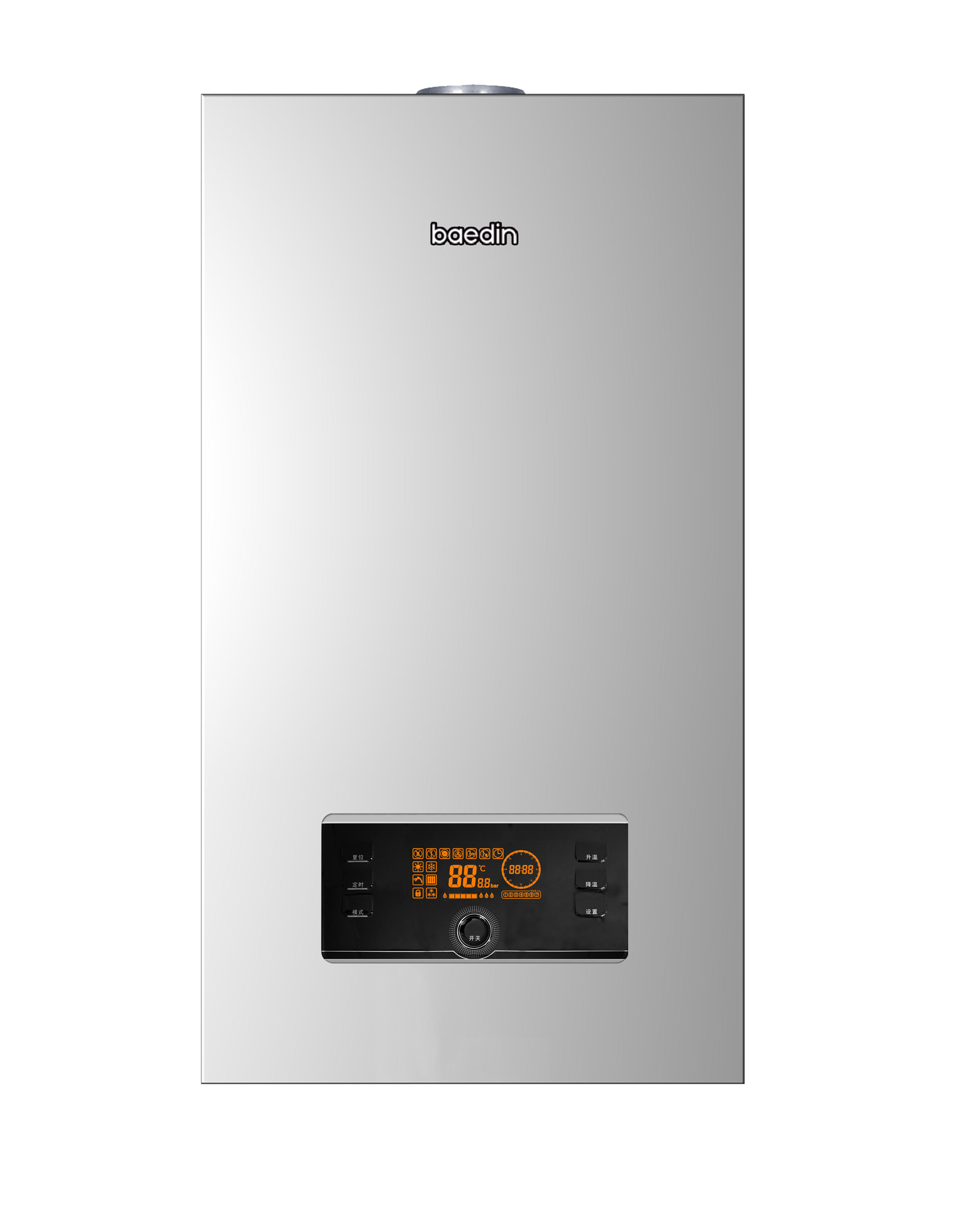
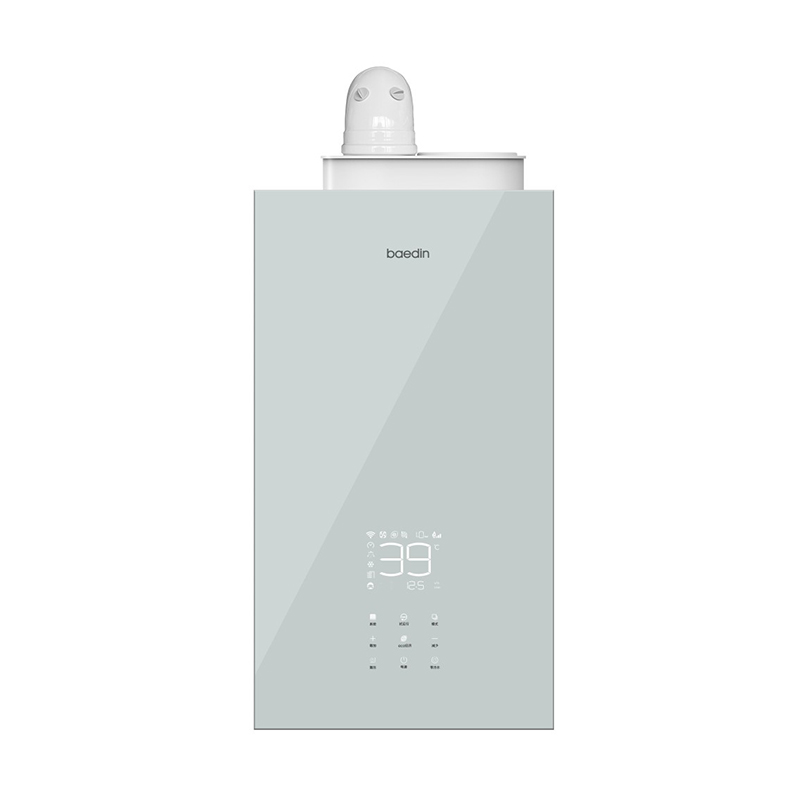
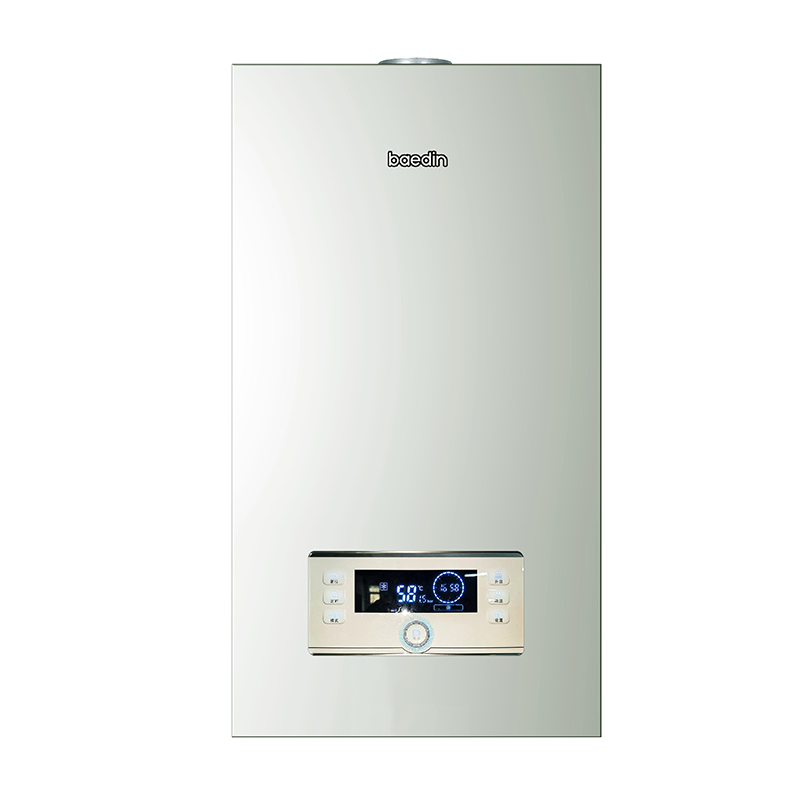
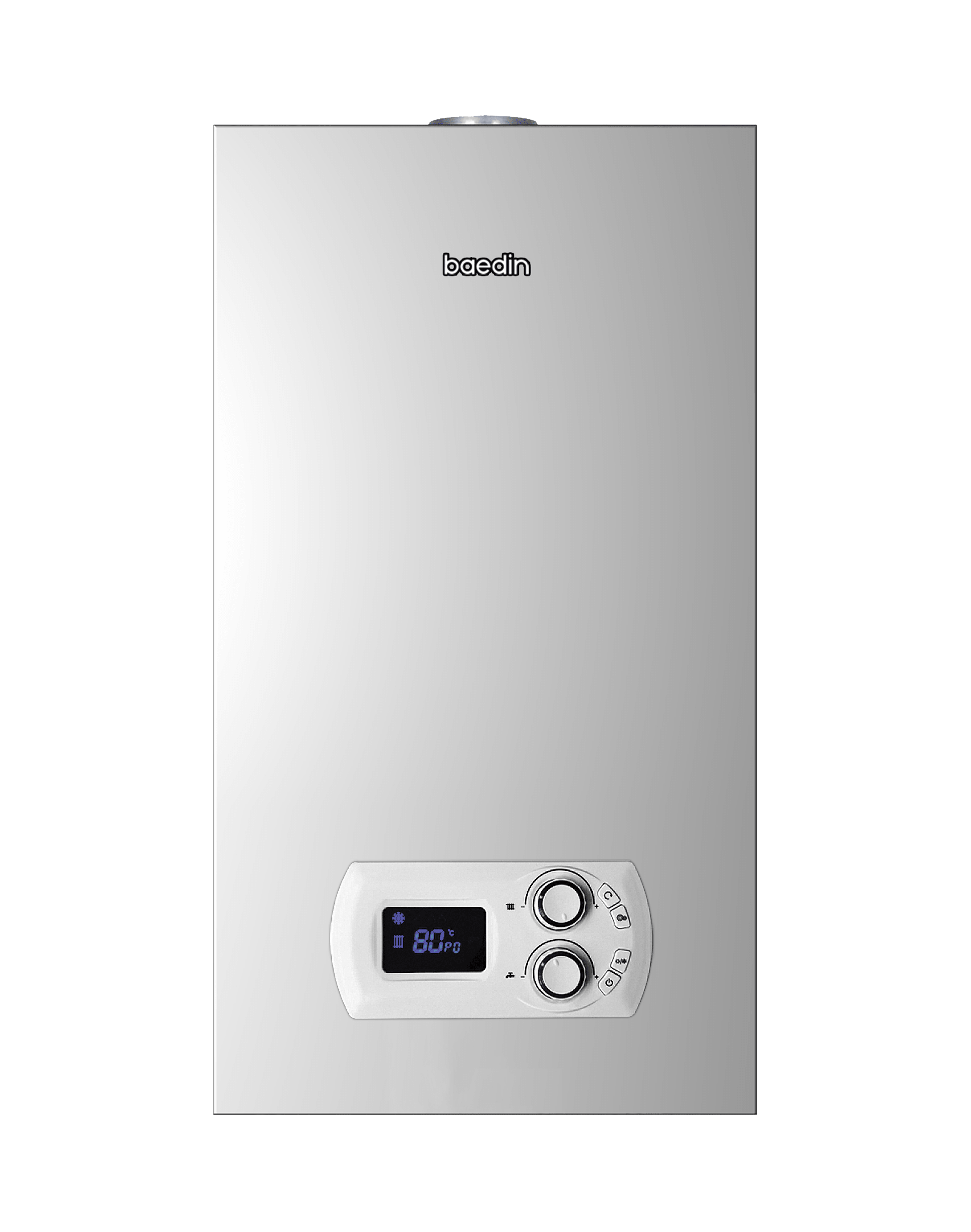
A Dutch consortium has demonstrated a multi-fuel boiler that adapts to changing gas supplies, offering a new research direction for residential heating. Stedin, GasTerra, Intergas, Bekaert and DNV unveiled the proof of concept at DNV's Technology Centre Groningen on 18 June 2026. The project explores how boilers and existing gas networks could accommodate a wider range of fuels as energy supplies change.
The current prototype runs on low-calorific Dutch natural gas, hydrogen and any mixture between them. Its fuel range extends beyond a single fixed gas composition. The consortium says this flexibility could maintain heating continuity when a local network changes its gas supply, without requiring boiler adjustments at every transition.
The Dutch context illustrates the challenge. Following the closure of the Groningen gas field, imported gas needs conditioning for existing domestic boilers. According to Stedin, the Netherlands invested more than EUR 500 million in a nitrogen plant at Zuidbroek to make imported gas suitable for those boilers. Stedin also estimates that around seven million domestic boilers remain in use nationwide.
DNV says network conversion can require adjustments to boilers in individual homes at the same time. Coordinating these visits places pressure on network operators, installers and residents. A multi-fuel boiler could allow replacement or installation before a network switches fuel, giving each process its own timetable. The approach could reduce the need to organise boiler changes across an entire neighbourhood around one conversion date.
Earlier work by Intergas was discussed at a Ready4H2 webinar on 26 May 2026. In its 4 June update, Ready4H2 reported development of boilers accepting methane-hydrogen mixtures from zero to 100 percent hydrogen. It also reported a hybrid boiler demonstration with a hybrid heat pump as part of the Wagenborgen hydrogen neighbourhood project. Intergas was seeking further projects to test its boilers.
The next phase of the consortium's project targets high-calorific natural gas and off-spec biogas, meaning biogas outside standard gas-quality specifications. These fuels remain development targets beyond the prototype's demonstrated range. Broader compatibility could expand the project's relevance beyond the Dutch gas system.
In a July 2026 announcement published by Stedin, the consortium reported strong interest from foreign parties. The partners expect applications in countries where gas composition may become less uniform. That interest reflects the potential for boilers to accommodate changing supply arrangements across different markets.
For wall-hung boiler manufacturers, the project highlights the importance of matching future boiler designs to local fuel specifications and network plans. A wider operating range could give installers more freedom to schedule replacements while network operators prepare conversions. The commercial opportunity would depend on which additional fuels are validated and where the resulting boilers can be deployed.
The technology remains a proof of concept. DNV helped develop and validate its technical feasibility, and the consortium is inviting partners to support further development and scaling. Manufacturers and network operators now have a demonstrated starting point for exploring fuel-flexible residential heating, with broader applications still to be developed.
We use cookies to offer you a better browsing experience, analyze site traffic and personalize content. By using this site, you agree to our use of cookies. Privacy Policy