How Does an Atmospheric Condensing Boiler Improve Heating Efficiency and System Performance?
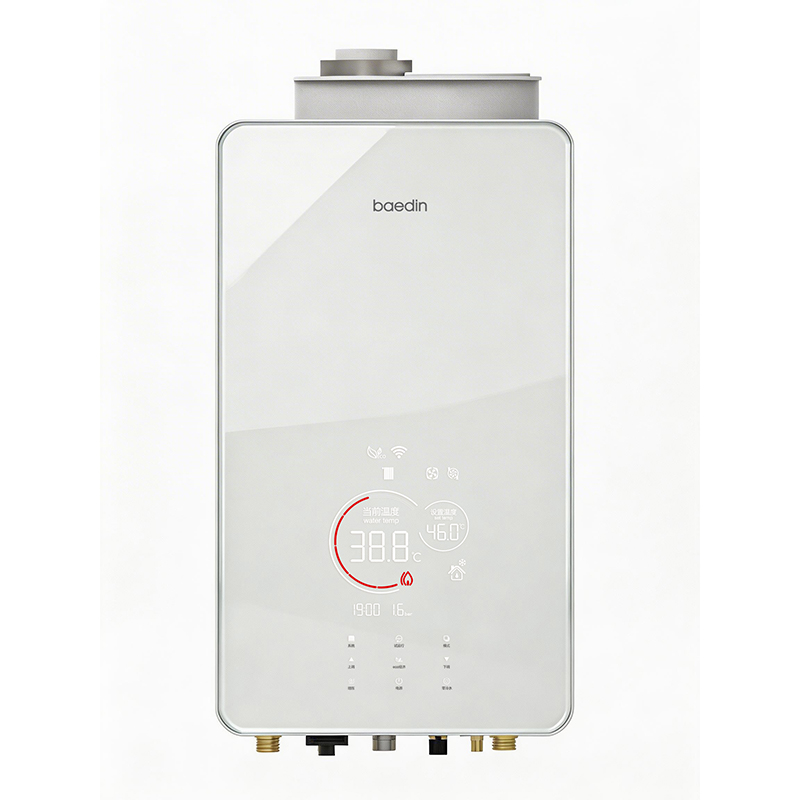
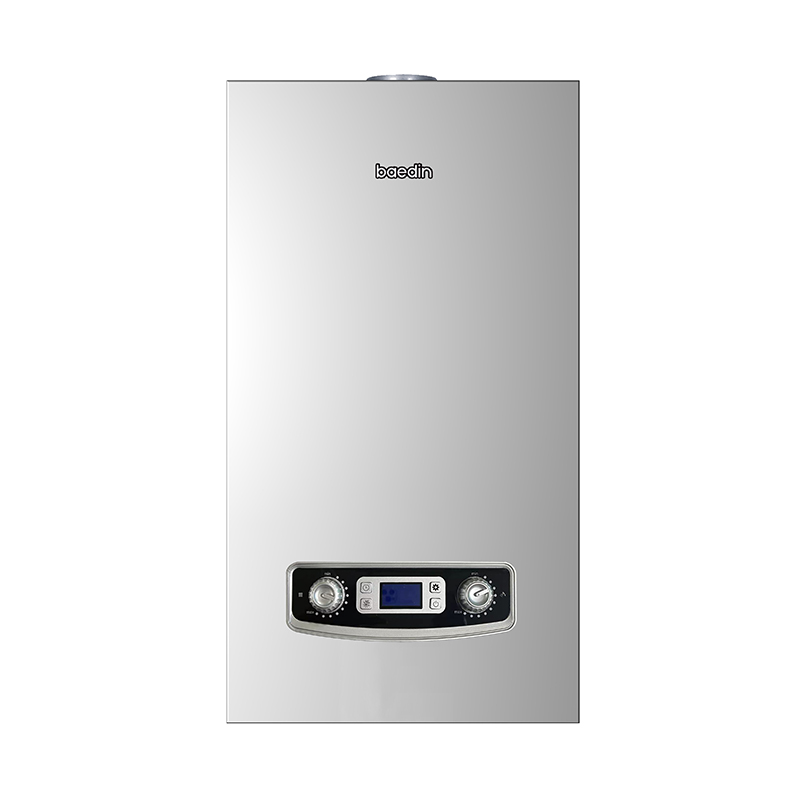
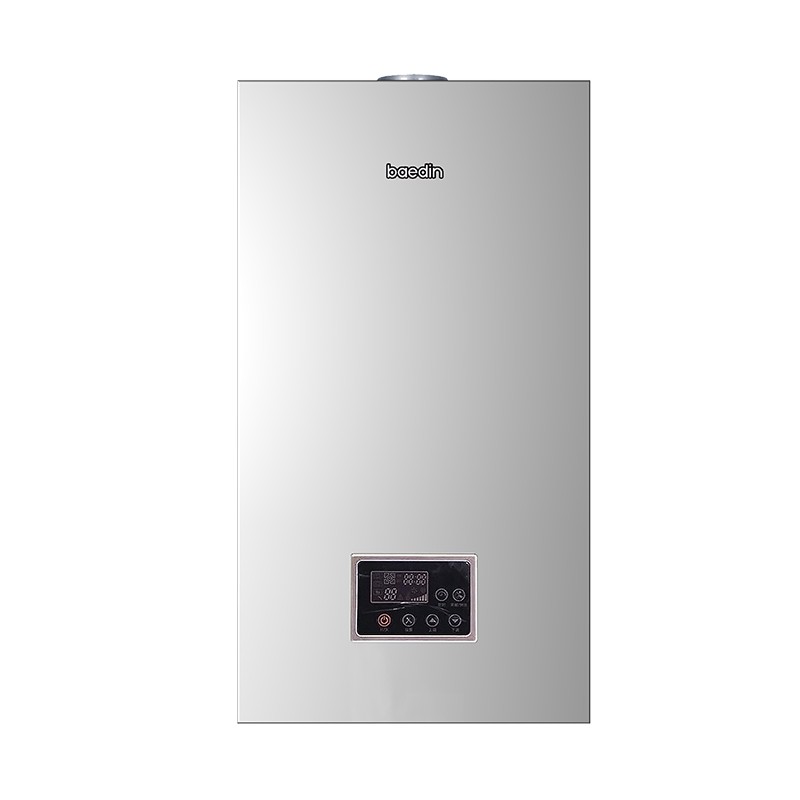
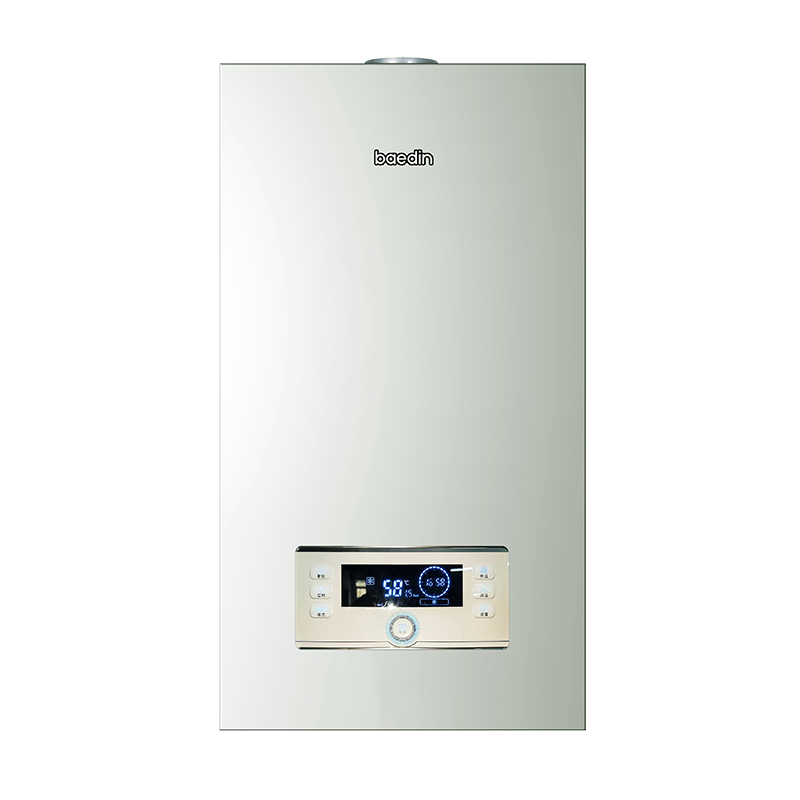
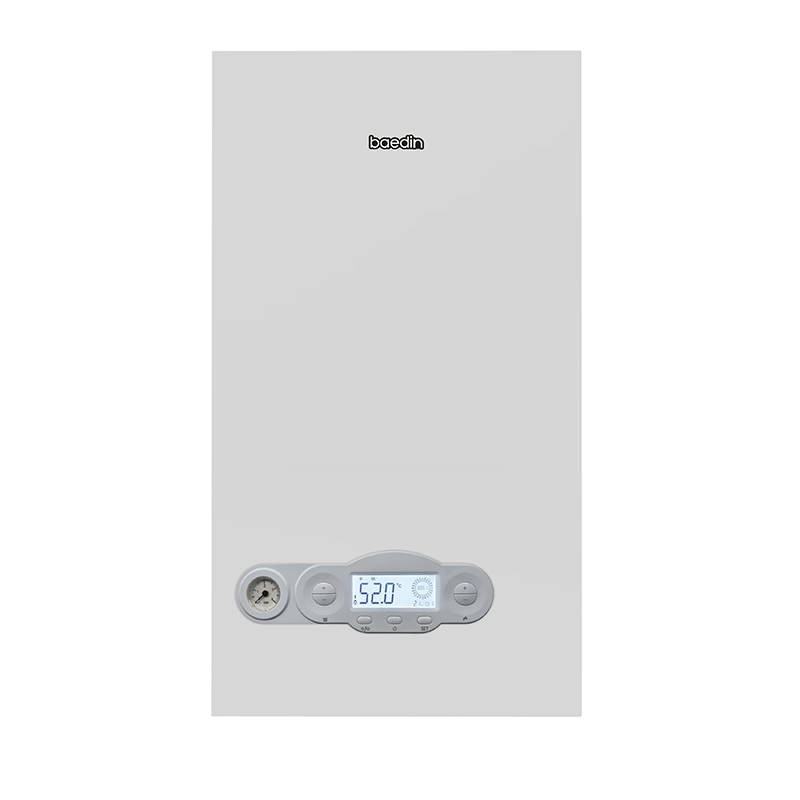
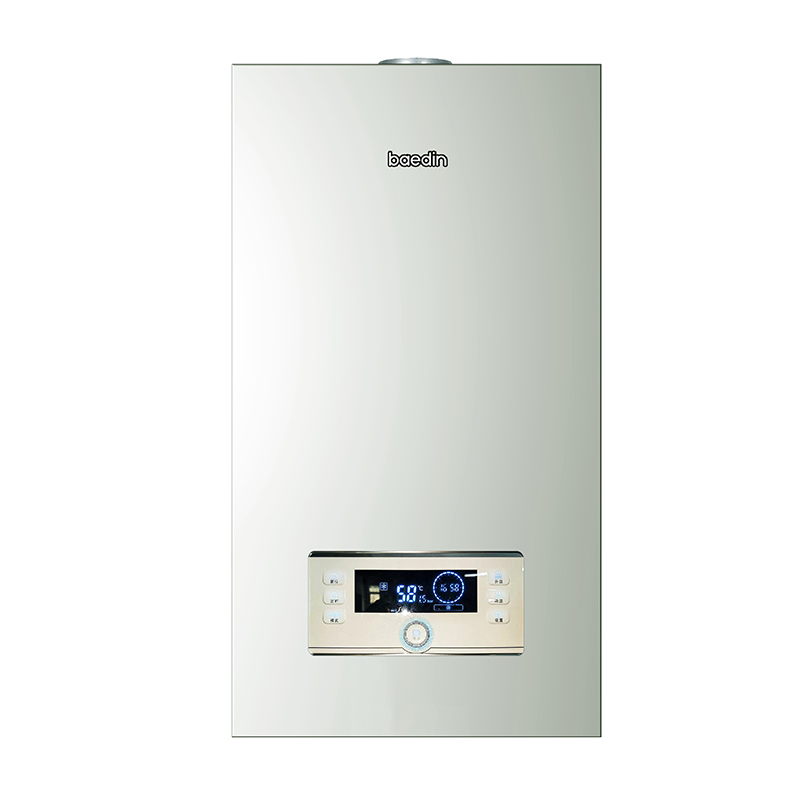
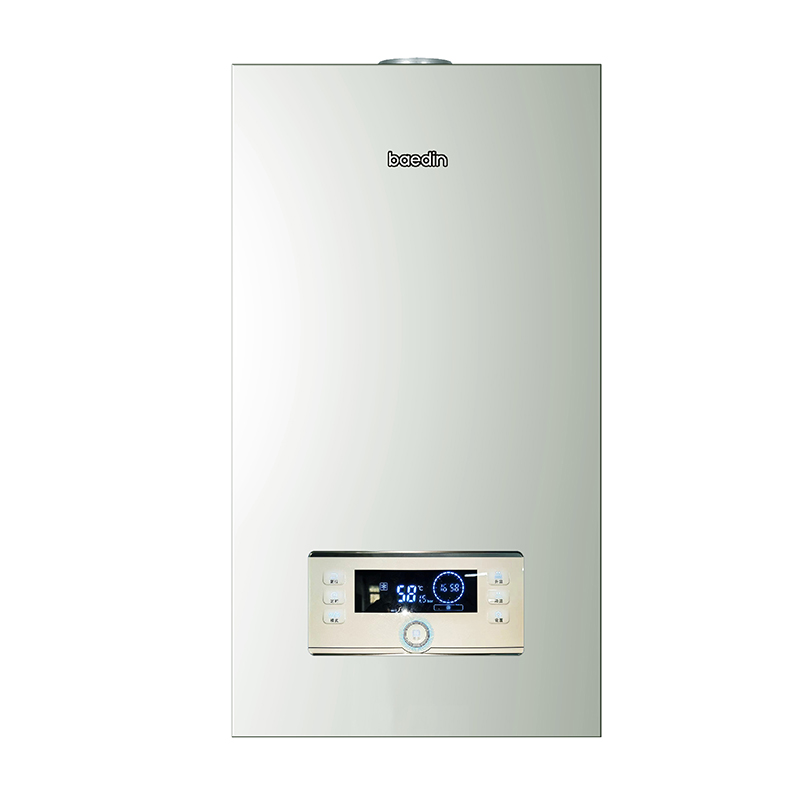
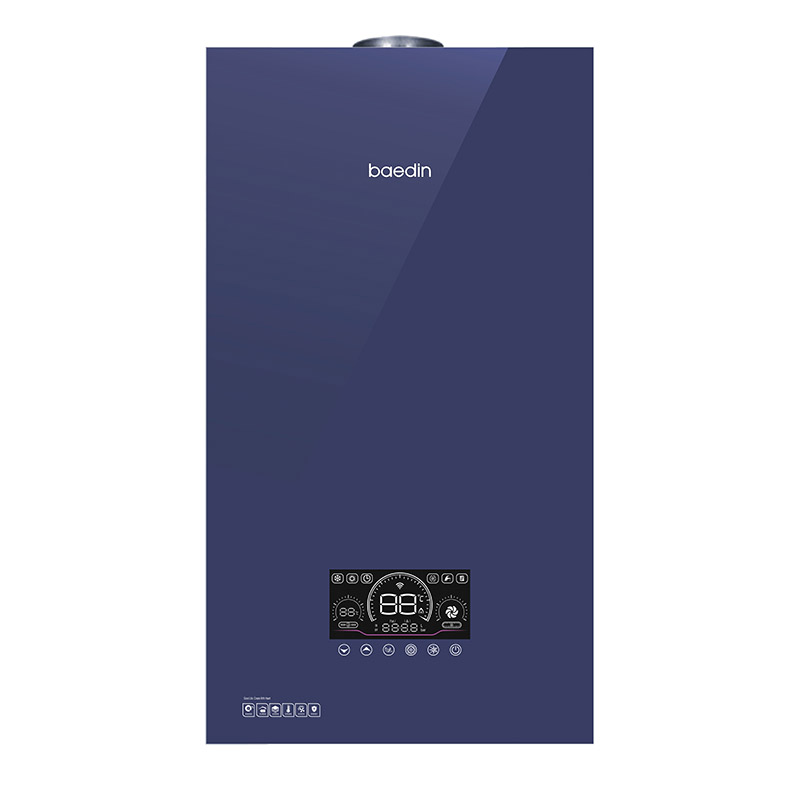
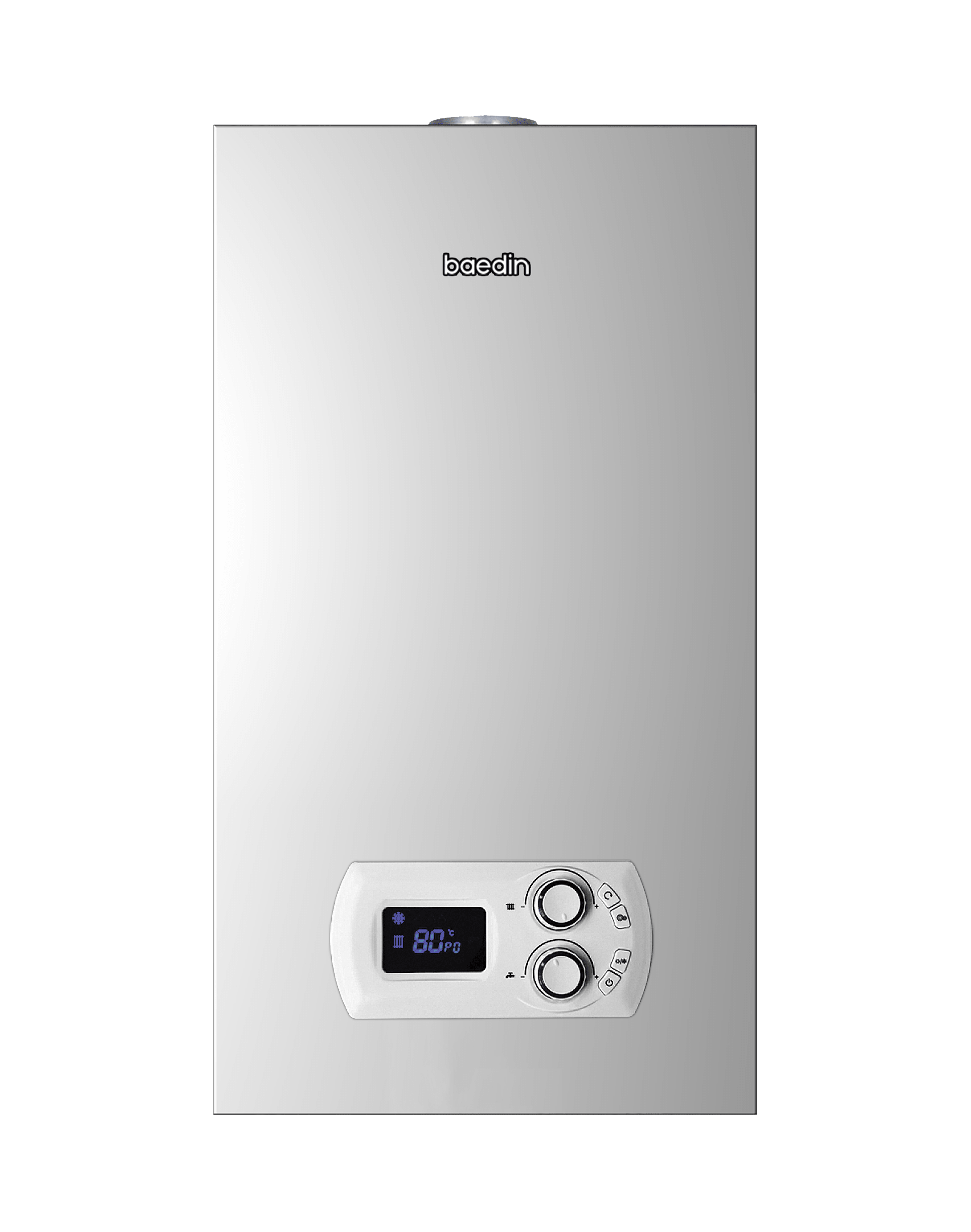
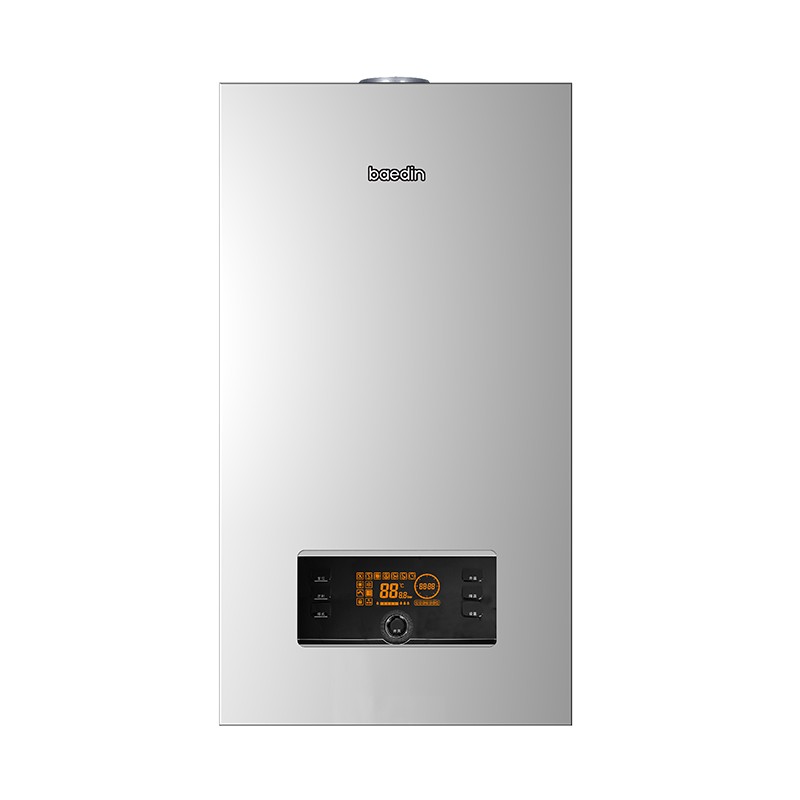
An Atmospheric Condensing Boiler is becoming an increasingly popular heating solution for commercial buildings, residential projects, and industrial applications that require reliable performance, lower energy consumption, and long-term operational stability. By combining atmospheric combustion technology with advanced condensing heat recovery principles, this type of boiler helps users maximize fuel utilization while reducing heat loss and operating costs.
This comprehensive guide explains how an Atmospheric Condensing Boiler works, why traditional heating systems often face efficiency challenges, what benefits modern condensing technology provides, and how users can select the right boiler solution for their specific requirements. With professional manufacturing experience, Shandong Baedin Electric Appliance Co., Ltd. provides advanced boiler solutions designed to meet different heating demands with dependable quality and optimized performance.
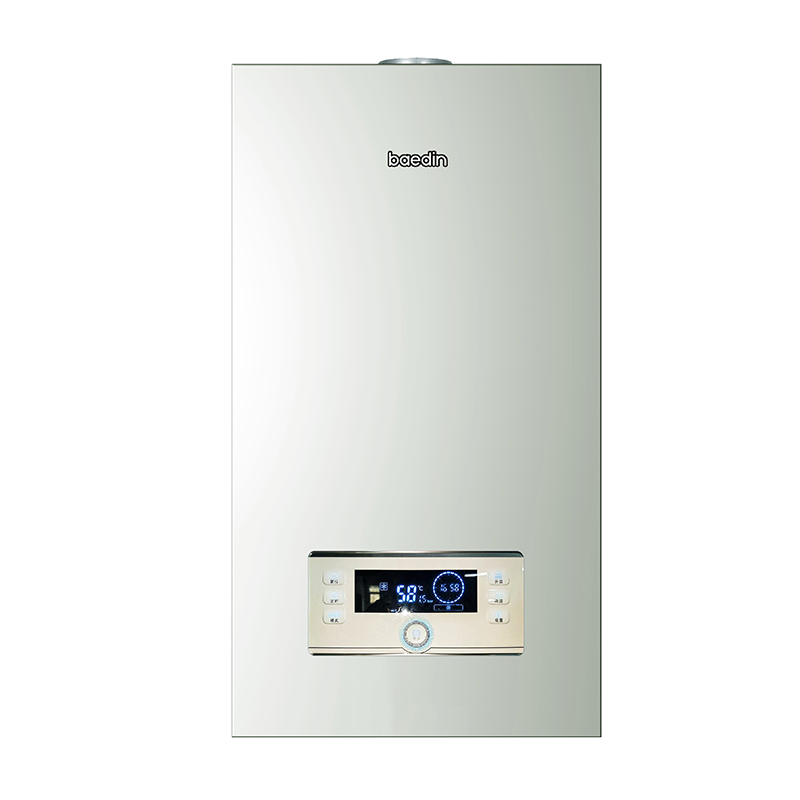
Table of Contents
- 1. What Is an Atmospheric Condensing Boiler?
- 2. How Does an Atmospheric Condensing Boiler Work?
- 3. Why Do Traditional Boilers Have Efficiency Problems?
- 4. What Advantages Does an Atmospheric Condensing Boiler Provide?
- 5. Atmospheric Condensing Boiler vs Conventional Boiler
- 6. How to Choose the Right Atmospheric Condensing Boiler?
- 7. Where Are Atmospheric Condensing Boilers Used?
- 8. How to Maintain an Atmospheric Condensing Boiler?
- 9. Frequently Asked Questions
- 10. Contact Us for Professional Boiler Solutions
What Is an Atmospheric Condensing Boiler?
An Atmospheric Condensing Boiler is a high-efficiency heating device that combines atmospheric combustion technology with condensing heat recovery. Unlike traditional boilers that release hot exhaust gases directly into the atmosphere, this advanced system captures additional heat from combustion gases and transfers it back into the heating process.
The main purpose of this technology is to increase thermal efficiency, reduce fuel consumption, and provide consistent heating performance. During operation, the boiler not only utilizes the direct heat generated from fuel combustion but also recovers latent heat contained in water vapor from exhaust gases.
This design allows the system to achieve higher energy utilization compared with conventional heating equipment. For users facing rising fuel costs, environmental requirements, and increasing demand for efficient heating solutions, an Atmospheric Condensing Boiler provides a practical and sustainable option.
Modern atmospheric condensing systems are widely applied in hotels, schools, hospitals, commercial buildings, factories, and residential heating projects where stable hot water and space heating are required.
How Does an Atmospheric Condensing Boiler Work?
Understanding the working process of an Atmospheric Condensing Boiler helps users recognize why it delivers improved efficiency and reliable performance.
| Working Stage | Main Function | Performance Benefit |
|---|---|---|
| Fuel Combustion | The burner produces heat through controlled atmospheric combustion. | Provides stable and continuous heat generation. |
| Primary Heat Transfer | Heat energy transfers from combustion gases to heating water. | Improves basic heating efficiency. |
| Condensing Heat Recovery | The system captures additional heat from exhaust gas condensation. | Reduces energy waste and improves fuel utilization. |
| Heat Distribution | Hot water circulates through heating systems. | Maintains comfortable indoor temperatures. |
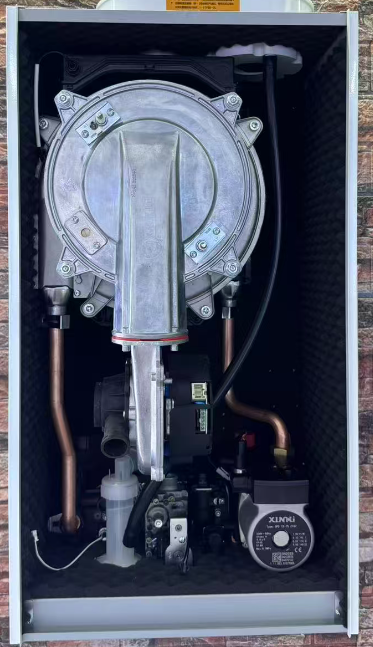
The key difference between an ordinary boiler and a condensing boiler lies in heat recovery. Traditional systems usually discharge exhaust gases while they still contain valuable thermal energy. A condensing boiler uses a specially designed heat exchanger to cool these gases, allowing water vapor to condense and release additional heat.
This process helps reduce exhaust temperature and improves overall system efficiency. As a result, users can achieve better heating output while consuming less fuel.
Why Do Traditional Boilers Have Efficiency Problems?
Many older heating systems experience performance limitations because they are designed only to transfer sensible heat from combustion. They often lose a significant amount of energy through high-temperature exhaust gases.
Common problems include:
- High Fuel Consumption: Traditional boilers require more fuel to produce the same heating output because unused heat escapes through exhaust emissions.
- Increased Operating Costs: Lower efficiency directly leads to higher monthly energy expenses.
- Uneven Heating Performance: Older systems may struggle to maintain stable temperatures during changing weather conditions.
- Higher Environmental Impact: Greater fuel consumption results in increased carbon emissions.
- Frequent Maintenance Requirements: Aging equipment often requires more repairs and replacement components.
For businesses and property owners, these issues can create unnecessary operational pressure. Upgrading to an Atmospheric Condensing Boiler helps address these challenges by improving energy utilization and providing more dependable heating performance.
What Advantages Does an Atmospheric Condensing Boiler Provide?
Choosing the right heating equipment directly affects long-term operating costs and system reliability. Atmospheric Condensing Boilers offer several important advantages for modern heating applications.
1. Higher Energy Efficiency
The biggest advantage is improved thermal efficiency. By recovering heat from exhaust gases, the boiler extracts more usable energy from the same amount of fuel.
- Lower fuel consumption
- Reduced heating expenses
- Better energy utilization
- Improved long-term economic benefits
2. Stable Heating Performance
Reliable heating is essential for commercial and industrial environments. Atmospheric Condensing Boilers are designed to provide continuous operation with stable temperature control.
Whether used for space heating or hot water production, these systems can maintain consistent output and improve user comfort.
3. Reduced Heat Loss
Advanced heat exchanger structures help minimize wasted thermal energy. Instead of allowing valuable heat to escape, the system recycles more energy during operation.
4. Environmentally Friendly Operation
Lower fuel consumption means fewer emissions. This makes Atmospheric Condensing Boilers a suitable choice for organizations seeking more sustainable heating solutions.
5. Long Service Life
High-quality materials and optimized designs improve durability. Proper installation and maintenance can help extend equipment lifespan and reduce unexpected downtime.
Atmospheric Condensing Boiler vs Conventional Boiler
When selecting a heating system, many customers compare traditional boilers with modern condensing technology. Understanding the differences can help users make a more practical investment decision.
| Comparison Factor | Atmospheric Condensing Boiler | Conventional Boiler |
|---|---|---|
| Heat Utilization | Recovers additional heat from exhaust gases through condensation technology. | Only uses direct combustion heat and releases more waste energy. |
| Energy Consumption | Lower fuel usage due to improved efficiency. | Higher fuel consumption during continuous operation. |
| Operating Cost | Helps reduce long-term heating expenses. | Requires more energy expenditure over time. |
| Environmental Performance | Lower emissions through improved fuel utilization. | Produces higher emissions because of energy loss. |
| Temperature Control | Provides stable and efficient heating output. | May experience greater temperature fluctuations. |
Although conventional boilers may have lower initial purchase costs, their long-term operating expenses can become significantly higher. An Atmospheric Condensing Boiler focuses on total lifecycle value by reducing energy waste and improving operational efficiency.
For commercial users, factories, and large residential projects, investing in efficient boiler technology can provide measurable savings over years of operation.
How to Choose the Right Atmospheric Condensing Boiler?
Selecting an appropriate Atmospheric Condensing Boiler requires careful consideration of heating requirements, installation conditions, and future operating expectations. A suitable boiler should not only provide sufficient heating capacity but also match the specific application environment.
1. Determine Heating Capacity Requirements
The first step is calculating the required heating load. Factors such as building size, insulation level, climate conditions, and hot water demand all influence the correct boiler capacity.
- Small residential buildings usually require compact heating solutions.
- Commercial buildings may need higher output systems for continuous operation.
- Industrial applications often require customized configurations according to production requirements.
2. Consider Fuel Type and Availability
Different regions have different fuel supply conditions. Before purchasing a boiler, users should evaluate available energy sources and select a model that matches local requirements.
3. Evaluate Heat Exchanger Quality
The heat exchanger is one of the most important components of a condensing boiler. High-quality materials improve heat transfer efficiency, corrosion resistance, and service life.
4. Check Safety and Control Features
Modern heating systems should include reliable control functions, safety protection mechanisms, and intelligent monitoring options to ensure smooth operation.
5. Choose an Experienced Manufacturer
Working with a professional manufacturer helps ensure product quality, technical support, and long-term reliability. Shandong Baedin Electric Appliance Co., Ltd. focuses on developing efficient boiler solutions that meet different heating application requirements.
Where Are Atmospheric Condensing Boilers Used?
Due to their efficiency, reliability, and flexible operation, Atmospheric Condensing Boilers are suitable for various industries and building types.
| Application Area | Heating Requirements | Benefits Provided |
|---|---|---|
| Residential Buildings | Comfortable indoor heating and domestic hot water. | Energy savings and stable temperature control. |
| Hotels and Commercial Facilities | Continuous heating and large hot water demand. | Reliable operation and reduced energy expenses. |
| Schools and Hospitals | Safe and consistent heating performance. | Improved comfort and operational efficiency. |
| Factories and Industrial Facilities | High-capacity heating requirements. | Stable thermal supply for different processes. |
The flexibility of Atmospheric Condensing Boiler technology makes it suitable for both new construction projects and heating system upgrades. Many users choose this solution when they need better efficiency without sacrificing reliability.
How to Maintain an Atmospheric Condensing Boiler?
Regular maintenance is essential for keeping a boiler operating efficiently throughout its service life. Even advanced heating equipment requires proper inspection and care.
- Inspect the Heat Exchanger Regularly: Remove deposits and ensure efficient heat transfer.
- Check Combustion Performance: Maintain proper combustion conditions to achieve optimal efficiency.
- Clean Condensate Components: Ensure smooth drainage and prevent system blockage.
- Monitor Safety Devices: Verify that protection systems function correctly.
- Schedule Professional Inspection: Professional maintenance helps identify potential problems before they become serious failures.
A well-maintained Atmospheric Condensing Boiler can provide reliable heating performance while minimizing unexpected repair costs.
Frequently Asked Questions
What makes an Atmospheric Condensing Boiler different from a normal boiler?
The main difference is the ability to recover additional heat from exhaust gases. A conventional boiler loses this energy, while an Atmospheric Condensing Boiler captures and reuses it to improve efficiency.
Is an Atmospheric Condensing Boiler suitable for commercial buildings?
Yes. These boilers are widely used in hotels, offices, schools, hospitals, and commercial facilities because they provide stable heating output and help reduce energy costs.
How can an Atmospheric Condensing Boiler reduce operating expenses?
By recovering waste heat and improving fuel utilization, the system requires less fuel to produce the same heating effect. This helps lower monthly energy bills and long-term operational costs.
What factors affect boiler efficiency?
Efficiency is influenced by boiler design, heat exchanger quality, installation conditions, maintenance frequency, fuel quality, and operating settings.
How long can an Atmospheric Condensing Boiler operate?
The service life depends on product quality, installation standards, operating environment, and maintenance practices. Proper care can significantly extend equipment durability.
Contact Us for Professional Boiler Solutions
Choosing the right heating equipment is an important decision that affects energy costs, system reliability, and long-term performance. Shandong Baedin Electric Appliance Co., Ltd. provides professional Atmospheric Condensing Boiler solutions designed to meet diverse heating needs with advanced technology, dependable quality, and customer-focused service.
Whether you are planning a new heating project, upgrading an existing system, or looking for an efficient boiler supplier, our experienced team can provide suitable solutions based on your application requirements.
Contact us today to learn more about high-performance Atmospheric Condensing Boiler products and discover how Shandong Baedin Electric Appliance Co., Ltd. can help you achieve safer, more efficient, and more economical heating performance.
Related News
- How Does a Fully Premixed Condensing Gas Boiler Achieve Over 100% Thermal Efficiency?
- Secondary-Heat-Exchange Condensing Combi Boilers
- What are the advantages of Baidian wall-hung boilers?
- Wall-Hung Boiler Industry Accelerates Its Transition Toward High-Efficiency Condensing and Smart Control Technologies
- How to Prevent and Solve Wall Hung Boiler Water Leakage Problems
- How to Maintain Wall Hung Gas Boiler Scientifically and Extend Service Life?
Leave me a message