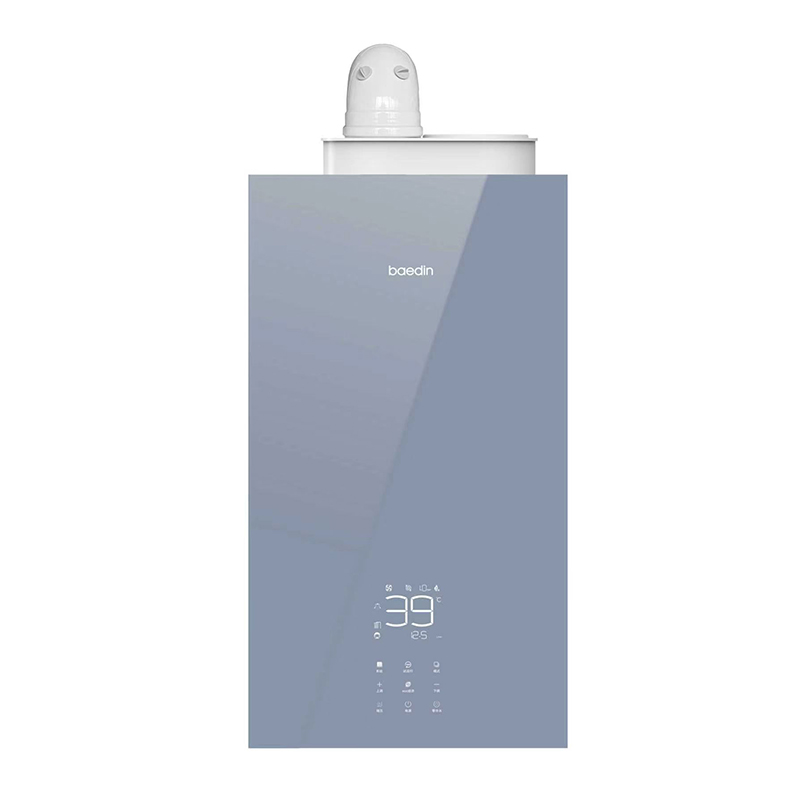
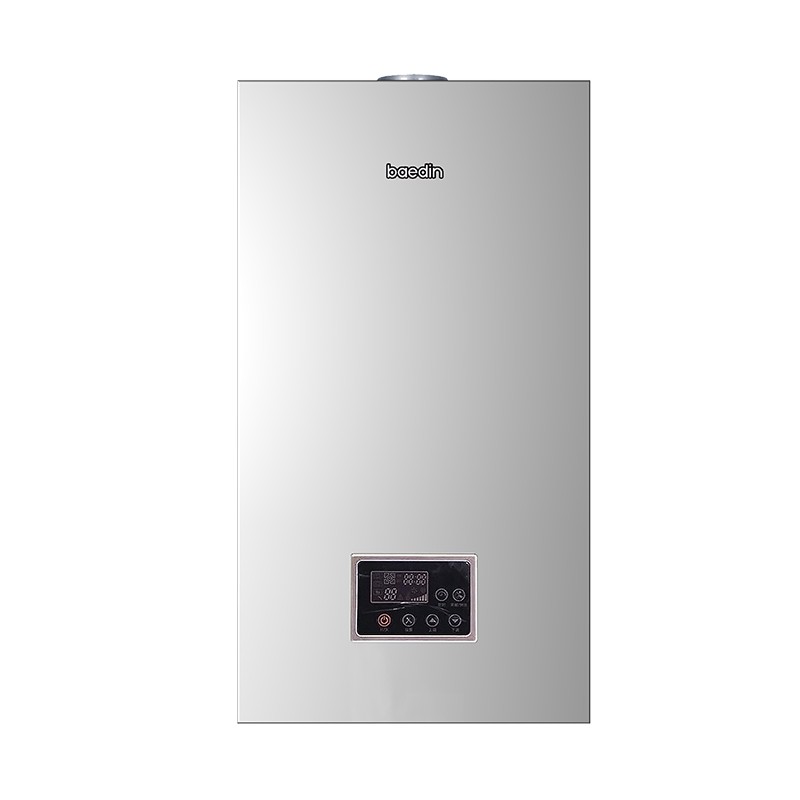
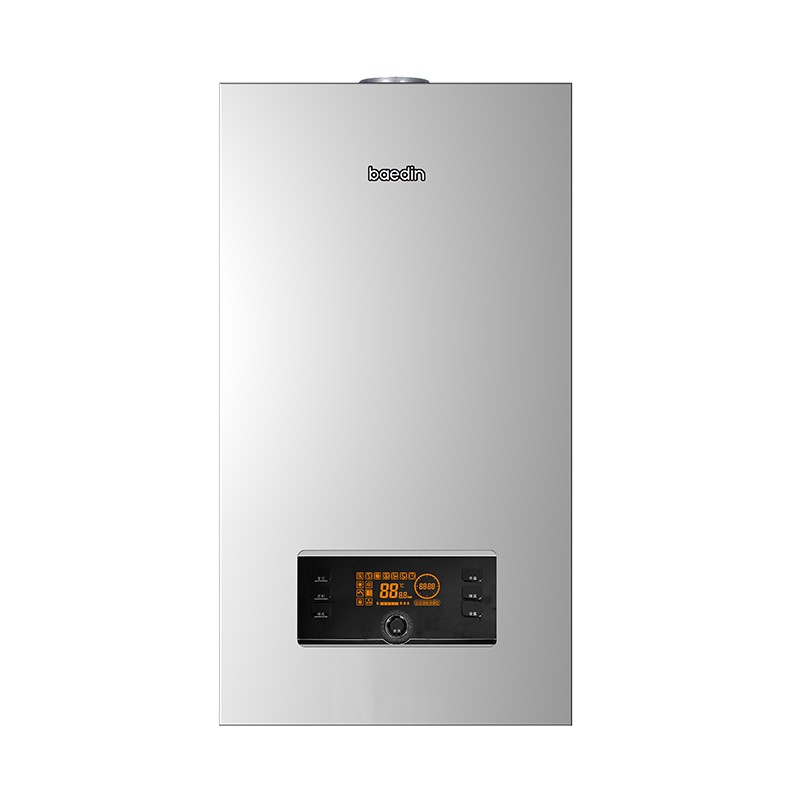
When evaluating a gas boiler, thermal efficiency is the most critical metric for operating costs. Traditional non-condensing boilers exhaust flue gases directly into the atmosphere, losing a significant amount of heat—their efficiency typically ranges between 85% and 89%.
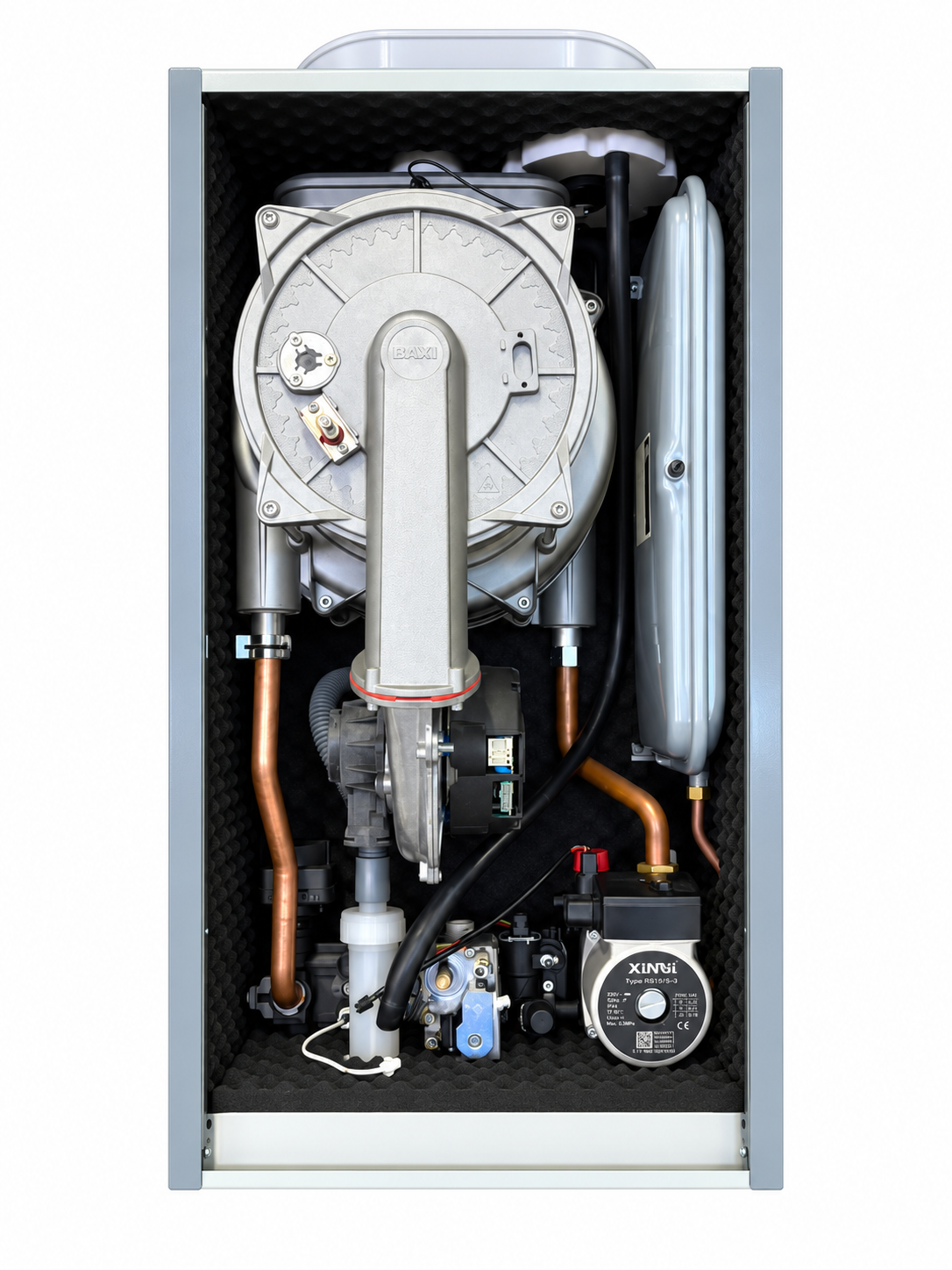
Modern condensing boilers represent a major technological leap. By incorporating a secondary heat exchanger, they capture and recycle the latent heat contained within water vapor in the exhaust. This process, known as condensation, lowers the flue gas temperature to as low as 35–50°C and boosts thermal efficiency to an impressive 105%–108% (calculated on the lower calorific value).
This translates to real-world gas savings of roughly 15% to 25% compared to older models. However, optimal performance depends on system compatibility. Condensing boilers operate most efficiently with low-temperature heating systems, such as underfloor heating or oversized radiators, because cooler return water maximizes condensation. Additionally, proper condensate drainage and corrosion-resistant materials are essential for long-term reliability.
We use cookies to offer you a better browsing experience, analyze site traffic and personalize content. By using this site, you agree to our use of cookies. Privacy Policy