Which full premix condensing boilers help heating contractors pass local low-carbon bidding audits smoothly?
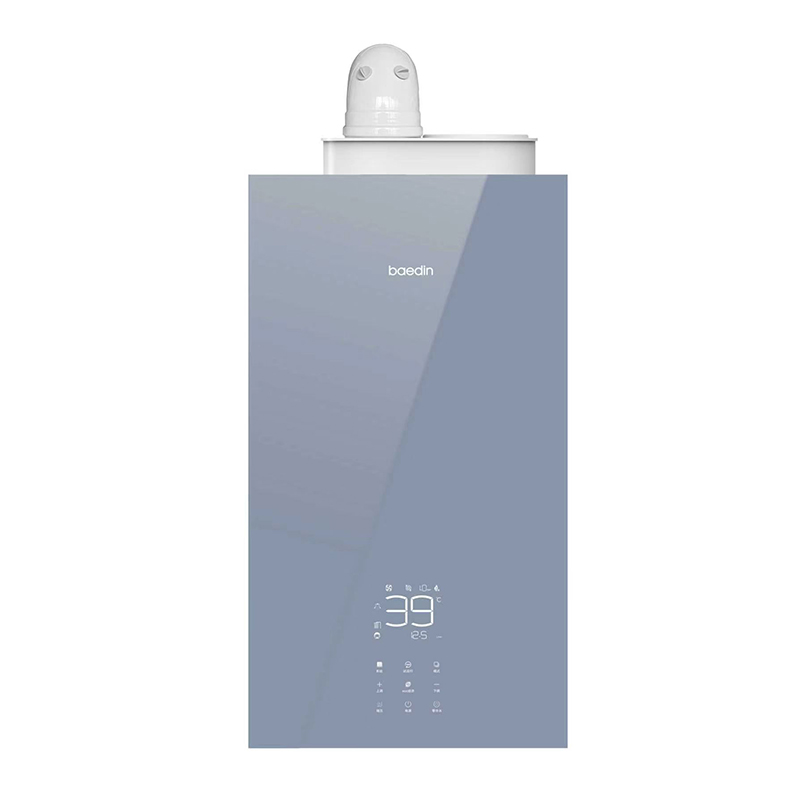
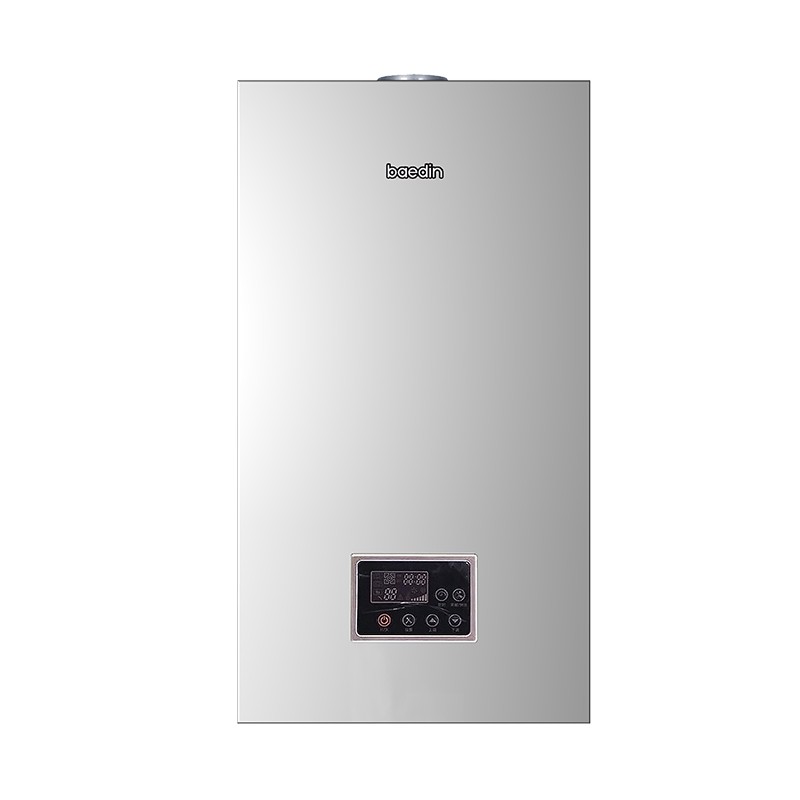
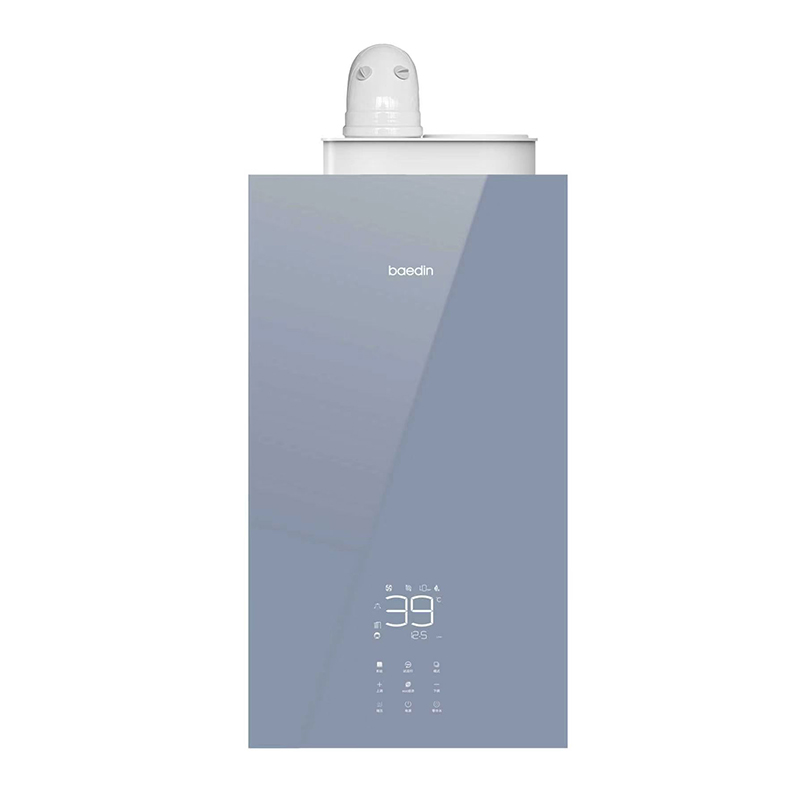
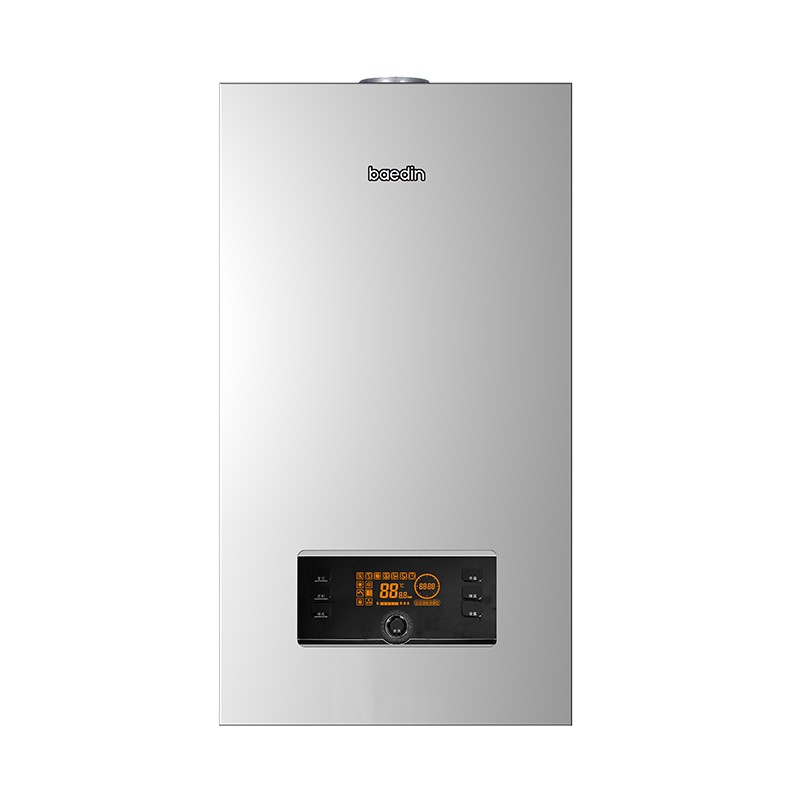
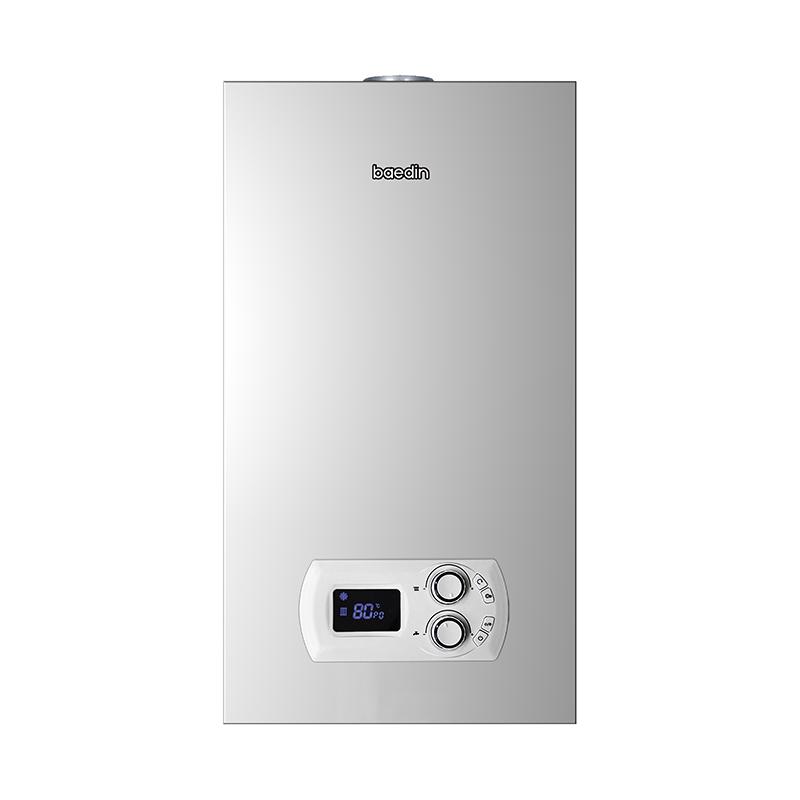
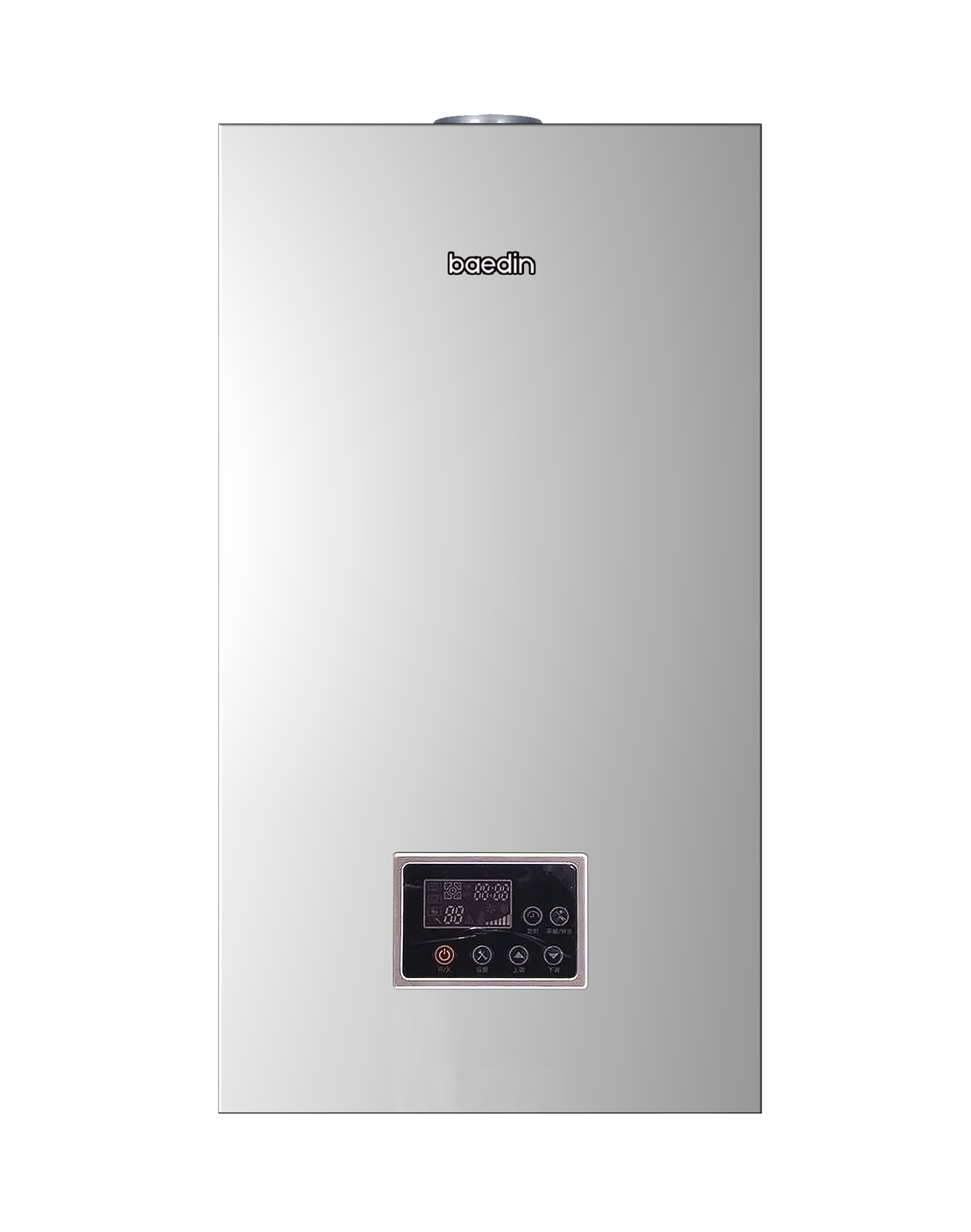
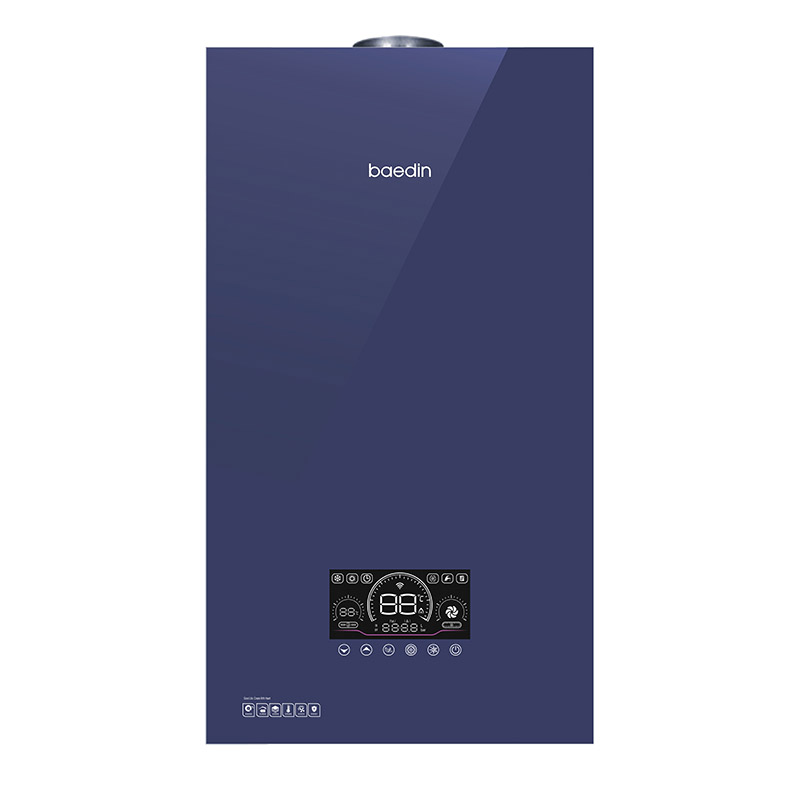
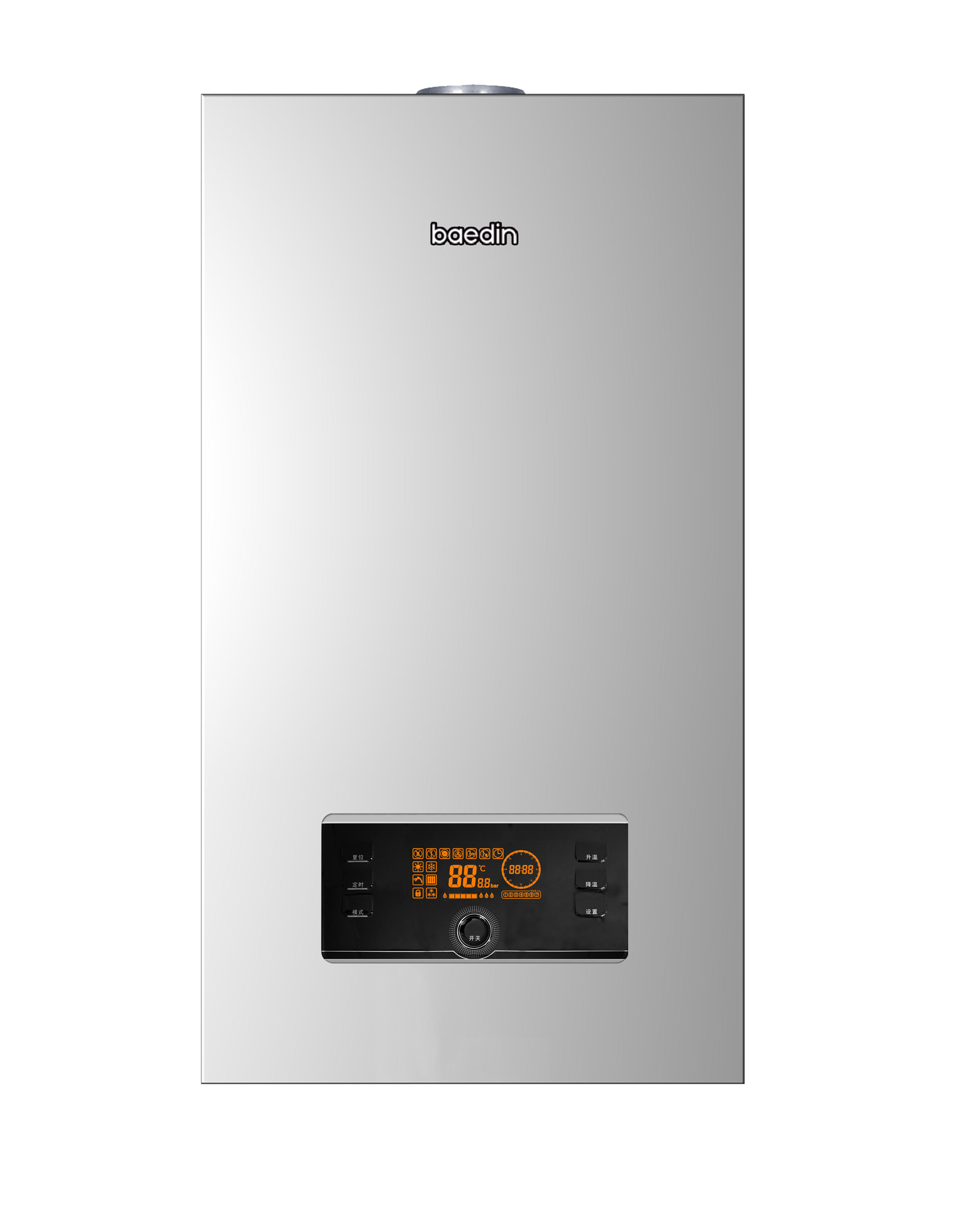
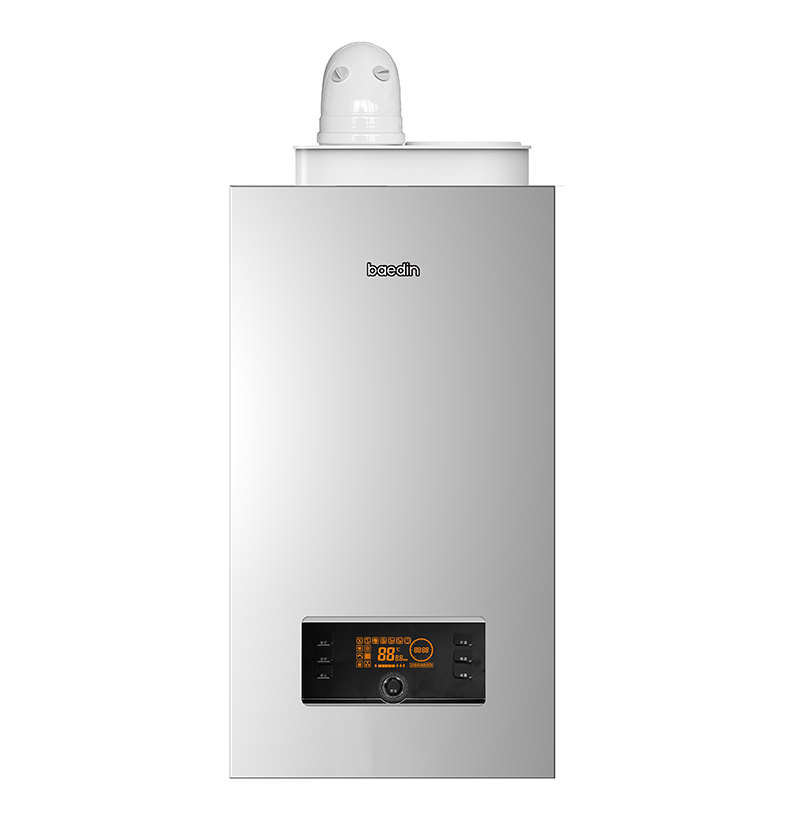
Residential renovation contractors, real estate supporting heating suppliers and villa engineering integrators often encounter two major bidding obstacles in global heating project tenders: traditional partial premix boilers fail municipal low-carbon tender emission limit standards, resulting in direct elimination from bidding shortlists; narrow power adjustment range leads to unstable hot water output when multiple water outlets are opened simultaneously, triggering high customer complaint rates after project handover. Most heating equipment suppliers only equip single circulation pumps on all models, unable to match long-distance complex pipeline layouts of large villas, requiring additional auxiliary pump procurement and raising overall project budget. Baedin Fully Premixed Condensing Gas Boiler adopts metal fiber surface full premix combustion technology with dual-stage heat recovery design, equipped gradient power spectrum and optional large-flow pump configuration, solving tender environmental compliance and multi-water-point hot water stability dual pain points for heating engineering bidders.
1. Metal fiber full premix surface combustion strictly meets tender low-nitrogen emission thresholds
Conventional split gas mixing burners form local high-temperature combustion zones, generating massive nitrogen oxides that exceed municipal green building bidding limit values, directly disqualifying contractors from tender competition. This boiler adopts imported metal fiber full premixed burner, fully mixing air and natural gas evenly before surface low-temperature combustion, fundamentally suppressing NOx generation reaction. Tested emission indicators fully meet Class 5 international low-nitrogen standards, complete third-party environmental detection reports can be provided as tender attachment materials, helping heating engineering teams stand out in low-carbon residential project bidding without supplementary emission testing costs.
2. Dual-layer heat exchange structure maintains ultra-high efficiency under variable load conditions
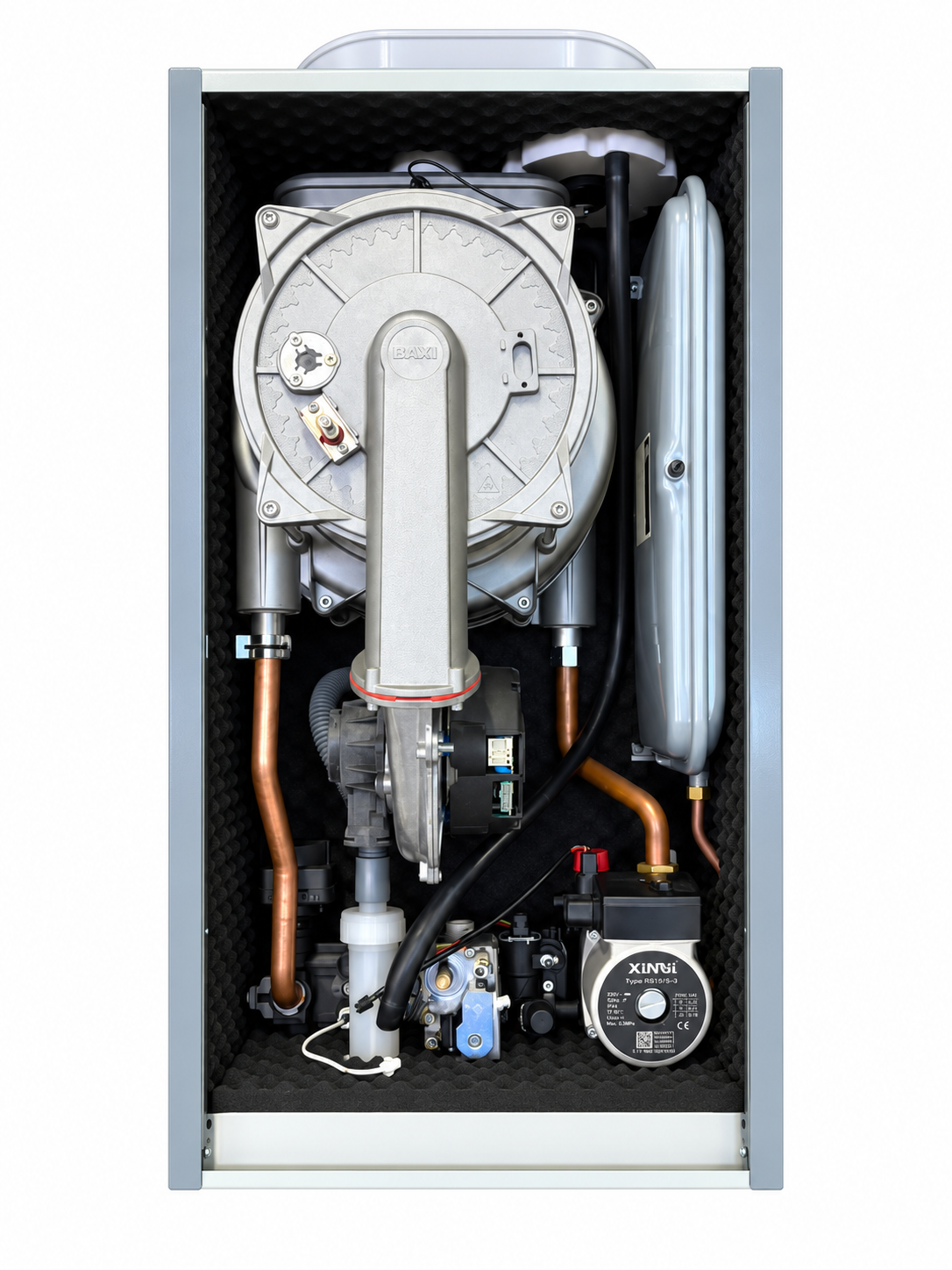
Single heat exchanger condensing equipment sees sharp efficiency drop under 30% low load in spring and autumn transition seasons, wasting gas energy during non-peak heating periods. The double-layer composite heat exchange system of this unit recovers both sensible heat and flue vapor latent heat synchronously, still keeping thermal efficiency above 105% under minimum operating power. For villas and multi-family apartments with intermittent heating demands, the stable high-efficiency operation in low-load seasons greatly reduces annual comprehensive gas expenditure, forming obvious cost advantage content for tender technical bidding documents.
3. Ultra-wide power modulation eliminates multi-water-point hot water temperature fluctuation defects
Boilers with narrow power adjustment range suffer severe temperature drop when kitchen, bathroom and balcony water taps are opened at the same time, bringing frequent after-sales maintenance workload to heating contractors. Built-in DC frequency conversion fan realizes stepless power adjustment between minimum and rated output, the system instantly increases combustion power according to real-time water flow demand. Hot water temperature fluctuation is controlled within 0.5°C even under multi-point simultaneous water use, greatly reducing post-construction customer complaint tickets and improving contractor market reputation for subsequent repeat orders.
4. Dual pump standard configuration for high-power models adapts long complex villa pipeline networks
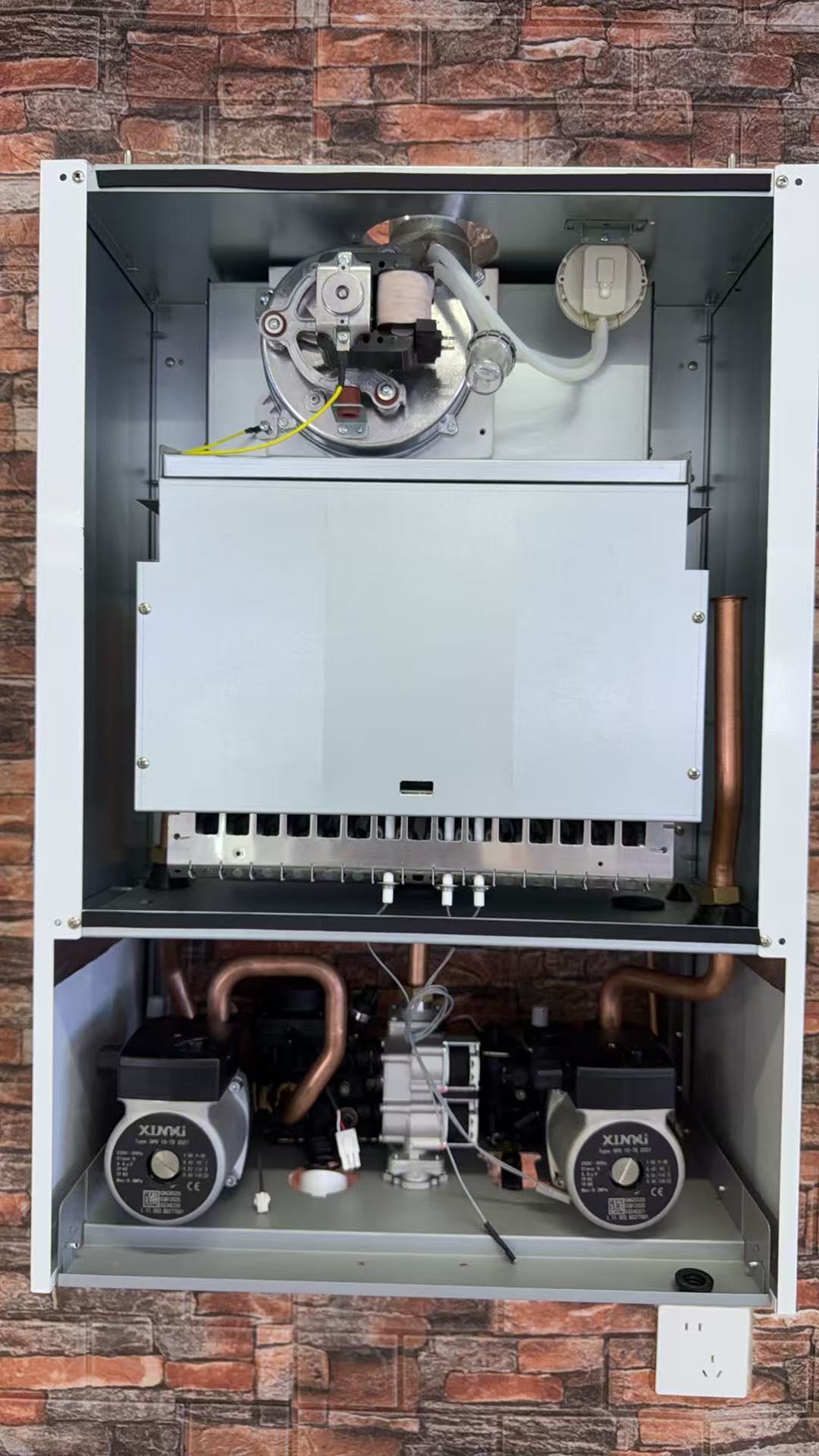
Single pump ordinary boilers generate obvious heat attenuation at pipeline terminals of multi-floor large villas, causing uneven indoor temperature distribution and owner dissatisfaction. All specifications above 32kW are factory pre-installed twin circulating pumps, boosting overall pipeline water delivery volume to solve long-distance loop flow shortage problems. Contractors do not need to separately purchase and install auxiliary circulating pumps for large villa projects, simplifying pipeline construction drawing design and cutting additional material procurement budget in the tender quotation list.
5. Complete imported core component system extends post-warranty stable operation cycle
Boilers assembled with domestic generic gas valves and heat exchangers are prone to scaling blockage and control failure after one to two years of use, increasing contractors’ free after-sales maintenance labor within the warranty period. The whole machine is equipped with Italian original heat exchanger, SIT gas regulating valve and imported frequency conversion fan, with anti-scaling memory alloy water channel built inside. The corrosion-resistant heat exchange structure maintains stable heat exchange efficiency for long-term continuous operation, lowering the frequency of free on-site maintenance for heating engineering contractors and optimizing project after-sales cost control.
6. Multi-scene heating terminal compatibility simplifies tender scheme design work
Many heating boilers can only match single heating terminal, forcing contractors to prepare two different equipment quotation schemes for radiator and underfloor heating mixed tender projects. This full premix condensing unit perfectly adapts both high-temperature radiator pipelines and low-temperature floor heating loops, and supports matching external hot water storage tanks for large hot water demand scenarios. One boiler product can form unified technical solutions for all residential heating tender projects, shortening tender document compilation time and reducing scheme design labor input for engineering teams.
Related News
- How Does a Fully Premixed Condensing Gas Boiler Achieve Over 100% Thermal Efficiency?
- What are the advantages and disadvantages of heating with a gas wall-hung boiler?
- Dutch Multi-Fuel Boiler Prototype Opens New Options for the Global Heating Industry
- Variable Frequency Stage Combustion Gas Boiler: Advanced Energy-Saving Heating Technology
- A+++ High-Efficiency Gas Combi Boiler
- Focus on High‑efficiency Heating: Baedin Wall‑hung Boilers Shine at International HVAC Exhibition
Leave me a message