Where can EPC contractors source condensing boilers that meet EU ErP low-carbon standards & cut long-term gas overheads?
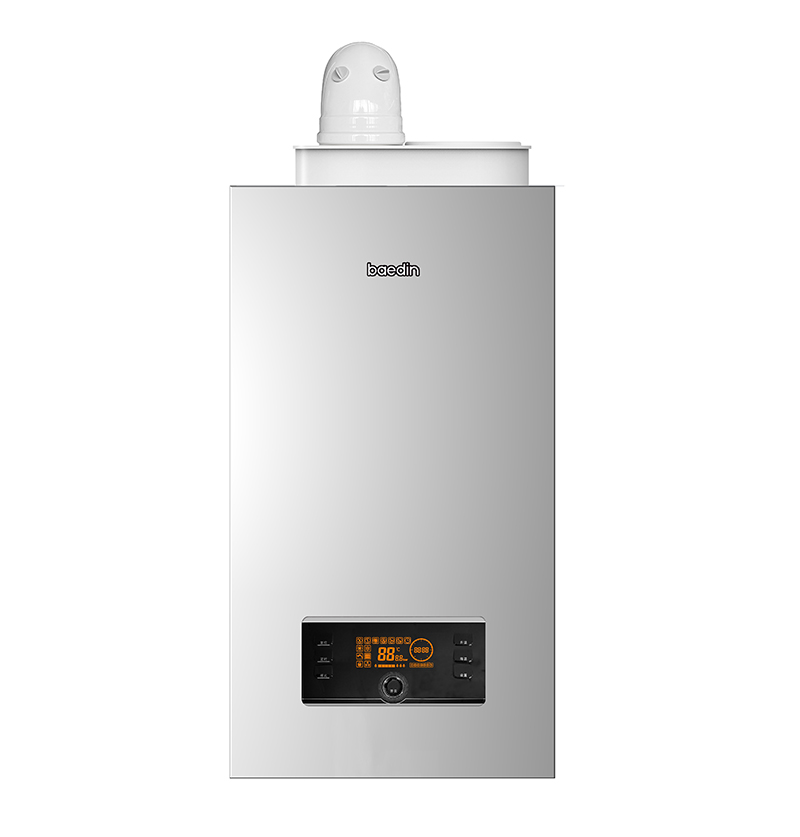
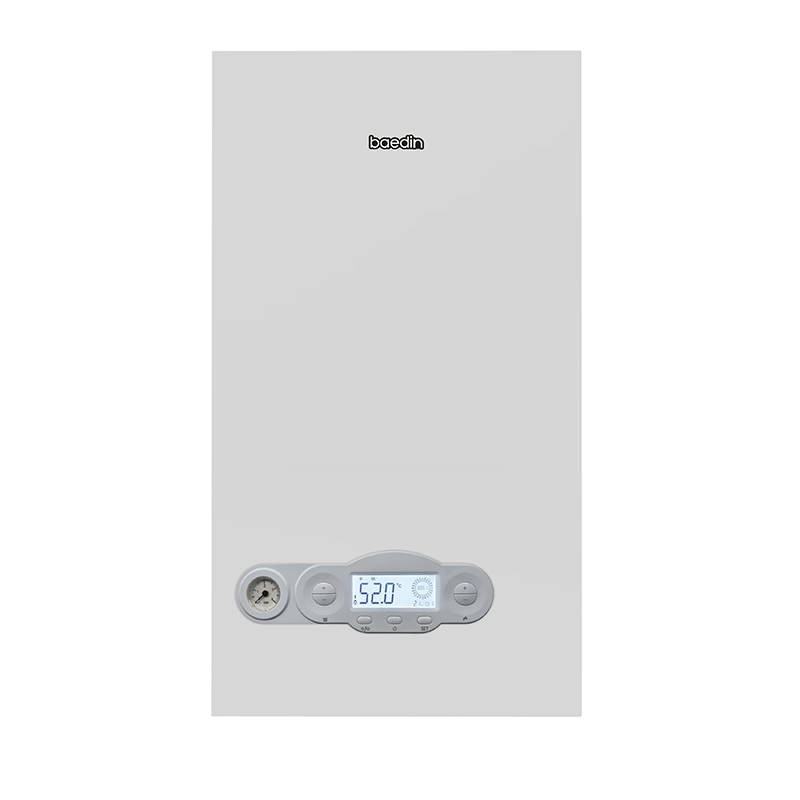
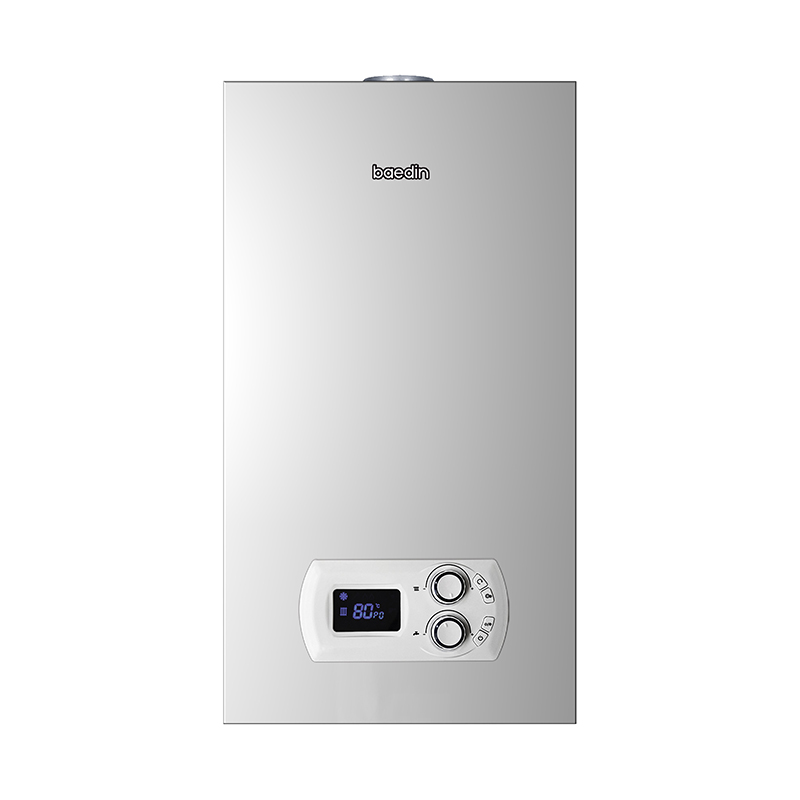
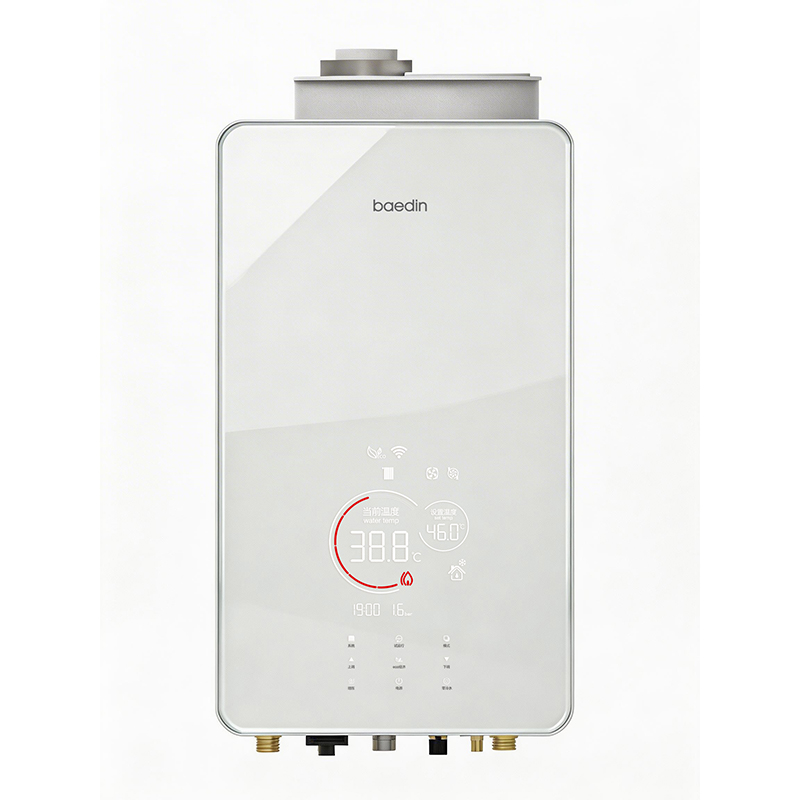
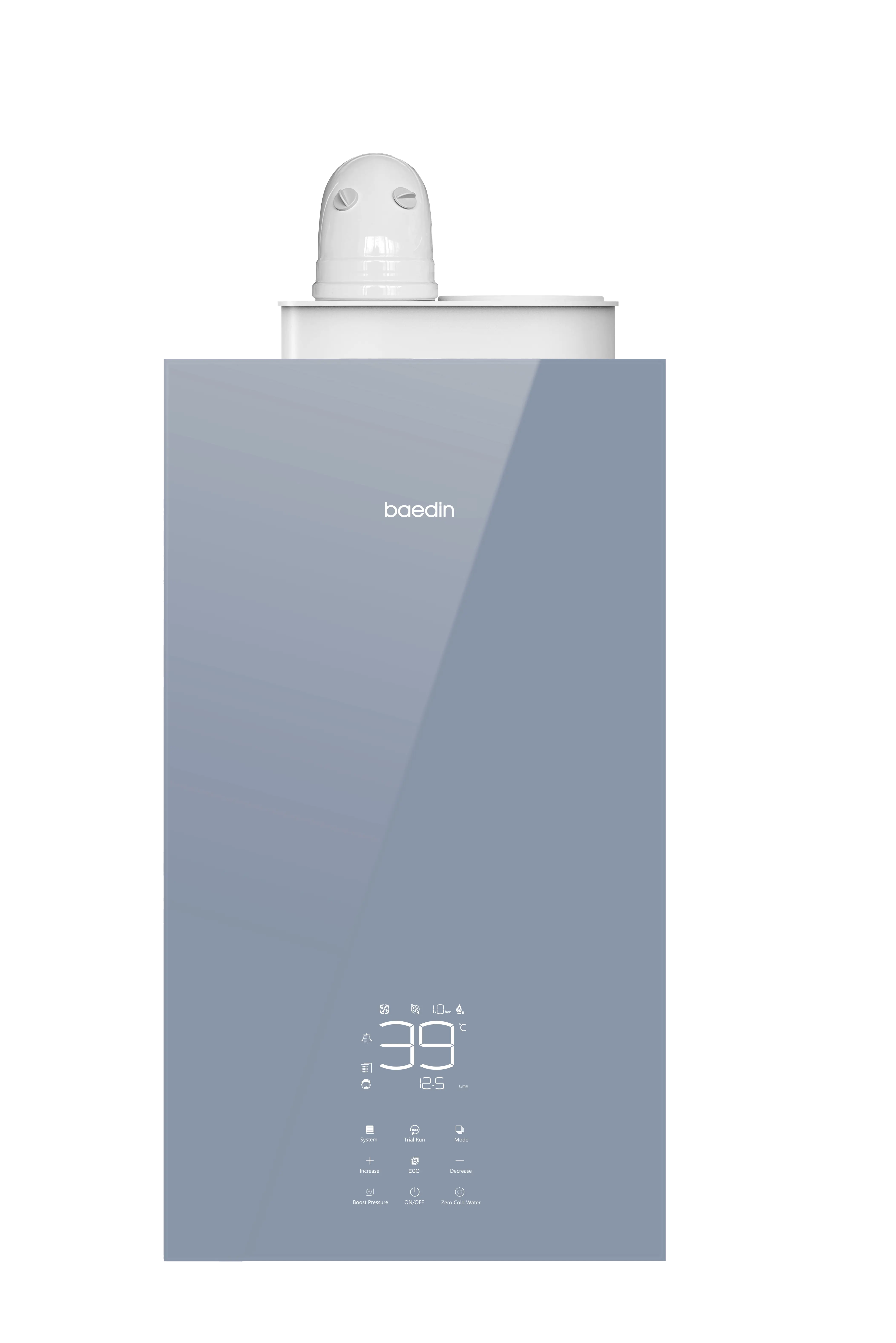
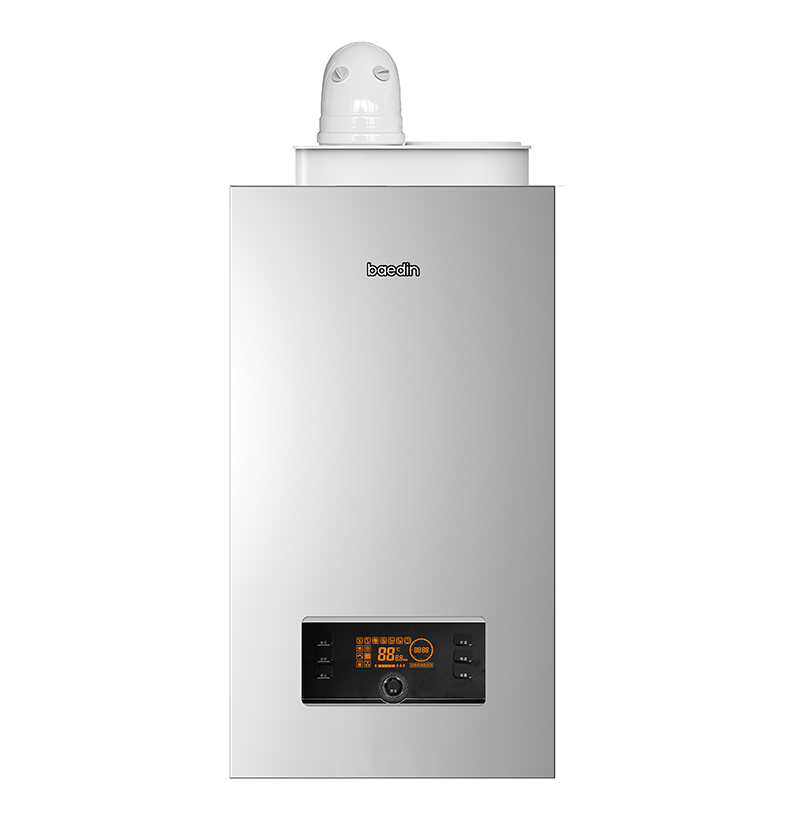
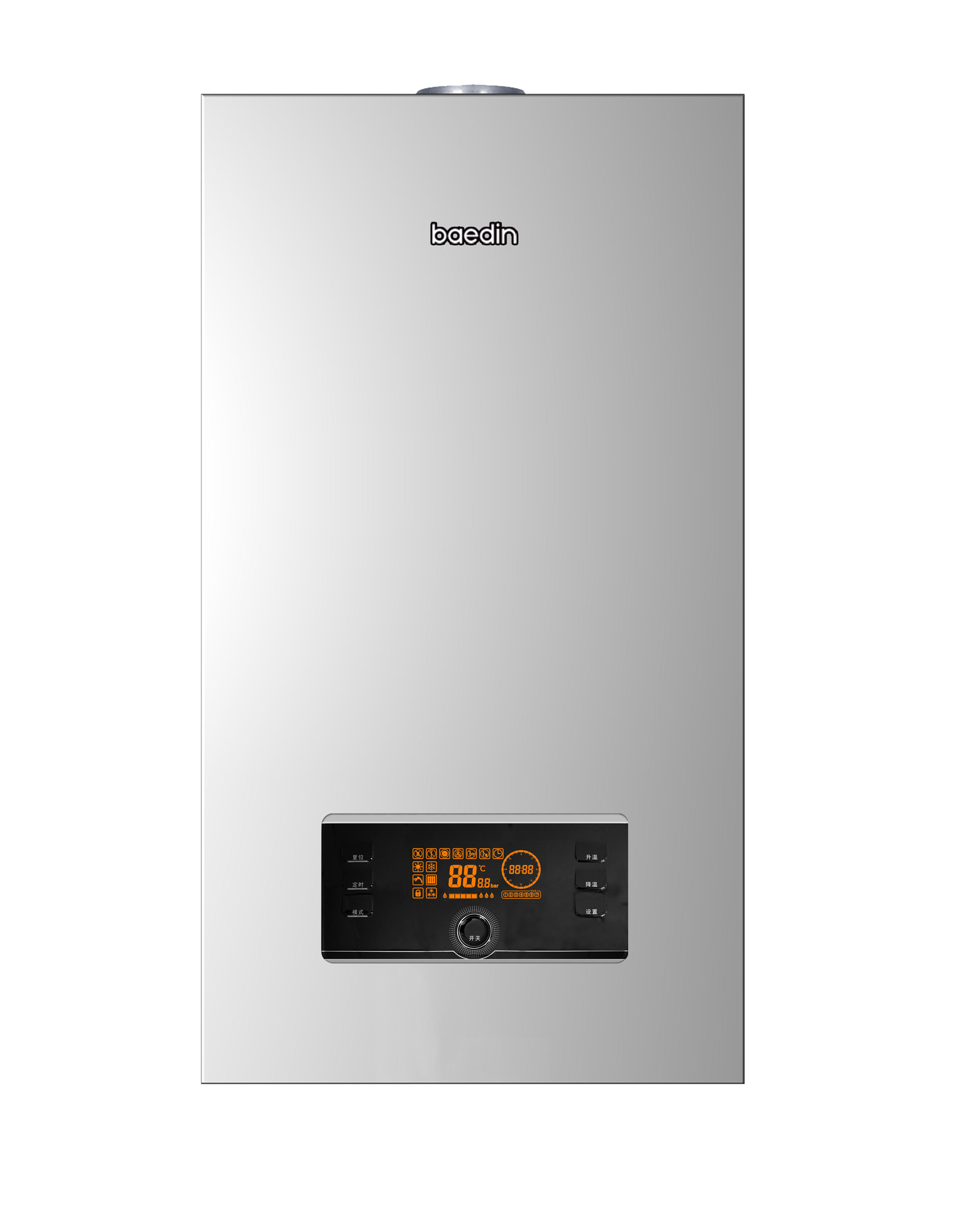
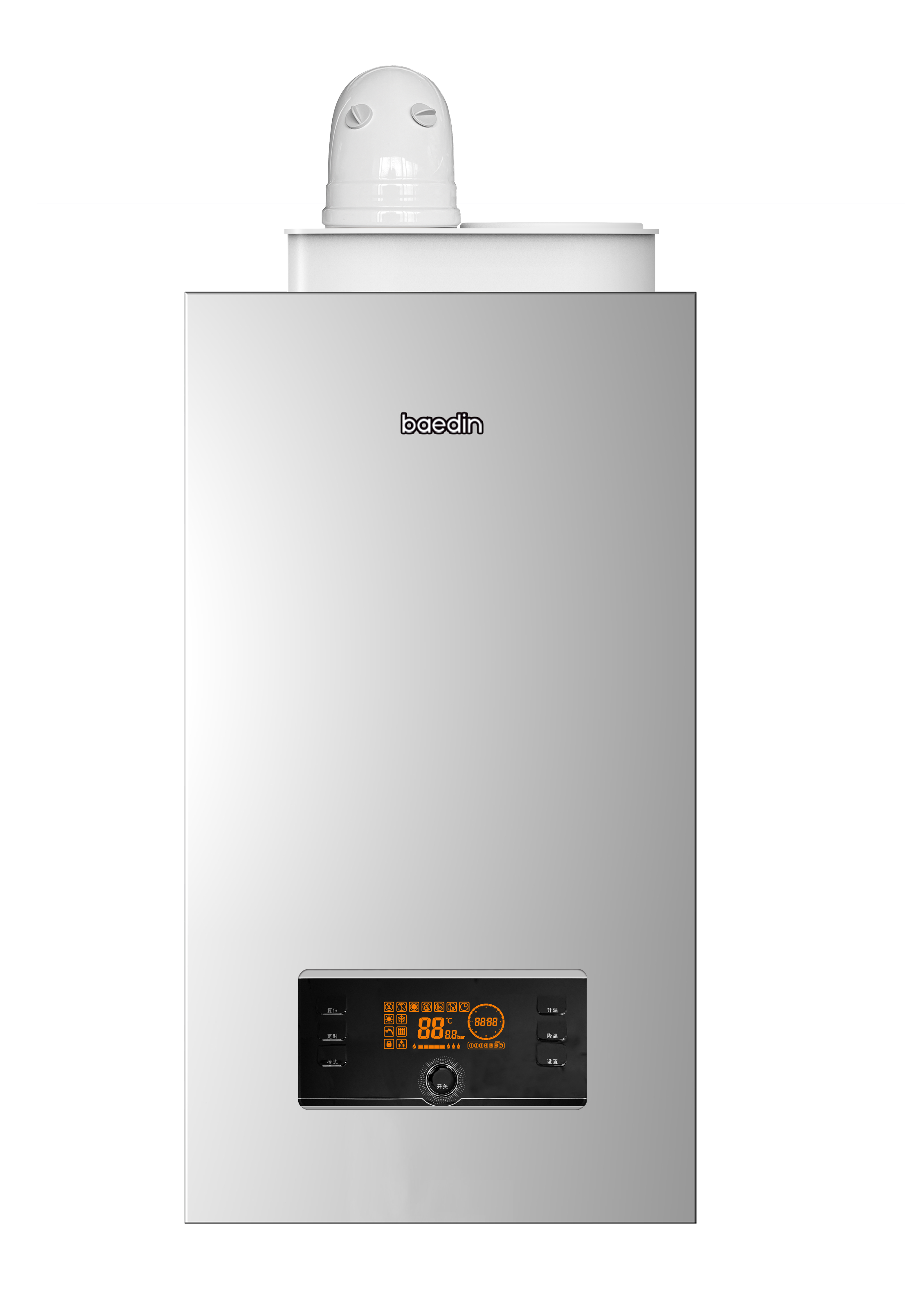
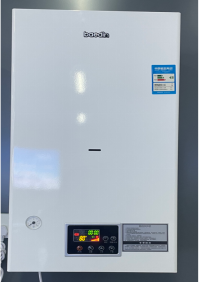
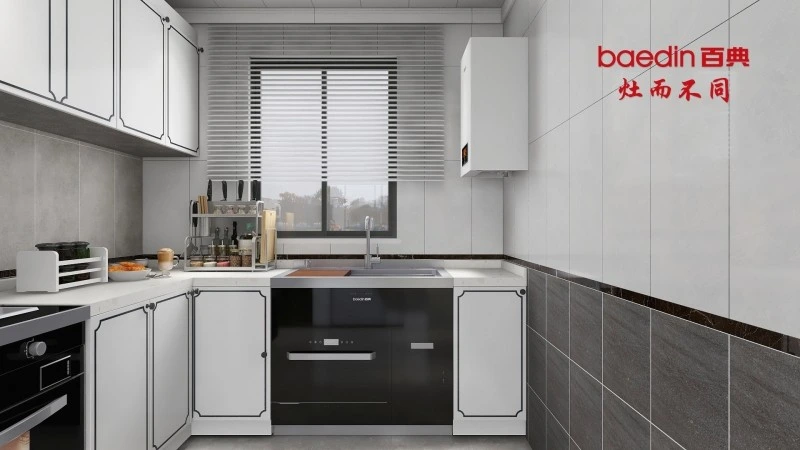
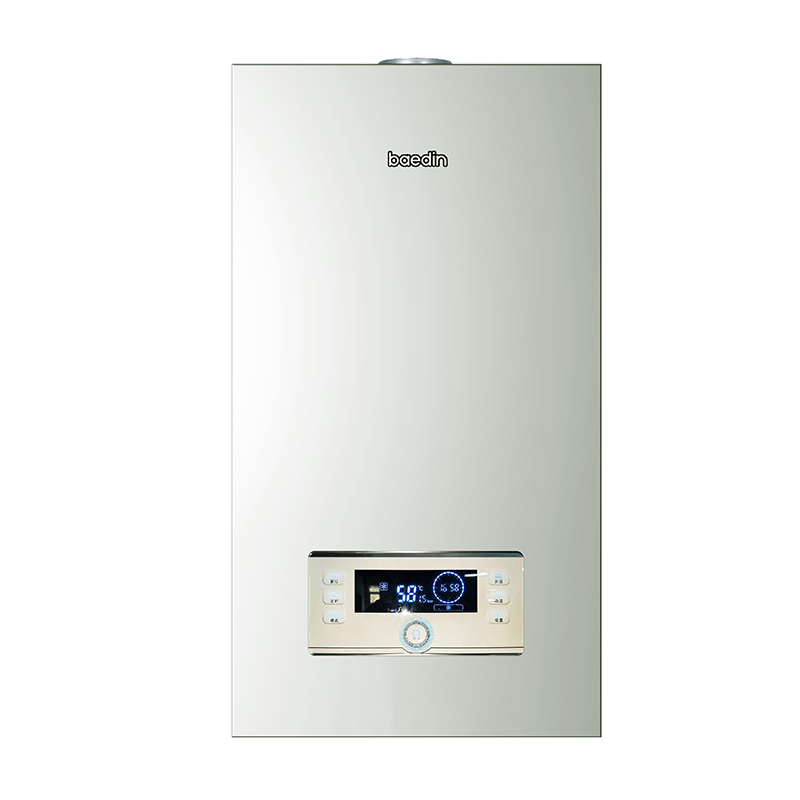
Residential construction developers, commercial heating EPC firms and villa renovation suppliers face two critical export and operation bottlenecks when sourcing conventional wall-hung heating units: outdated non-condensing gas boilers fail strict EU ErP NOx and seasonal efficiency thresholds, resulting in customs interception and project acceptance delays; low single-pass thermal recovery design leads to sustained high monthly gas bills for multi-unit apartment and hotel projects, squeezing long-term operational profit margins. Most boiler manufacturers only offer narrow power segments and simple fixed-speed fan structures, unable to match mixed radiator & underfloor heating dual pipeline layouts without extra auxiliary equipment investment. Baedin atmospheric condensing gas boiler adopts full premixed low-nitrogen combustion and flue latent heat recovery framework, covering full 20–40kW power spectrum with imported core thermal components, resolving cross-border compliance risks and building heating energy expenditure pain points for global heating engineering purchasers.
1. Flue latent heat recovery architecture breaks 100% thermal efficiency ceiling to slash annual fuel spending
Traditional single-circuit gas boilers only utilize sensible heat from fuel combustion, discarding massive water vapor latent heat within exhaust gas and limiting peak efficiency below 94%. This condensing unit redesigns the double-layer heat exchange channel to fully capture condensed flue vapor heat, pushing maximum comprehensive efficiency up to 109.8%. When matched with low-temperature underfloor heating pipelines that keep return water below 50°C dew point, the system cuts overall gas consumption by nearly 30% compared with standard non-condensing models. For long-cycle operation venues such as apartment complexes and boutique hotels, the accumulated annual gas cost savings offset equipment premium investment within two heating seasons.
2. Full premixed low-nitrogen combustion satisfies EU ErP Class 6 emission mandatory rules
Ordinary partial-mix gas burners generate excessive nitrogen oxide emissions, failing EU ErP Ecodesign NOx limit standards and banning product circulation within European market zones. The integrated ceramic fiber premixed burner evenly mixes air and natural gas before ignition, suppressing high-temperature nitrogen side reactions and cutting NOx output by over 80% while CO emissions drop by 90%. Complete third-party emission test reports are attached per shipment, enabling EPC contractors to pass local environmental project audits and EU customs commodity inspections without supplementary re-testing expenses.
3. Wide-range DC frequency modulation avoids frequent startup wear in transitional seasons
Fixed-speed single-stage boilers repeatedly start and stop during spring and autumn mild weather, accelerating fan and gas valve aging and raising idle gas waste. Built-in DC variable frequency fan module adjusts combustion output dynamically between minimum and rated power, forming wide modulation ratio operation without frequent on-off cycling. Even under low-load mild climate heating demand, the unit maintains stable low-power continuous operation, extending core component service life and reducing seasonal idle fuel consumption simultaneously.
4. Dual pump high-power configuration adapts large villa & multi-unit complex long pipeline loops
Small single-circulation pump boilers suffer insufficient water flow for long-distance heating pipelines of large villas and multi-story residential buildings, creating uneven room temperature distribution. All 32kW and above specifications come factory-equipped with twin circulating pumps, boosting overall water delivery volume to eliminate heat attenuation at pipeline terminals. One unified product series covers small single-family homes, mid-size villas and multi-unit residential heating projects, simplifying equipment model selection for construction procurement teams without customized pump add-on purchases.
5. Imported core heat exchange parts stabilize long-cycle continuous operation reliability
Boilers assembled with domestic generic heat exchangers develop scale blockage and heat transfer attenuation after 1–2 years of continuous use, triggering uneven hot water temperature and frequent maintenance visits. This condensing boiler deploys Italian original primary heat exchanger and SIT gas control valve as standard configurations, paired with alloy anti-scale water channel assemblies. The corrosion-resistant high-temperature heat exchange structure maintains consistent thermal performance through years of uninterrupted winter operation, cutting property management’s annual equipment maintenance and replacement expenditure drastically.
6. Dual heating/hot water integrated design shortens construction pipeline transformation cycles
Separate heating furnace and domestic hot water tank equipment require two independent pipeline systems, increasing construction material input and on-site installation labor hours. This all-in-one condensing unit simultaneously supplies constant-temperature space heating and instant domestic hot water, delivering stable hot water within 17±2 seconds with temperature fluctuation controlled under 0.5°C. EPC teams complete pipeline laying in a single construction phase without separate hot water tank installation procedures, shortening overall project delivery timeline and lowering on-site labor costs for residential renovation projects.
Related News
- How Does a Fully Premixed Condensing Gas Boiler Achieve Over 100% Thermal Efficiency?
- What are the advantages and disadvantages of heating with a gas wall-hung boiler?
- Dutch Multi-Fuel Boiler Prototype Opens New Options for the Global Heating Industry
- Variable Frequency Stage Combustion Gas Boiler: Advanced Energy-Saving Heating Technology
- A+++ High-Efficiency Gas Combi Boiler
- Focus on High‑efficiency Heating: Baedin Wall‑hung Boilers Shine at International HVAC Exhibition
Leave me a message