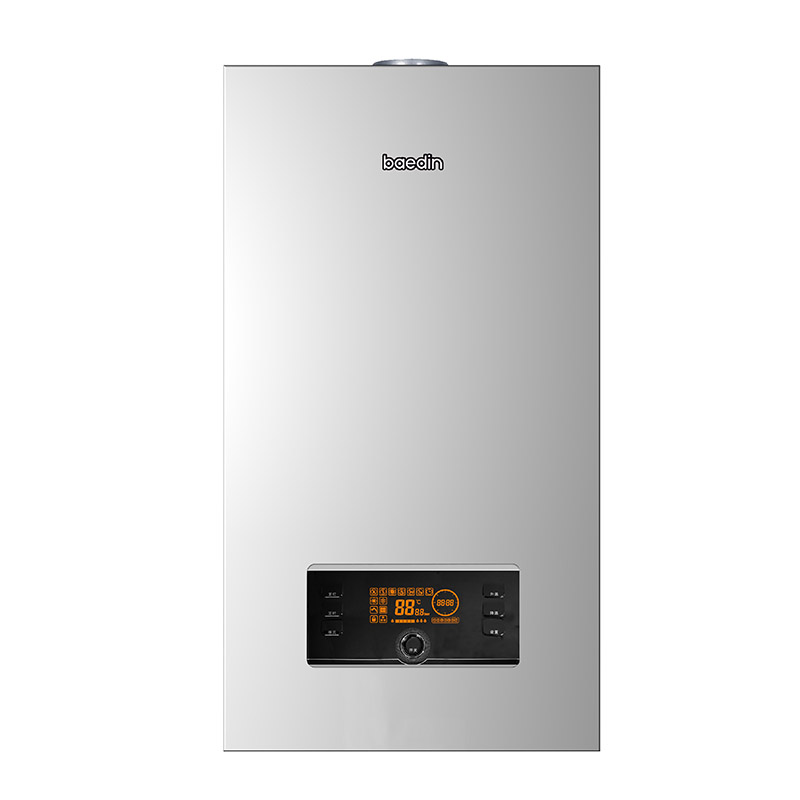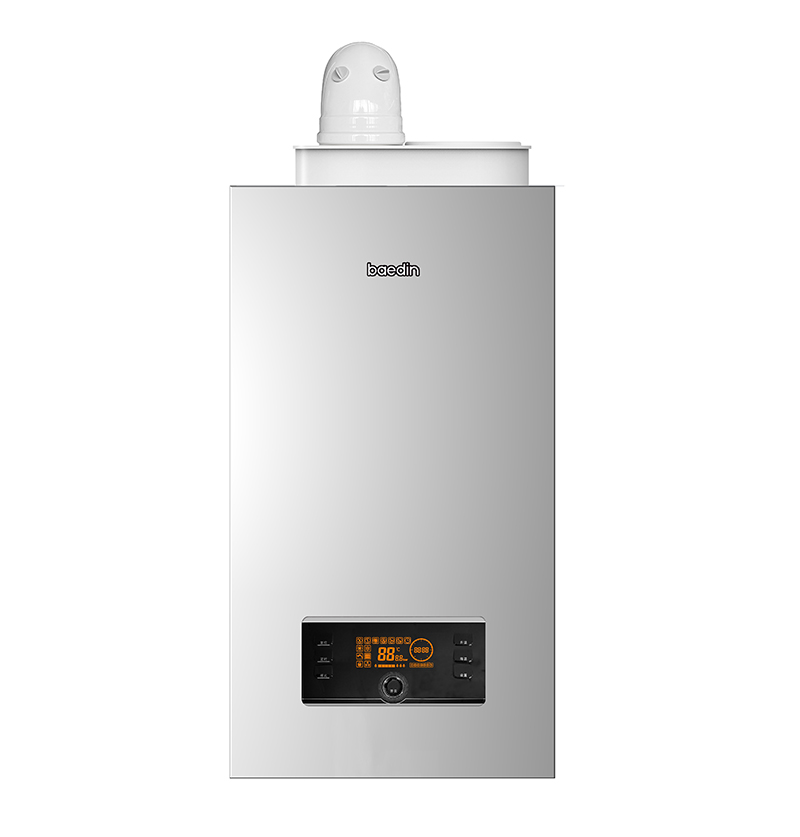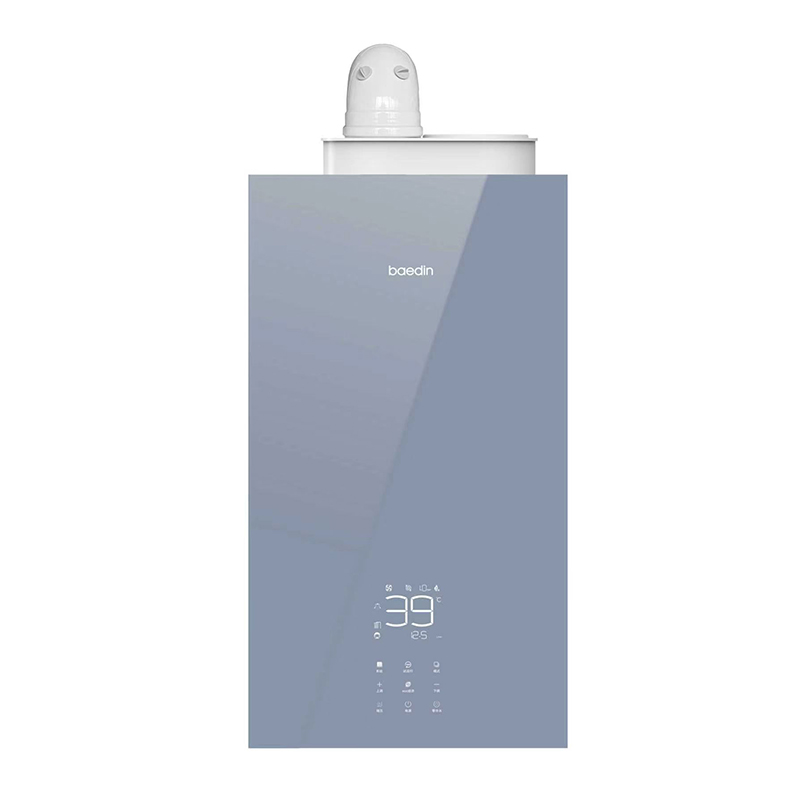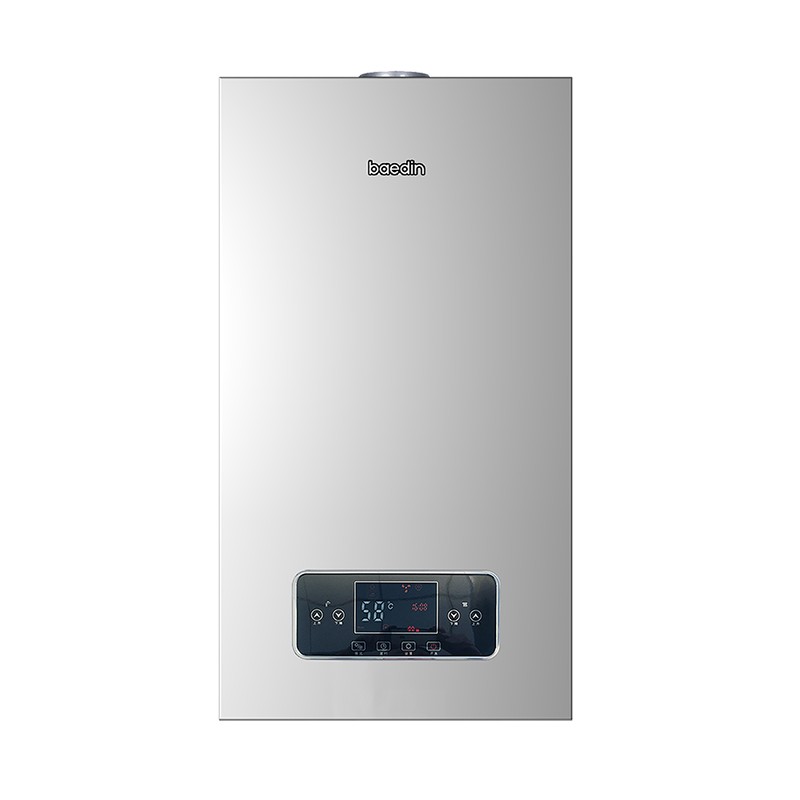
Wall-Hung Boiler Industry Accelerates Its Transition Toward High-Efficiency Condensing and Smart Control Technologies
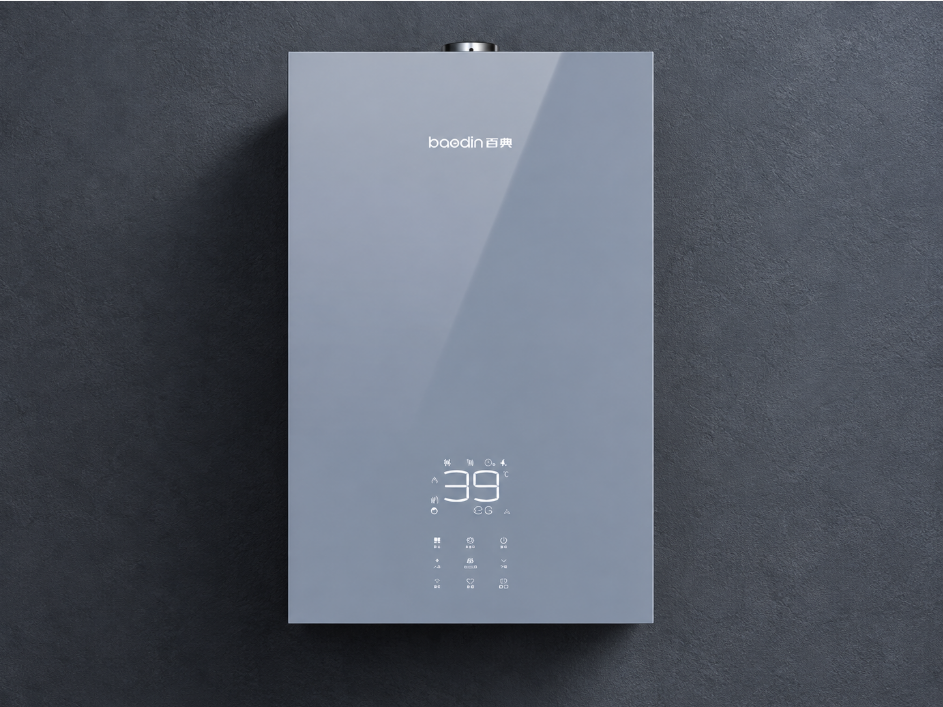
As global energy-efficiency requirements become increasingly stringent, consumers are also paying more attention to heating comfort, domestic hot water stability, and equipment reliability. These changes are driving a new wave of technological development in the wall-hung gas boiler industry.
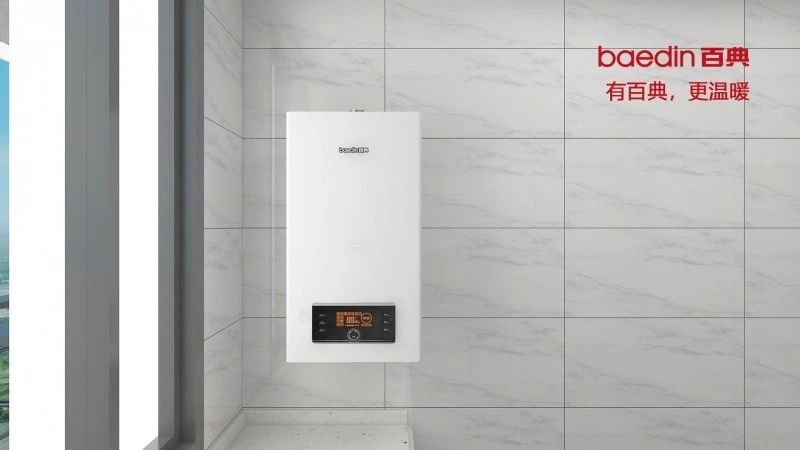
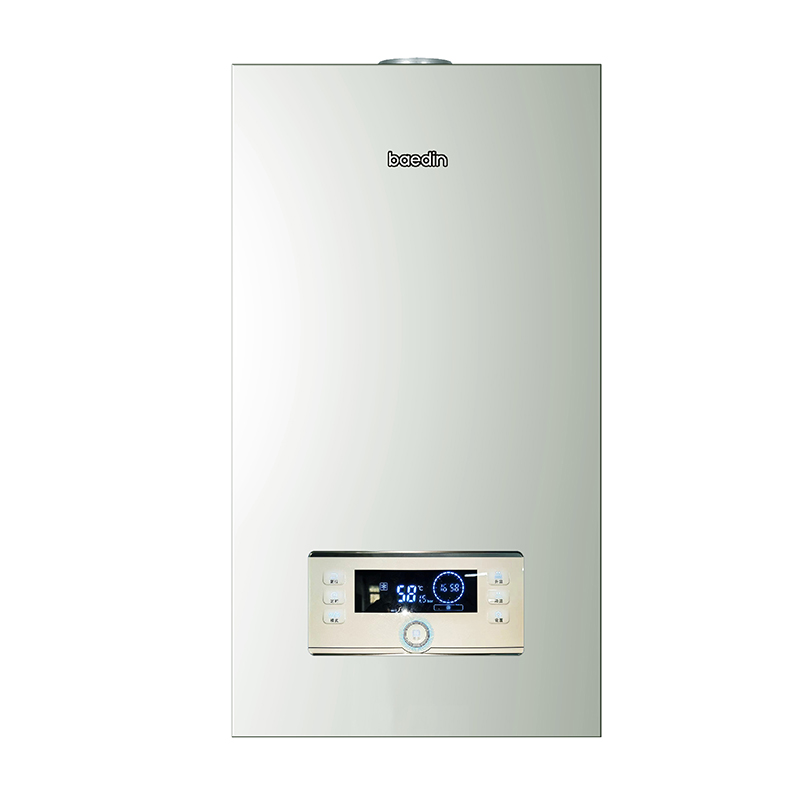
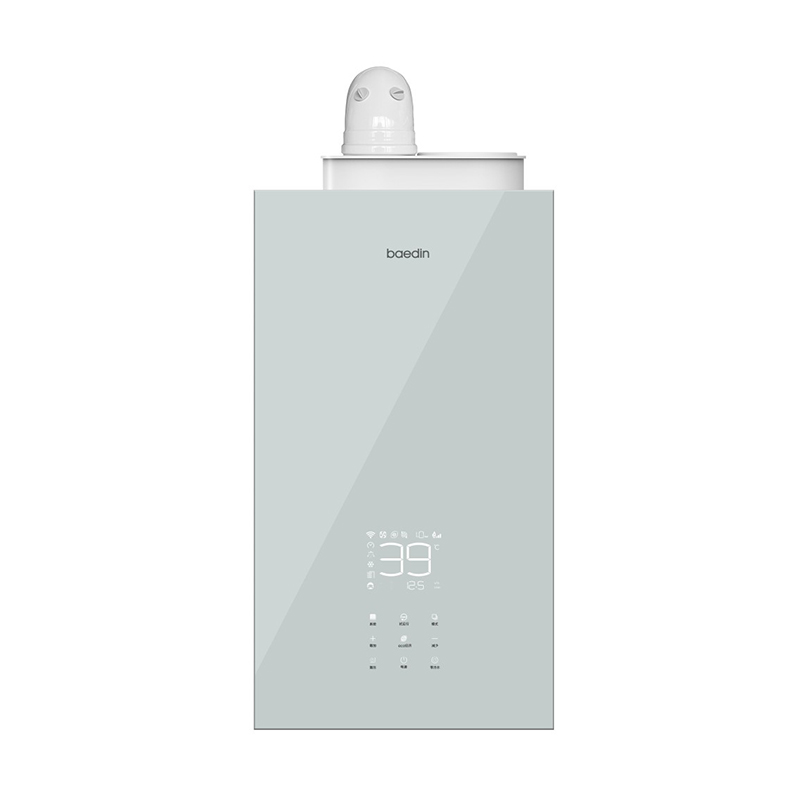
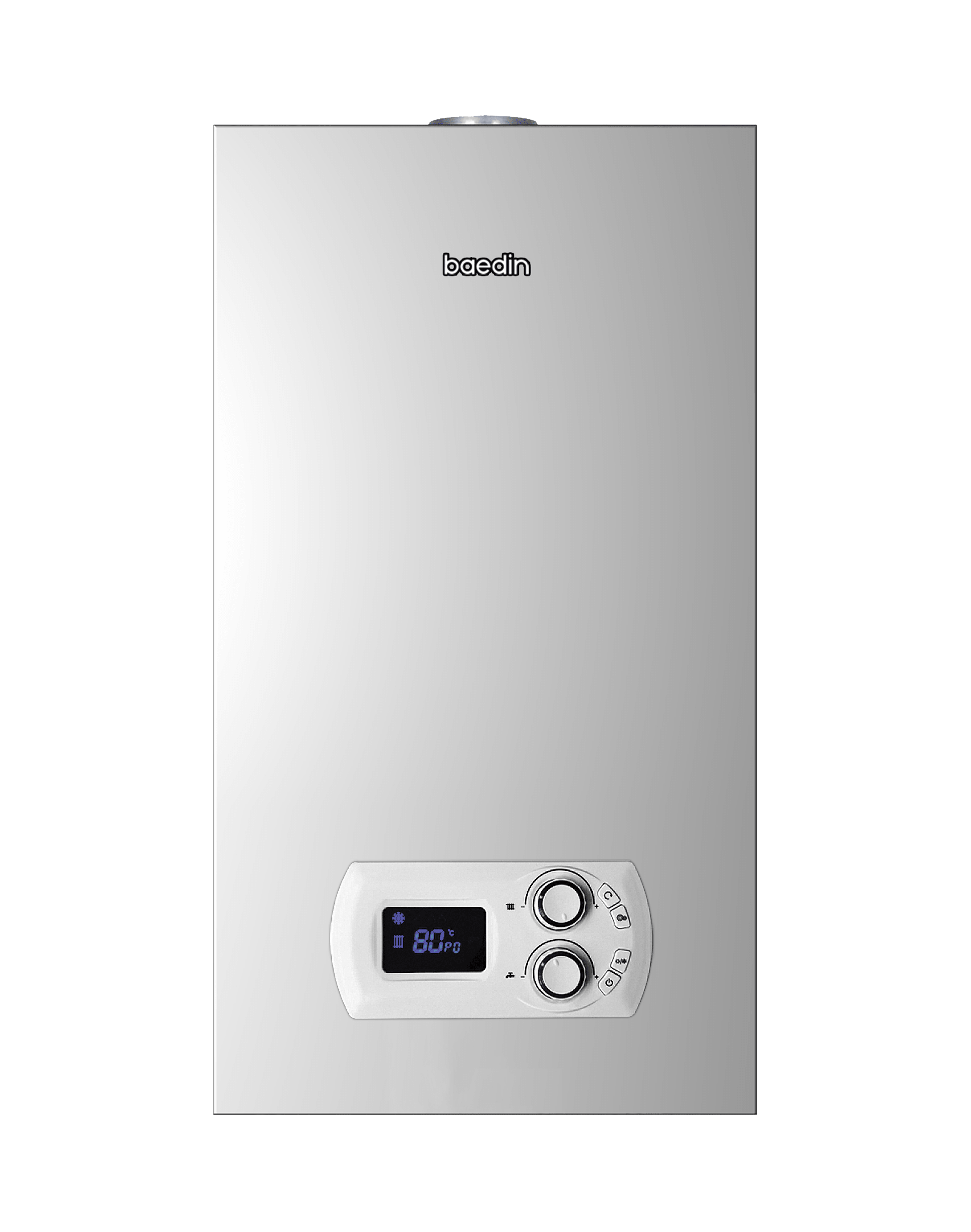
Compared with conventional models, modern wall-hung boilers equipped with fully premixed combustion, condensing heat recovery, wide modulation ranges, and intelligent controls are becoming increasingly important for residential heating, villa hot water systems, and public-building energy renovation projects.
Industry competition is no longer based solely on rated output and purchase price. Distributors, engineering contractors, and end users now evaluate products according to thermal efficiency, modulation range, emissions, operating costs, reliability, and compliance with local regulations. A boiler’s ability to operate reliably under different climates, gas conditions, and heating loads has become a major purchasing consideration.
Fully Premixed Condensing Technology Improves Energy Efficiency
Fully premixed condensing technology is one of the most important developments in today’s high-efficiency wall-hung boiler market.
The system precisely controls the ratio of gas to air according to the actual heating demand, helping the boiler achieve more complete and stable combustion. At the same time, the condensing heat exchanger recovers latent heat from water vapor in the flue gas, reducing the amount of energy that would otherwise be discharged through the exhaust.
When efficiency is calculated using the lower heating value of natural gas, some condensing boilers can achieve a rated thermal efficiency exceeding 100%. This does not mean that the boiler produces additional energy. Instead, it indicates that the system recovers latent heat that conventional non-condensing boilers normally lose through the flue gas.
This technology can reduce fuel consumption and emissions, particularly when the boiler operates with a sufficiently low return-water temperature to maintain effective condensation.
A Wide Modulation Range Supports Stable Heating
In addition to thermal efficiency, the modulation range has become an important indicator of wall-hung boiler performance.
The heating demand of a building changes according to outdoor temperature, room occupancy, insulation quality, and user habits. If a boiler’s minimum output is too high, it may repeatedly switch on and off under low-load conditions. Frequent cycling can cause indoor temperature fluctuations, increase component wear, and reduce overall efficiency.
A boiler with a wide modulation range can continue operating steadily at a lower output. This helps maintain a more consistent indoor temperature while reducing unnecessary starts and stops.
Wide modulation is also valuable in villas and multi-zone heating systems, where heating demand may vary significantly between different rooms and operating periods. When combined with precise domestic hot water control, it can also reduce sudden changes in water temperature.
Smart Controls Improve Heating and Hot Water Comfort
The use of DC variable-speed fans, electronic gas valves, sensors, and intelligent control algorithms has further improved boiler control accuracy.
A modern system can adjust fan speed and gas supply in real time according to the supply-water temperature, return-water temperature, domestic hot water flow rate, target temperature, and combustion conditions.
When a user opens a hot water tap, the boiler can quickly switch to domestic hot water mode. If the water flow changes, the control system can adjust the heat output to maintain a more stable outlet temperature.
Smart control technology can also support weather compensation, room thermostats, multi-zone controls, and remote monitoring. These functions allow the boiler to respond more accurately to actual household demand rather than operating continuously at a fixed output.
Compliance and Lifecycle Costs Influence Global Purchasing
For international engineering projects, regulatory compliance and long-term operating costs are becoming as important as the initial purchase price.
Wall-hung boilers entering the European Union and other regulated markets may need to comply with CE certification requirements, ErP energy-efficiency regulations, and applicable gas appliance standards.
EPC contractors, heating companies, and distributors therefore evaluate more than the equipment price. They also consider expected gas consumption, maintenance requirements, spare-parts availability, technical documentation, and after-sales response times.
Products supported by complete certification documents, stable quality control, and localized technical services are generally better positioned to enter overseas distribution networks and engineering projects.
System Design Determines Actual Efficiency
Public-building renovation projects often pay particular attention to hidden long-term operating losses.
Hydraulic imbalance, scale accumulation, high return-water temperatures, poor control strategies, and frequent boiler cycling can all reduce the actual performance of a heating system. Even if a boiler achieves high efficiency under laboratory conditions, the expected energy savings may not be realized if the system is poorly designed, commissioned, or maintained.
For this reason, high-efficiency wall-hung boilers should be combined with appropriate pipework, water treatment, temperature controls, hydraulic balancing, and system management.
A condensing boiler performs most effectively when the return-water temperature remains low enough for the water vapor in the flue gas to condense. Correct system design is therefore essential for achieving long-term energy savings.
Leakage, Ignition Failure, and Freeze Protection Remain Important
Water leakage, ignition failure, and winter freezing are still among the most common concerns for wall-hung boiler users.
Leakage may be associated with pipe connections, sealing components, system pressure, the expansion vessel, the pressure relief valve, or heat-exchange components. Ignition failure may involve the gas supply, ignition electrode, flame sensor, air-pressure system, flue, or electronic control board.
When a fault occurs, users should first check the system pressure and displayed fault code. Gas and combustion components should not be dismantled without professional knowledge. Inspection and repair should be carried out by qualified technicians.
Built-in freeze protection also depends on suitable operating conditions. In most cases, the boiler must remain connected to electricity and gas, with normal system pressure, for the automatic freeze-protection program to function.
For properties that remain unused during extremely cold weather, additional measures may be necessary. These can include draining the system, using an approved antifreeze solution, or improving pipe insulation according to the manufacturer’s instructions.
Regularly cleaning filters, inspecting the flue, maintaining the combustion system, and checking expansion-vessel pressure can help reduce failures and extend the boiler’s service life.
Overseas Buyers Pay Greater Attention to Manufacturing Capability
When selecting Chinese wall-hung boiler manufacturers, global distributors are increasingly evaluating research and development capabilities, quality management, certification systems, and OEM or ODM services.
Manufacturers that can provide fully premixed condensing technology, complete test reports, localized control solutions, stable spare-parts support, and technical training are more likely to establish long-term international partnerships.
Buyers also expect manufacturers to adapt products to different gas types, voltage standards, climates, installation practices, and regulatory requirements. Flexible product development and reliable technical support can therefore be as important as production capacity.
The Industry Is Moving Toward Integrated Energy Solutions
The wall-hung boiler industry is gradually evolving from conventional heating equipment toward efficient, low-emission, and intelligent household energy systems.
Future competition will not depend on one technical specification alone. It will increasingly be determined by the combined performance of combustion technology, heat exchange, intelligent control, installation design, product compliance, and after-sales service.
Manufacturers that successfully balance efficiency, comfort, reliability, and local market requirements will be better positioned to meet the changing demands of the global residential heating and domestic hot water market.
Related News
- How Does a Fully Premixed Condensing Gas Boiler Achieve Over 100% Thermal Efficiency?
- Secondary-Heat-Exchange Condensing Combi Boilers
- What are the advantages of Baidian wall-hung boilers?
- How to Prevent and Solve Wall Hung Boiler Water Leakage Problems
- How to Maintain Wall Hung Gas Boiler Scientifically and Extend Service Life?
- Looking for Reliable Wall‑Hung Gas Boiler OEM & ODM Supplier? Baedin Factory Delivers High‑Efficiency Condensing Boilers for Global Heating Market
Leave me a message